News:
|
|---|

|
News:
|
|---|
|
|
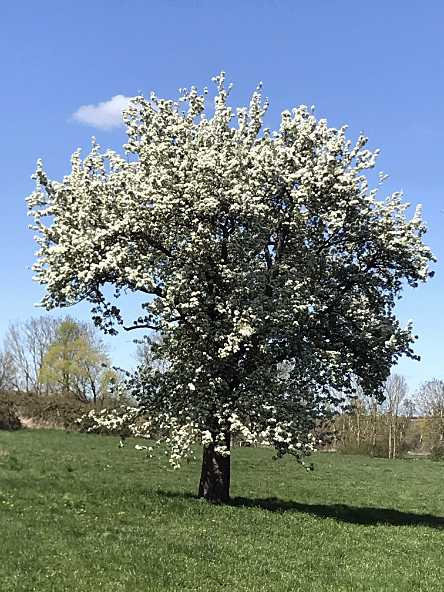
The photo of an old pear tree in bloom from an online property advertisement and the association with the first lines of Theodor Fontane’s famous poem, “Herr von Ribbeck zu Ribbeck im Havelland, ein Birnbaum in seinem Garten stand” (“By Sir Ribbeck of Ribbeck in Havelland, a pear tree in his garden did stand”), prompted us to personally inspect the 17 hectares (170,000 m²) of meadowland with the old pear tree that was up for sale.
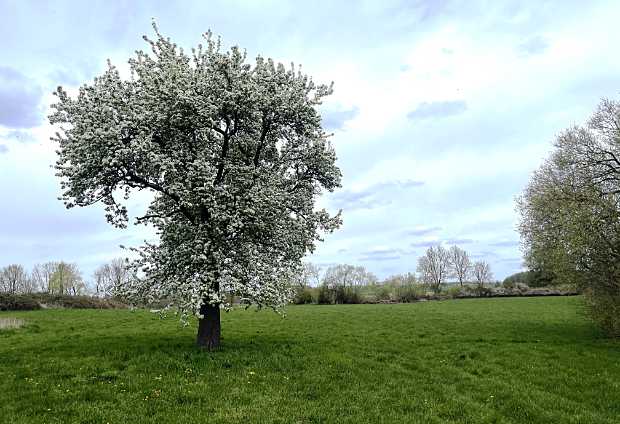
The 104-year-old blossoming pear tree on the meadow near Teterow © Danehl
We did not want to miss this opportunity to purchase such a large area of land for the benefit of the bird and insect life of species-rich meadows.
The politically motivated expansion targets, legally enshrined energy subsidies for wind turbines and solar parks, and the search for sites for tens of thousands of new mobile-phone masts are resulting in the unrestrained purchase and exploitation of land. Over 97 % of Germany’s land area is used for one purpose or another. Urban sprawl, new commercial and industrial estates, the expansion of transport routes and alternative energy projects are eating up to 50 hectares of viable countryside … not per year, but every single day! That area is equivalent to 100 football pitches lost every day to nature and its unique diversity of animal and plant species, as well as to us humans as a natural habitat and recreational area.
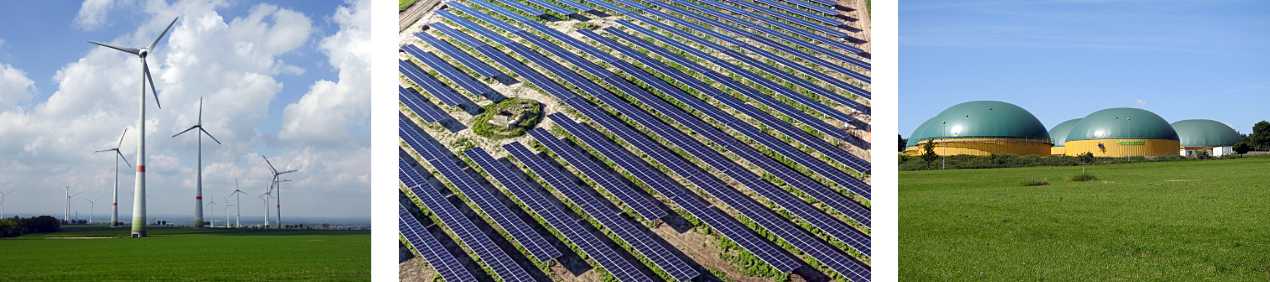
Landscape ravagers: wind turbines, solar parks, biogas plants © SPA
However, the extensive assessment of meadows in north-eastern Mecklenburg-Western Pomerania was initially quite disappointing. Industrial grass planted for silage and energy production and cut several times a year is not what bird and insect species need as a habitat in open meadow countryside.
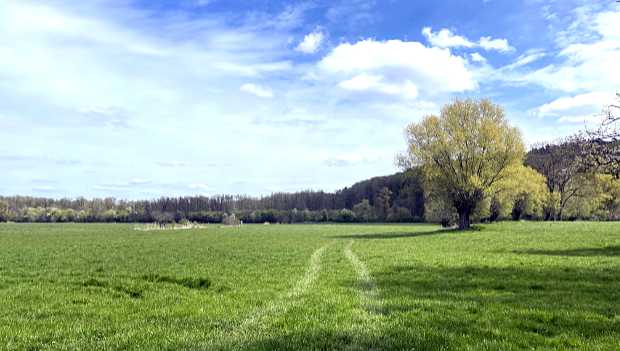
Intensively used monostructured grassland area near Lelkendorf © SPA
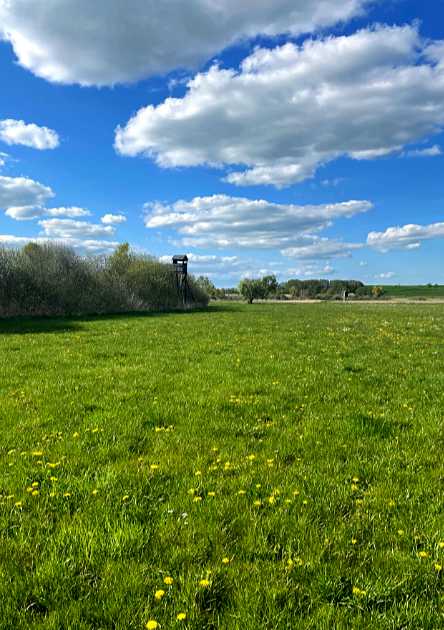
Grasslands with low species diversity © Danehl
Only a thorough conversion of grassland from species-hostile industrial grass to species-rich and flower-rich meadows by sowing certified regional meadow seeds can provide urgently needed new habitat for the highly endangered Eurasian Skylark, Whinchat, Meadow Pipit and up to 60 wild bee and butterfly species…
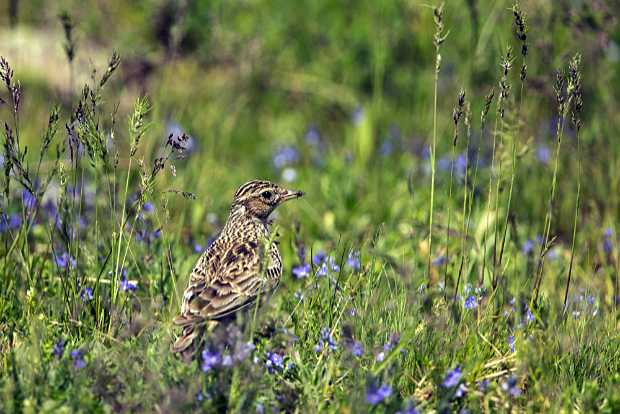
Skylark in a flowering meadow © Pröhl / fokus-natur
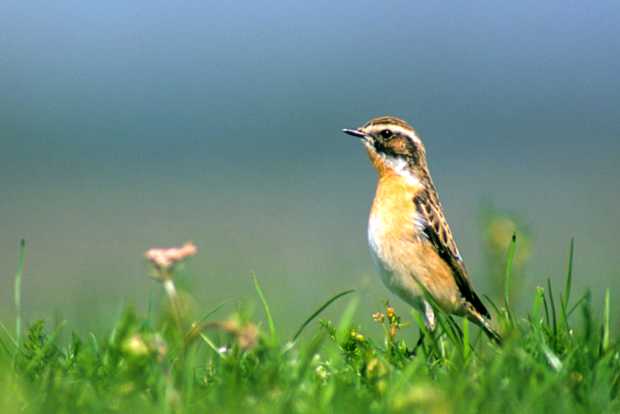
Whinchat in a meadow © Leo / fokus-natur
The landowners were receptive to the goals of our Foundation’s project work. After a long walk across the 'green field' in question, we were able to agree on a purchase price that would allow us to cover the additional costs of up to €14,000 for converting the monotonous industrial greenfield into a species-rich, flower-filled meadow.
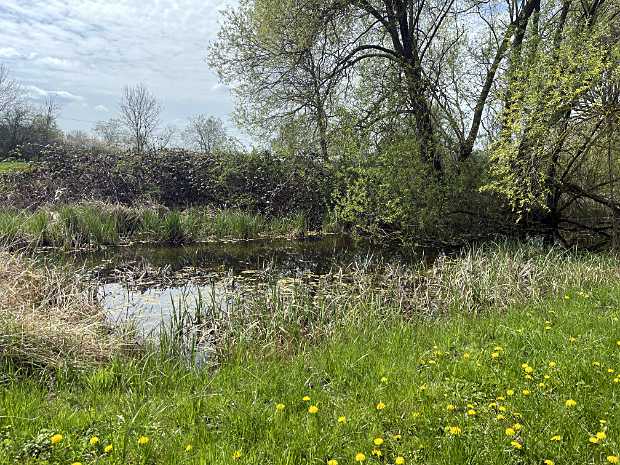
Freshwater spring with species-rich pond on the fringe of the meadow © SPA
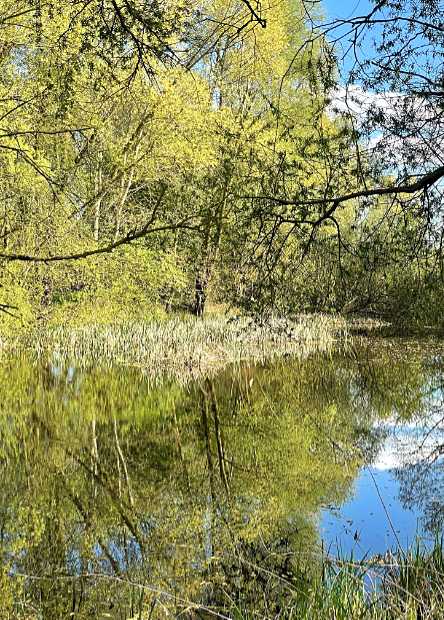
Species-rich pond with spring © Danehl
We have to pay just under €335,000 by mid-June for the final negotiated purchase price of the property, including ancillary costs. We can use €180,000 from testamentary dispositions for this purpose.
We kindly ask you today for your generous donations to help us raise the remaining €155,000.
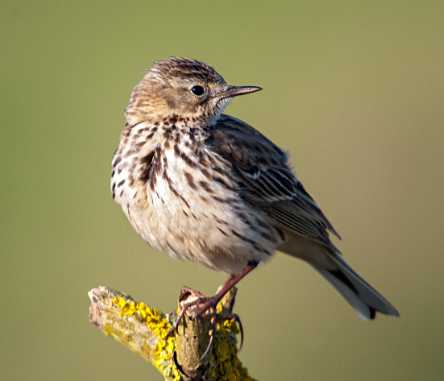
Meadow Pipit on lookout perch © Leo / fokus-natur
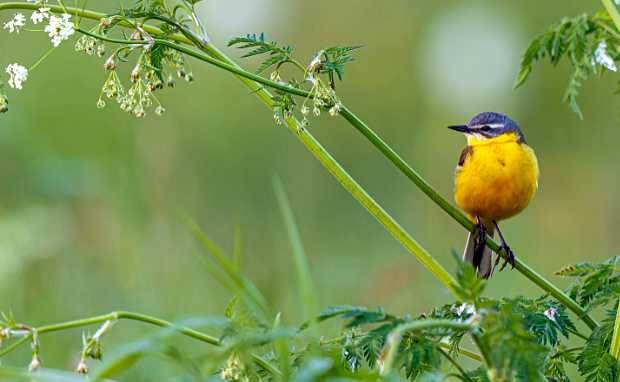
Western Yellow Wagtail in a wet meadow © H. Glader
Please help us to restore a valuable piece of meadow habitat to the endangered world of birds and insects with this 17 hectare purchase and create a flower-rich and species-rich meadow, which is now only used extensively. Every contribution counts towards this biodiversity restoration!
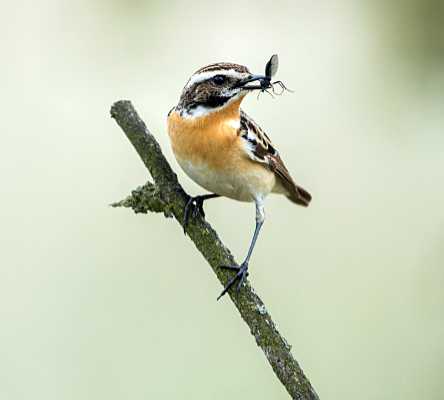
Whinchat with crane-fly prey © Leo / fokus-natur
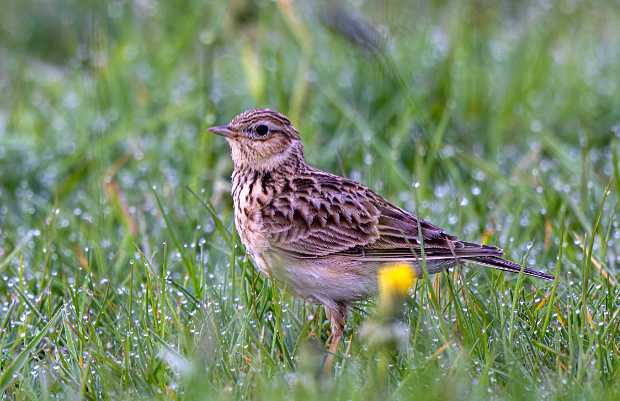
Skylark in dew-fresh meadow © H. Glader
Older projects of the month can be found in the archive
Copyright information for the image in the title bar:
"Skylark singing in flight over a species-rich meadow © H.Glader"

Just 30 years ago, Great Egrets were an absolute rarity in Germany. Today, they are a familiar sight in many places. The story of Egret K195 is particularly remarkable: since 2018, it has been turning up time and again in our Frose nature reserve during the summer... more information

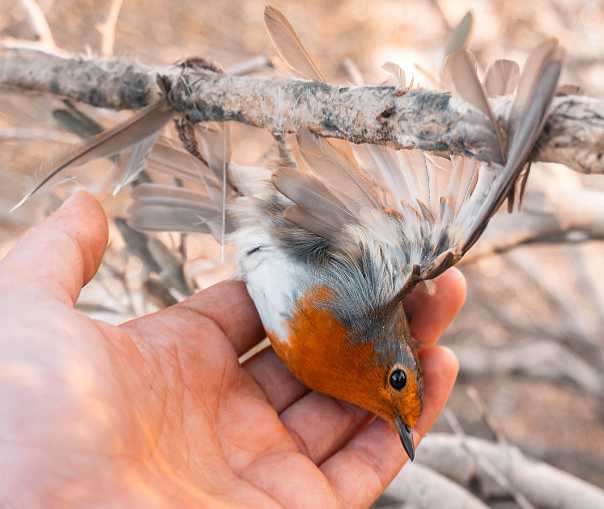
Following the successful spring bird conservation camps on Cyprus and the Greek island of Zakynthos, our local bird conservationists in Cyprus are once again standing up to the illegal operations of bird poachers and hunters. Yet again, we need your active support so that we can continue our campaign against the slaughter of migratory birds this autumn ... to the project
Postbank Hannover IBAN: DE47 2501 0030 0905 9063 07 BIC: PBNKDEFF
Stiftung Pro Artenvielfalt Meisenstraße 65 33607 Bielefeld Germany Tel. (0049) 0521 2997-883 / -884 / -889 Fax (0049) 0521 2997-885 Office Mo - Fr. 09.00 to 16.00
Foundation Management team@stiftung-pro-artenvielfalt.org Project Management projekte@stiftung-pro-artenvielfalt.org Donations, Donor Care service@stiftung-pro-artenvielfalt.org
 Donate now