News:
|
|---|

|
News:
|
|---|
|
|
Only 10 years ago, the Eiderstedt peninsula was a perfect foraging and breeding paradise for meadow birds and Black Terns: the damp soil was soft, and the meadow birds could successfully poke for worms with their long beaks. The ditches contained clean water, which was home to Sticklebacks and dragonfly larvae, and Black Terns could dive down to catch their food. Meadows and pastures had no electric fences but were full of flowers and flowering grasses. It was a perfect habitat for insects and beetles and, at the same time, a richly laid table for meadow birds ...
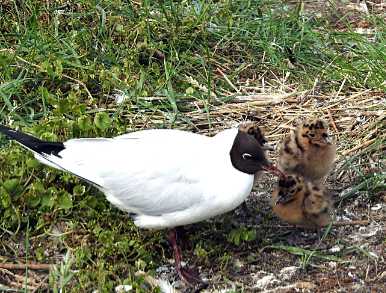
Black-headed Gull with chicks in the wet meadow © SPA
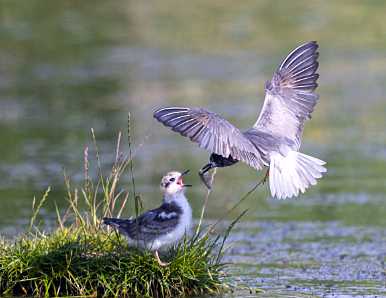
Black Tern feeds a chick © H. Glader
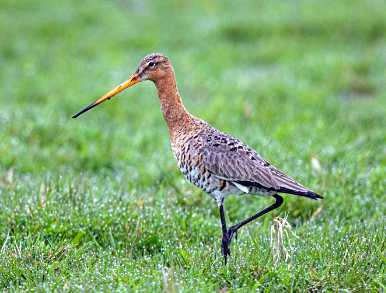
Foraging Black-tailed Godwit © H. Glader
But today, unfortunately, things look very different in northern Germany. After six hours of driving criss-cross across the peninsula, several walks to visit meadows, ditches and weirs, and crossing the dyke at the historic Westerheversand lighthouse, we were pretty exhausted and asked ourselves: "Where has all the beauty of nature gone?"
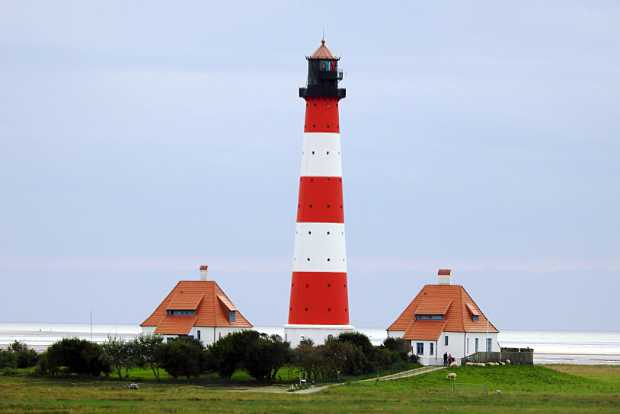
The historic Westerheversand lighthouse on the Eiderstedt peninsula © SPA
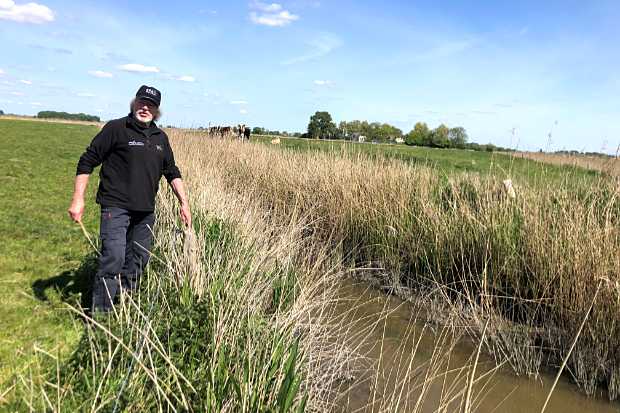
Overgrown ditch inaccessible to meadow birds © SPA
The meadows were dry, the pitiful remains of the ditch water were brown-black and stank to high heaven. Electric fences kept the cattle away from the ditches, which were overgrown with reeds and bushes and thus no longer usable as a feeding habitat, especially for Black Terns. The situation is alarming for the Eiderstedt population of long-billed wetland birds, including Eurasian Oystercatchers, Northern Lapwings, Common Redshanks, and Common Snipe, as well as the elegant Black Terns.
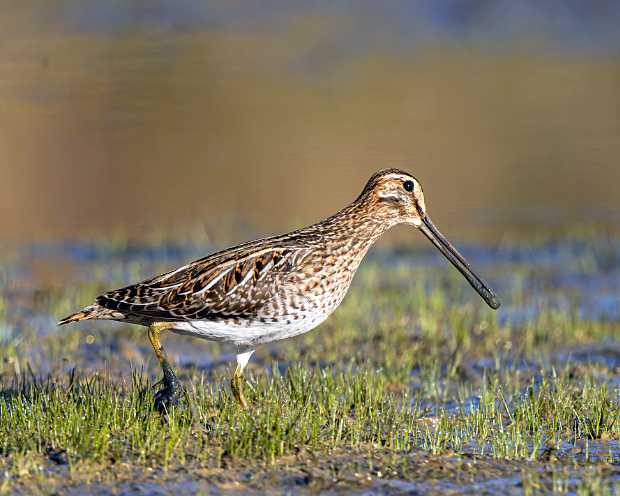
Common Snipe in the salt meadow © H. Glader
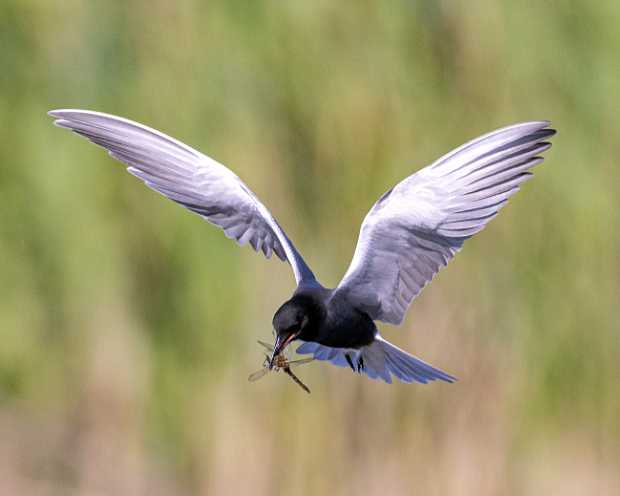
Black Tern with Dragonfly Prey © H. Glader
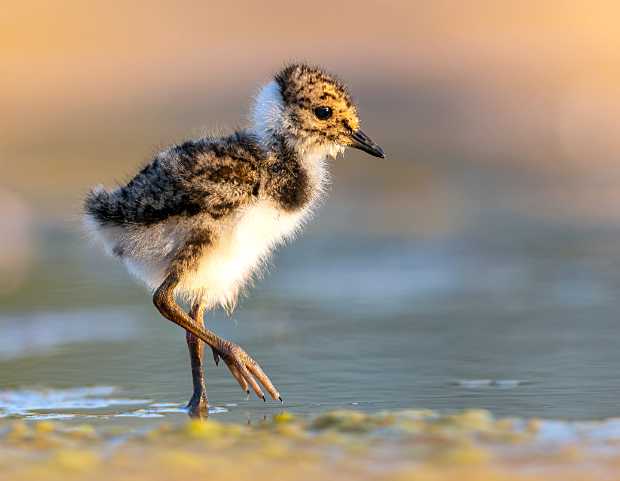
Lapwing chick at a drinking trough © H. Glader
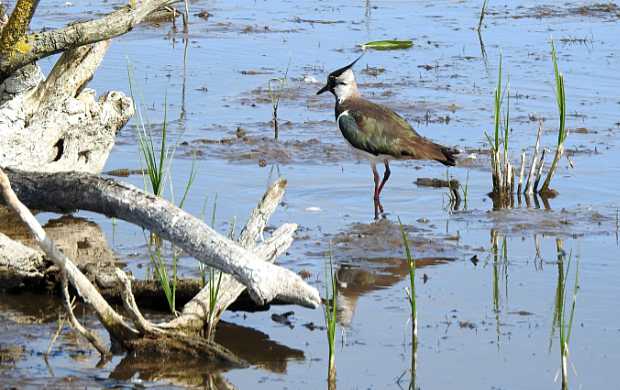
Northern Lapwing in shallow water © SPA
A nature-loving couple from the region strongly recommended that we purchase an 8.9-hectare (89,000 m²) meadow plot – for which the owners had already received a very attractive purchase offer from a solar park investor. But after intensive discussions with us, the owners were willing to meet our Foundation halfway on price, given our concrete interest in purchasing and our prompt decision to buy. Our personal experience and the in-depth information provided by the Eiderstedt couple about the existential threat to long-billed meadow birds and northern migratory birds encouraged us to purchase the 8.9-hectare (89,000 m²) meadow plot in the far north of Germany, including the surrounding ditches.
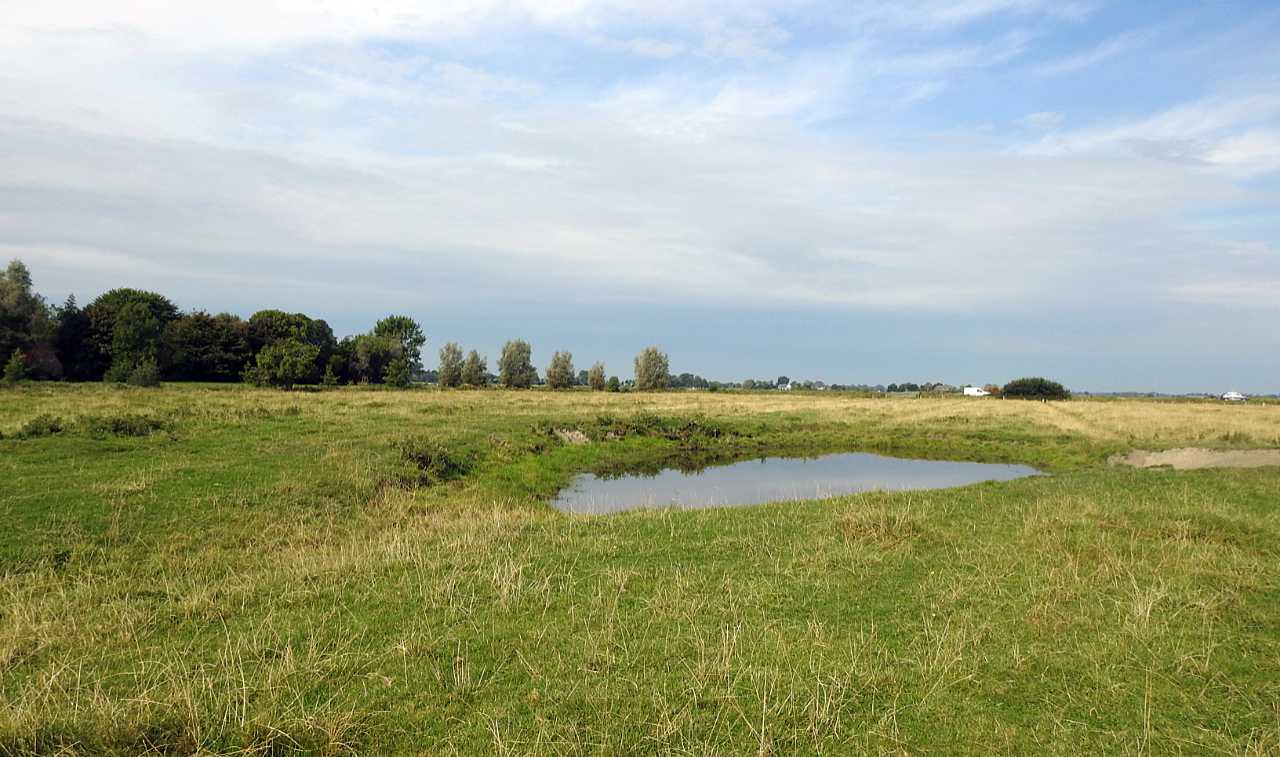
Part of our wetland purchase area near Tönning © SPA
Unfortunately, due to the massive demand for wind turbine and solar park sites, land purchase prices up here on the North Sea coast are only going in one direction: extremely steeply upwards.
The total purchase cost, including all fees, for the 89,000 m² meadow plot amounts to an impressive €415,000. After checking our cash flow, we can use approximately €305,000 from reserves and a testamentary bequest. However, despite all our financial efforts, we will only be able to raise the remaining €110,000 if you support us with a generous Christmas and New Year project donation. Every amount helps, thank you very much!
Thereafter, we can transform the meadow land, which is ideally located for meadow bird conservation and has high ecological development potential for endangered meadow birds, into a wetland paradise with new small pools and open ditches. In this way, we can work together to create a lifesaving wetland habitat on the Eiderstedt peninsula for many long-billed birds that are endangered and, in some cases, already threatened with extinction.
Status of Eiderstedt's meadow bird population:
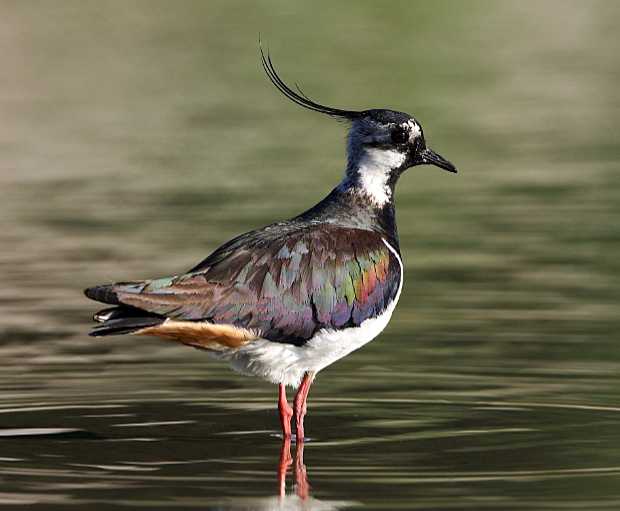
Northern Lapwing © H. Glader: minus 57% breeding pairs within 10 years
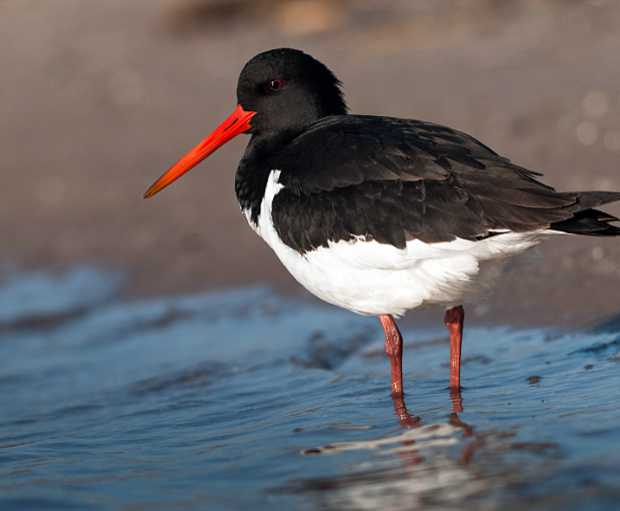
Eurasian Oystercatcher © Leo/fokus-natur: Population down 31% in 10 years
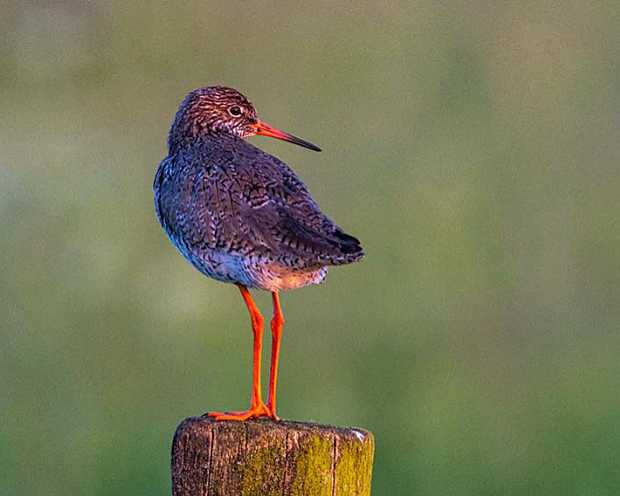
Common Redshank © H. Glader: 36% decline since 2001
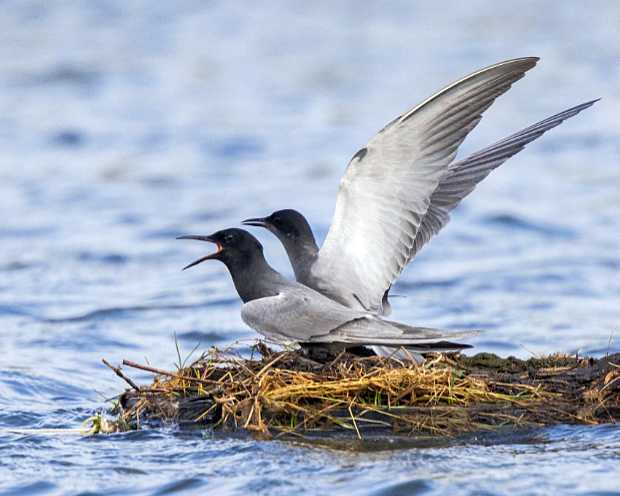
Black Tern Breeding Pair © H. Glader: Decline from 800 to 16 breeding pairs in 40 years
Older projects of the month can be found in the archive
Copyright information for the image in the title bar:
"Grassland-consuming solar park © SPA"

Just 30 years ago, Great Egrets were an absolute rarity in Germany. Today, they are a familiar sight in many places. The story of Egret K195 is particularly remarkable: since 2018, it has been turning up time and again in our Frose nature reserve during the summer... more information

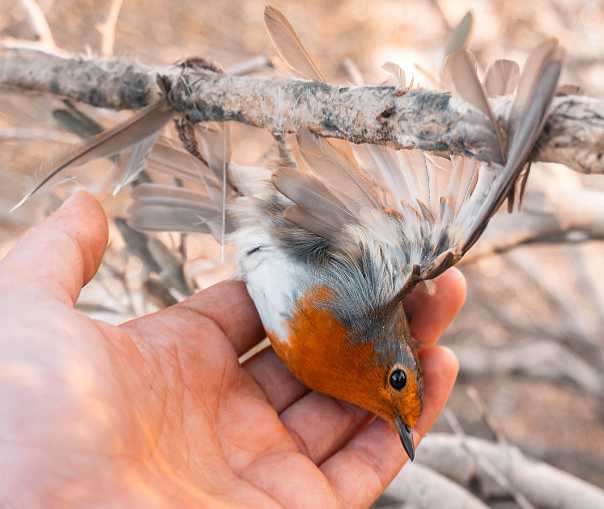
Following the successful spring bird conservation camps on Cyprus and the Greek island of Zakynthos, our local bird conservationists in Cyprus are once again standing up to the illegal operations of bird poachers and hunters. Yet again, we need your active support so that we can continue our campaign against the slaughter of migratory birds this autumn ... to the project
Postbank Hannover IBAN: DE47 2501 0030 0905 9063 07 BIC: PBNKDEFF
Stiftung Pro Artenvielfalt Meisenstraße 65 33607 Bielefeld Germany Tel. (0049) 0521 2997-883 / -884 / -889 Fax (0049) 0521 2997-885 Office Mo - Fr. 09.00 to 16.00
Foundation Management team@stiftung-pro-artenvielfalt.org Project Management projekte@stiftung-pro-artenvielfalt.org Donations, Donor Care service@stiftung-pro-artenvielfalt.org
 Donate now