News:
|
|---|

|
News:
|
|---|
|
|
For over 30 years, our veterinarian, Dr. Christiane Haupt, together with animal-loving helpers, has been caring for this highly specialised native bird species, whose life as a permanent flyer in our increasingly technological environment is exposed to rapidly growing and fatal dangers.
The habitat of the Swift is the sky above our cities and towns, which these flying acrobats use day and night without stopping to rest. Adult Swifts and their young only have solid ground under their feet during the breeding season, when they nest in wall cavities and under the roofs of older buildings from early May to late August.
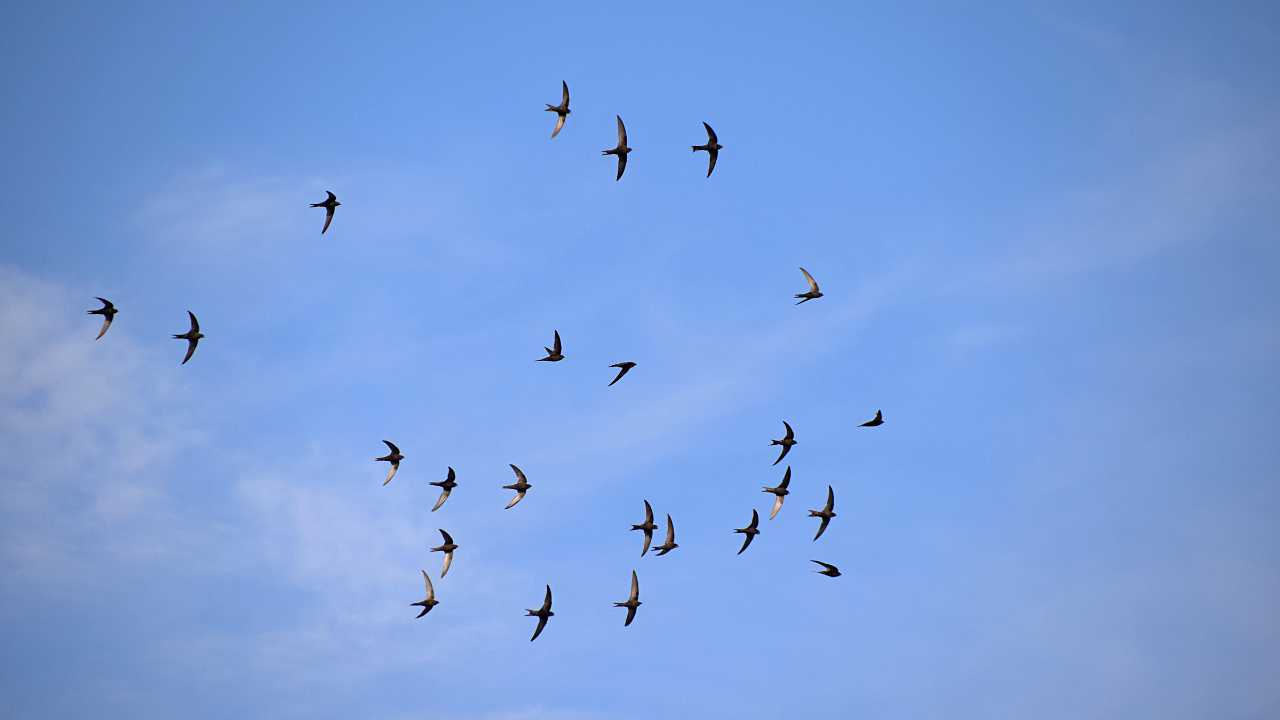
A flock of Common Swifts in the sky © A. Raluca
Otherwise, it's non-stop flying. They sleep, mate and collect insect food while in flight. They drink while gliding gracefully over the surface of ponds and lakes, and bathe by briefly skimming the water with their bellies.
Yes, our Common Swifts and Alpine Swifts, which now come from Switzerland and use the Rhine Valley up to Freiburg as their habitat, are sky racers and true aerial acrobats! Finding these creatures helpless and injured on the ground is heartbreaking. Young Swifts falling from increasingly unsuitable, too small, and completely overheated nesting sites, as well as older Swifts lying on the ground half-starved due to insect mortality, are human-caused tragedies for these birds.
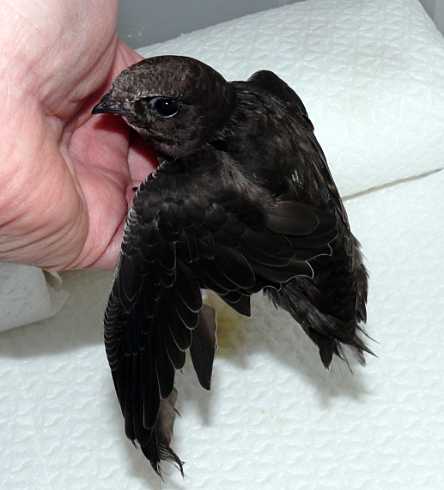
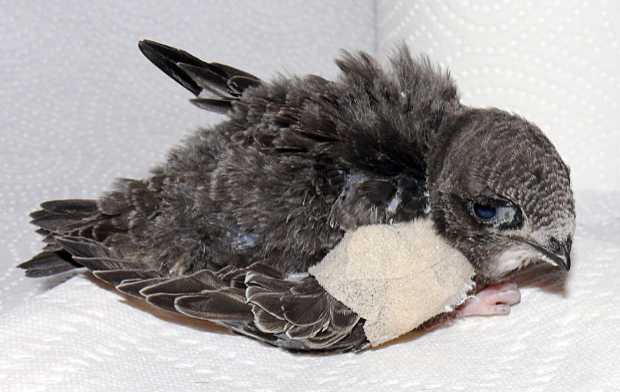
Common Swift with damage to its plumage and a young Swift patient with injuries to its wing © E. Brendel
After completing her doctoral thesis on Swifts, Christiane Haupt made it her mission to turn this sad fate into a happy one for as many Swifts as possible. Our Foundation and animal-loving donors have helped her significantly in this endeavour with their many years of financial support for the Swift Clinic she founded in Frankfurt am Main.
The Common Swifts returning from Africa since the end of April are not expected to fare well here. This means that the Swift Clinic in Frankfurt am Main will again have to carry out much self-sacrificing rescue and care work. An acute shortage of flying insects, the destruction of suitable nest sites on buildings, collisions with barely visible mirrored glass fronts, radio antennas and deaths from heat in cramped nesting cavities under hot roof tiles are driving up the number of Common Swift casualties!
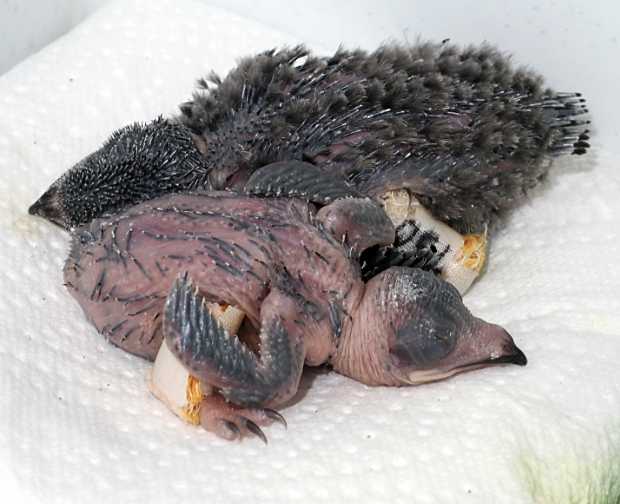
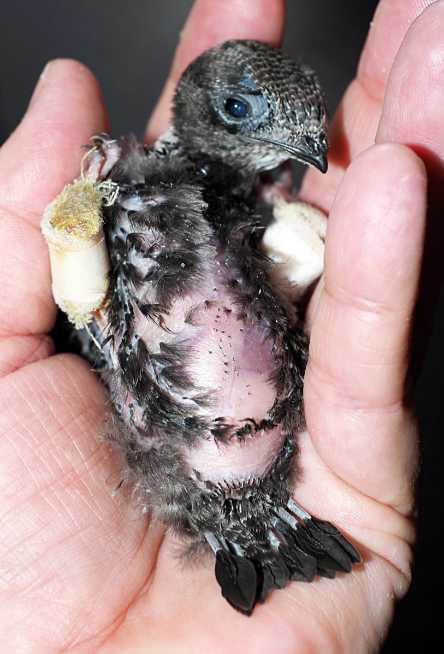
Young Common Swifts and chicks with treated broken legs © E. Brendel
Can you imagine what their small, tireless and often overworked rescue team achieves every year at the Seglerklinik, working day and night in a time-consuming and exhausting manner? During the peak Swift season, the volunteers at the Mauerseglerklinik have to feed up to 300 birds 5–6 times a day, using tweezers to push 2–3 grams of crickets deep into their open throats... and that from 7 a.m. to 3 a.m. the following day!
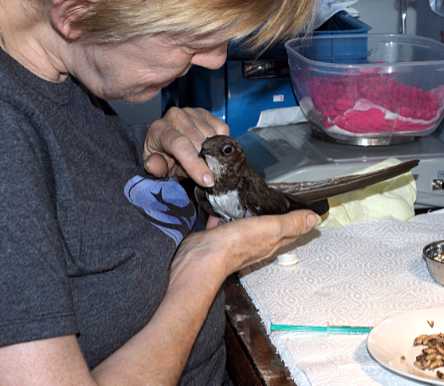
Christiane Haupt feeding an Alpine Swift. © E. Brendel
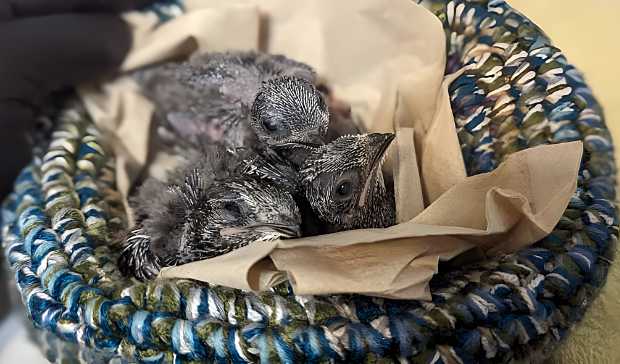
Well-fed Common Swift chicks in their nest basket © J. Mayer
In natural conditions, Swifts hunt with their beaks wide open, collecting insects deep in their throats. Only the boundless idealism and love of animals shown by the helpers make this rescue work, which is unique in Europe, possible, from the constant care and treatment to the operations carried out at night by Christiane Haupt and the replacement of defective feathers..
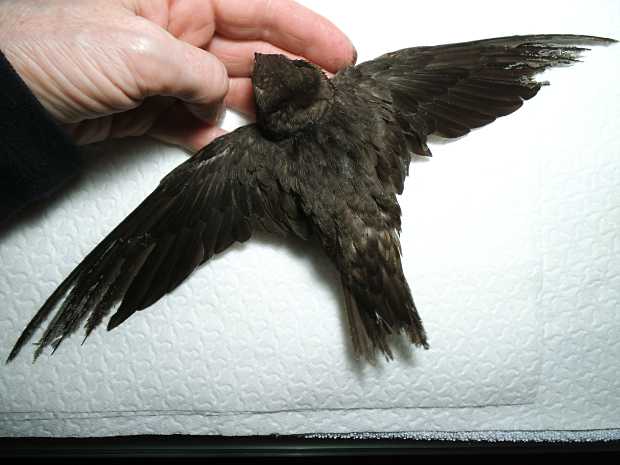
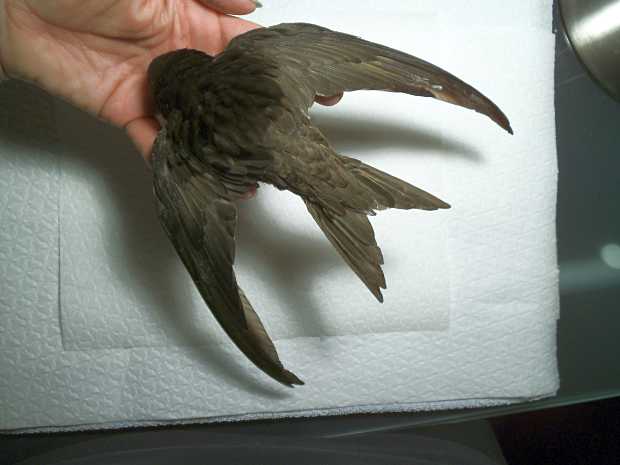
Only the complicated plumage repair allows the Swift to enjoy a second life in the freedom of the skies. © E. Brendel
Therefore, we kindly ask you to support the Swift rescue team and Christiane Haupt with your donation this year, so that they can continue providing unrestricted emergency care at the Frankfurt Swift Clinic. This year, the clinic expects up to 800 Swift patients and needs approximately £18,000 to care for them. This will enable us to pay for species-appropriate food, medication, necessary hygiene items and energy costs.
Only your donation of perhaps €20, €30 or even €50 will relieve Christiane Haupt and us of many worries currently preoccupying us at the start of the Swift season.
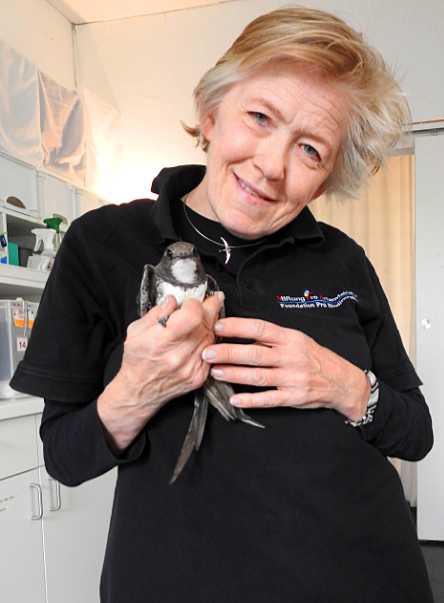
Christiane Haupt with Alpine Swift fosterling © SPA
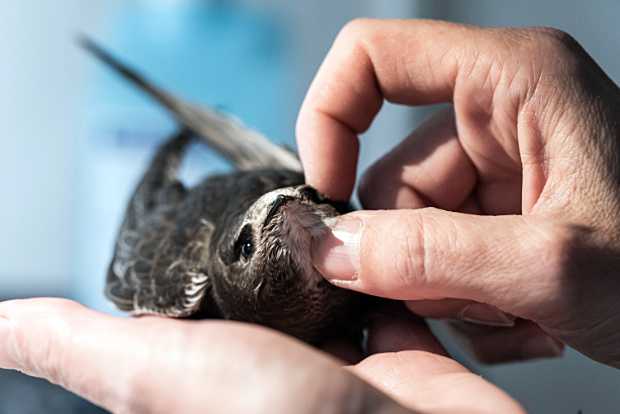
Swifts also like to be stroked © Ana Raluca
Please remember: every Swift that is nursed back to health at the Swift Clinic and released back into the wild contributes to the conservation of this unique bird species.
Older projects of the month can be found in the archive
Copyright information for the image in the title bar:
"Common Swift patients with plumage damage © E. Brendel
"

Just 30 years ago, Great Egrets were an absolute rarity in Germany. Today, they are a familiar sight in many places. The story of Egret K195 is particularly remarkable: since 2018, it has been turning up time and again in our Frose nature reserve during the summer... more information

Following the successful spring bird conservation camps on Cyprus and the Greek island of Zakynthos, our local bird conservationists in Cyprus are once again standing up to the illegal operations of bird poachers and hunters. Yet again, we need your active support so that we can continue our campaign against the slaughter of migratory birds this autumn ... to the project
Postbank Hannover IBAN: DE47 2501 0030 0905 9063 07 BIC: PBNKDEFF
Stiftung Pro Artenvielfalt Meisenstraße 65 33607 Bielefeld Germany Tel. (0049) 0521 2997-883 / -884 / -889 Fax (0049) 0521 2997-885 Office Mo - Fr. 09.00 to 16.00
Foundation Management team@stiftung-pro-artenvielfalt.org Project Management projekte@stiftung-pro-artenvielfalt.org Donations, Donor Care service@stiftung-pro-artenvielfalt.org
 Donate now