News:
|
|---|

|
News:
|
|---|
|
|
Older people, in particular, can still remember who regularly got them out of bed early in the morning... it wasn't a hand-operated or digital alarm clock or the wake-up sound of a smartphone, but a cheerful flock of sparrows, chirping loudly on the gutter and exchanging the latest sparrow news. And these cheerful little restless guys are now very much missed by many people, including us!
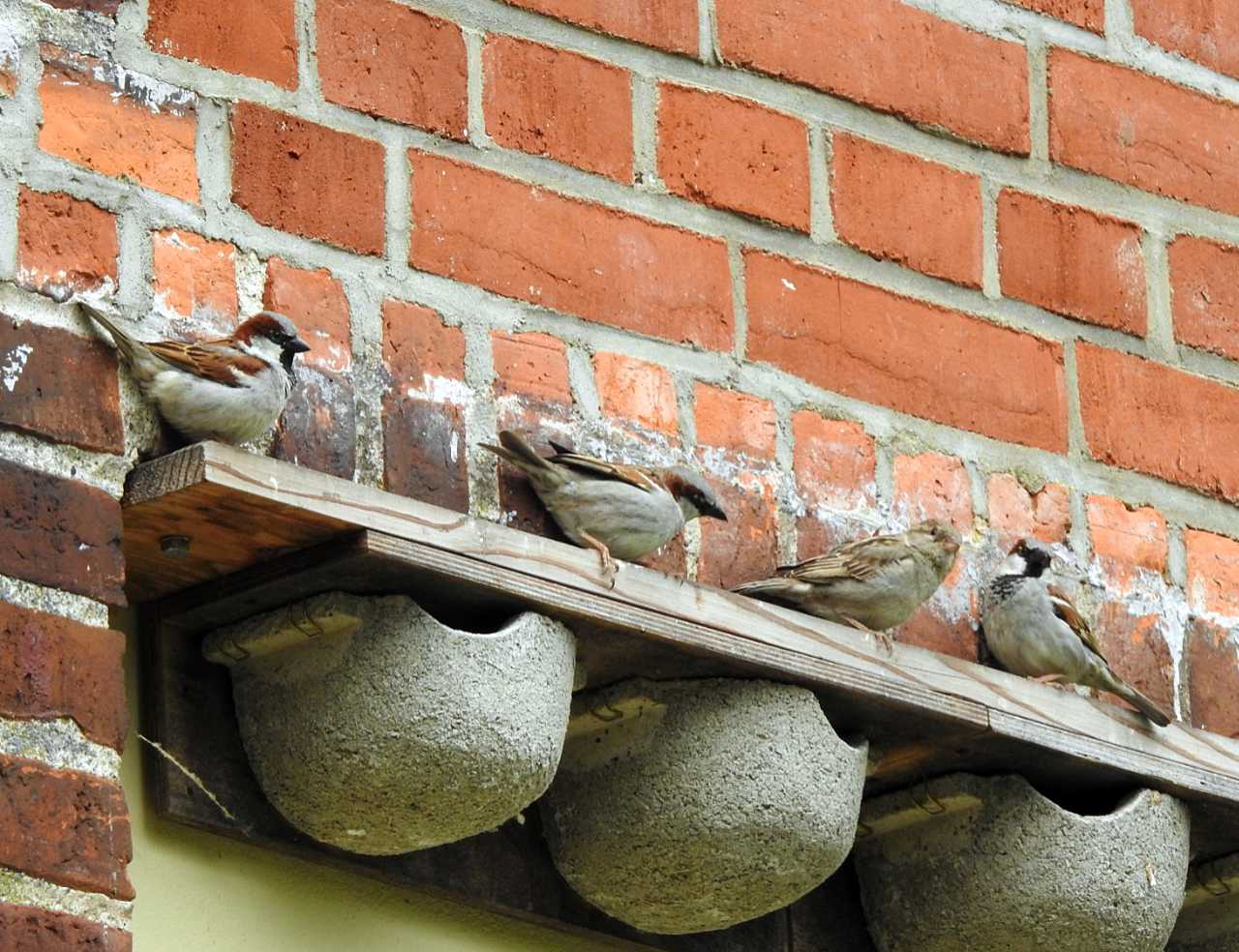
House Sparrows use House Martin nests at our Runow conservation tower (M-V) © SPA
The silent disappearance of our building-dwelling bird and bat species from our cities, towns and villages is accelerating unabated. Legal requirements for energy-efficient building renovations, perfect wall, roof and roof truss insulation, the sealing of every gap, and the conversion of attics into living space are robbing our native bird and bat species, which are dependent on buildings, of the roof over their heads thousands of times every year.
Without replacement building habitats, these wildlife species will die out quietly and ever faster. Extinction is irreversible!
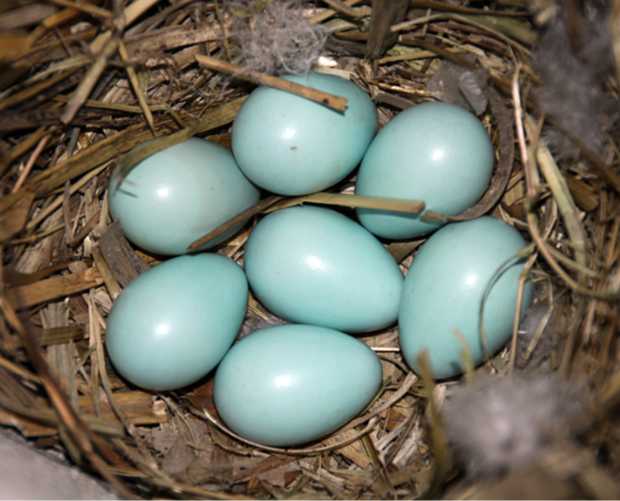
Common Starling clutch in our Nobitz species conservation tower (Thuringia) © SPA
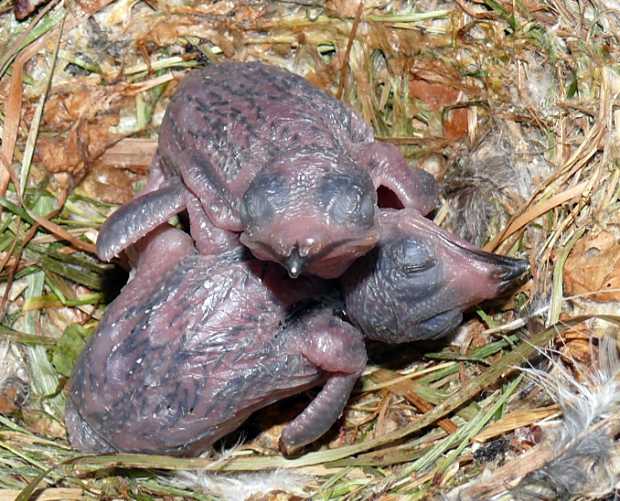
Newly-hatched Common Swift chicks © K. Roggel
Every spring, thousands of House Martins, Common Swifts, Common Starlings, Wagtails and Black Redstarts perch homeless in front of renovated buildings after their exhausting return from the south. There is no more room for them in their traditional roosts.
Why do we get so worked up about the continuing illegal killing of birds in southern Europe when, at the same time, the vast majority of politicians responsible for nature conservation show hardly any interest in species conservation regulations and concrete protection measures for building-dwelling bird and bat species?
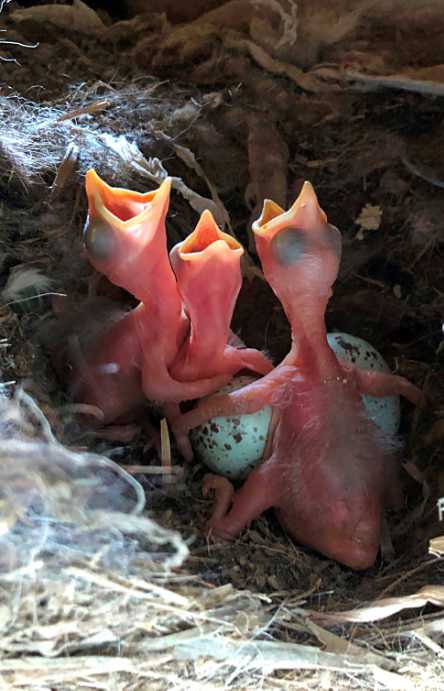
Newly hatched Eurasian Jackdaw chicks in our species conservation building Dörtendorf (Thuringia) © SPA
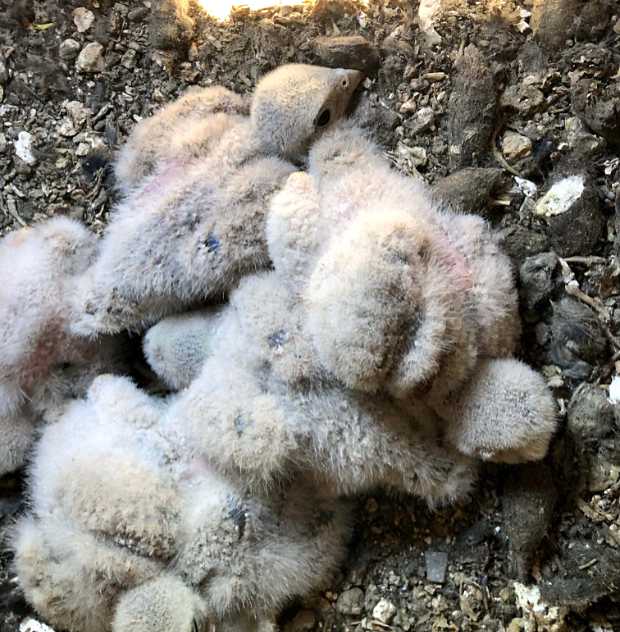
Common Kestrel chicks in our Brilon species conservation tower NRW © SPA
Unfortunately, most house and flat owners also lack the awareness and willingness to get involved in protecting existing nesting and breeding sites or creating new ones on their buildings. However, both together have the same sad consequences for our birdlife as the mass illegal murder of birds in Southern Europe. Bird numbers are plummeting, so it inevitably becomes quiet and empty around the house and garden.
Former common bird species such as the Common Starling and the House Martin are already on the German Red List of Threatened Birds. The Tree Sparrow, which has been on the "early warning list" of endangered breeding birds since 2020, has been disappearing from our villages and from entire German federal states at breathtaking speed for the past three years!
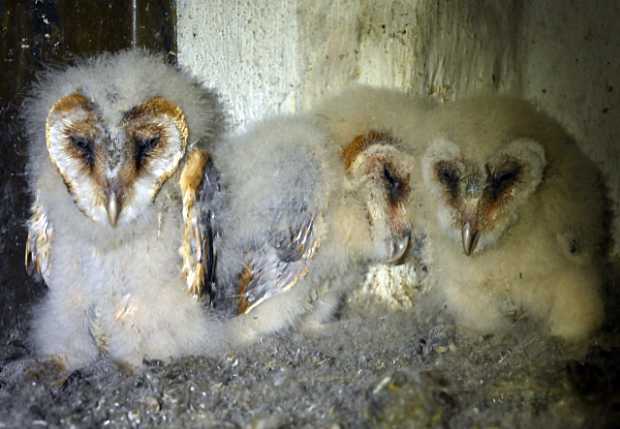
Barn Owl chicks in our species conservation tower in Augustenhof (M-V) © Peßner
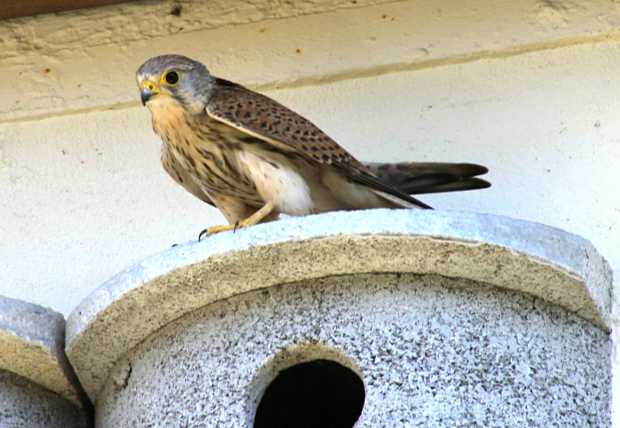
Fledged Common Kestrel offspring in our species conservation tower in Bouderath (NRW) © SPA
What began in 2007 with the construction of our first species conservation tower in Wünschendorf/Elster in the district of Untitz, East Thuringia, has developed into an unparalleled species conservation success story over the years! This year alone, 430 pairs of birds and two Pipistrelle bat colonies bred and settled in our now 37 species conservation buildings and almost 1,800 bird chicks have seen the light of day in their safe and well-protected nests!
In spring 2023, near our wetland project "Seeländereien bei Frose" in the Salzland district of Saxony-Anhalt, we discovered a rather dilapidated disused transformer tower in the municipality of Winningen, a district of the town of Aschersleben, which, presumably because of its listed status, no one seemed to want to take responsibility for.
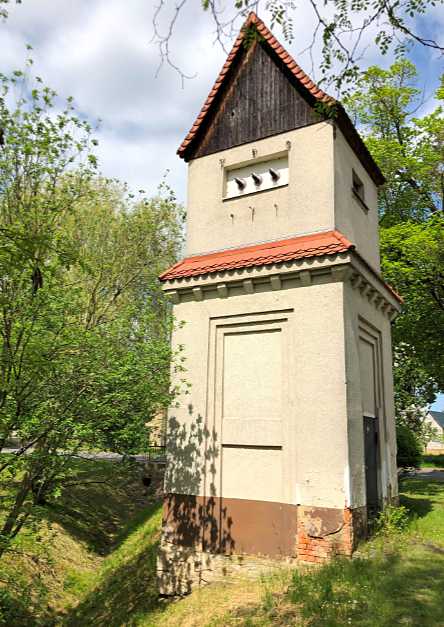
The southeast side of the listed transformer tower in the centre of Winningen © SPA
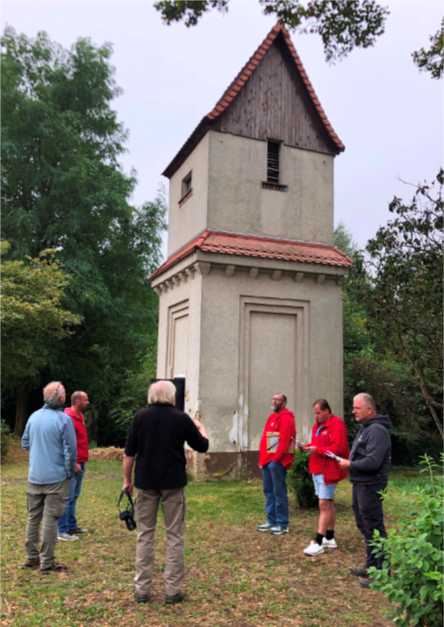
Conversion meeting with artisans © SPA
This transformer tower was just what we needed for our species conservation project work to benefit building-dwelling wildlife. Based on the easement to preserve the tower on the municipal property, which has now been entered in the land register for our Foundation, and the conversion permit under listed buildings protection law, we will begin converting this dilapidated transformer tower into our 38th species conservation building in autumn.
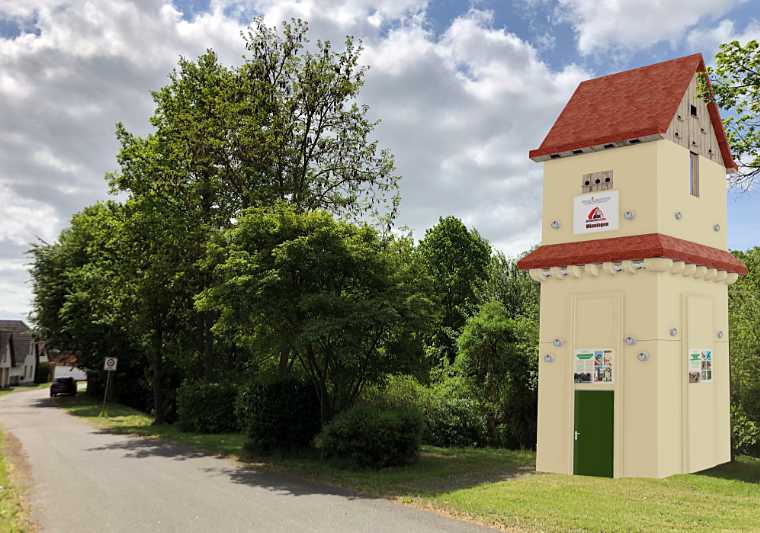
Model of the future species conservation tower in Winningen © SPA
Our goal for this transformer tower is also to provide species-appropriate accommodation with suitable niches for roosting and wintering bird species, such as the Common Kestrel, Barn Owl, Eurasian Jackdaw, House and Tree Sparrow and bat species, by the end of November 2024 at the latest, and to provide secure sites for the migratory bird species that return from the south in the spring, such as the House Martin, Common Swift, Black Redstarts and Wagtails, for their breeding and rearing their young.
The conversion of the Winningen species conservation tower will cost us around 23,600 euros. We are still about 14,000 euros short of our target! Please help us, today if possible, with your dedicated project donation.
Older projects of the month can be found in the archive
Copyright information for the image in the title bar:
"Barn Owl taking off from our species conservation tower in Radepohl (M-V) © Peßner"

Just 30 years ago, Great Egrets were an absolute rarity in Germany. Today, they are a familiar sight in many places. The story of Egret K195 is particularly remarkable: since 2018, it has been turning up time and again in our Frose nature reserve during the summer... more information

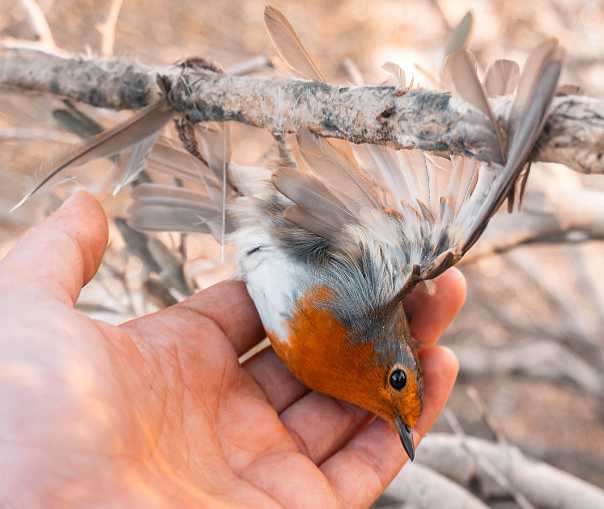
Following the successful spring bird conservation camps on Cyprus and the Greek island of Zakynthos, our local bird conservationists in Cyprus are once again standing up to the illegal operations of bird poachers and hunters. Yet again, we need your active support so that we can continue our campaign against the slaughter of migratory birds this autumn ... to the project
Postbank Hannover IBAN: DE47 2501 0030 0905 9063 07 BIC: PBNKDEFF
Stiftung Pro Artenvielfalt Meisenstraße 65 33607 Bielefeld Germany Tel. (0049) 0521 2997-883 / -884 / -889 Fax (0049) 0521 2997-885 Office Mo - Fr. 09.00 to 16.00
Foundation Management team@stiftung-pro-artenvielfalt.org Project Management projekte@stiftung-pro-artenvielfalt.org Donations, Donor Care service@stiftung-pro-artenvielfalt.org
 Donate now