Land acquisition project: Finowtal Nature Reserve
|
|---|

|
Land acquisition project: Finowtal Nature Reserve
|
|---|
|
|
The Finowtal-Pregnitzfliess nature reserve established in 2006 in the Barnim Nature Park, district of Barnim, Brandenburg, with a total area of around 1,821.0 ha, includes an ice-age glacier tongue basin surrounded by inland dunes and an ice-age meltwater drainage channel with numerous fen formations. The nature reserve also extends to areas in the communities of Biesenthal, Schorfheide and Wandlitz.
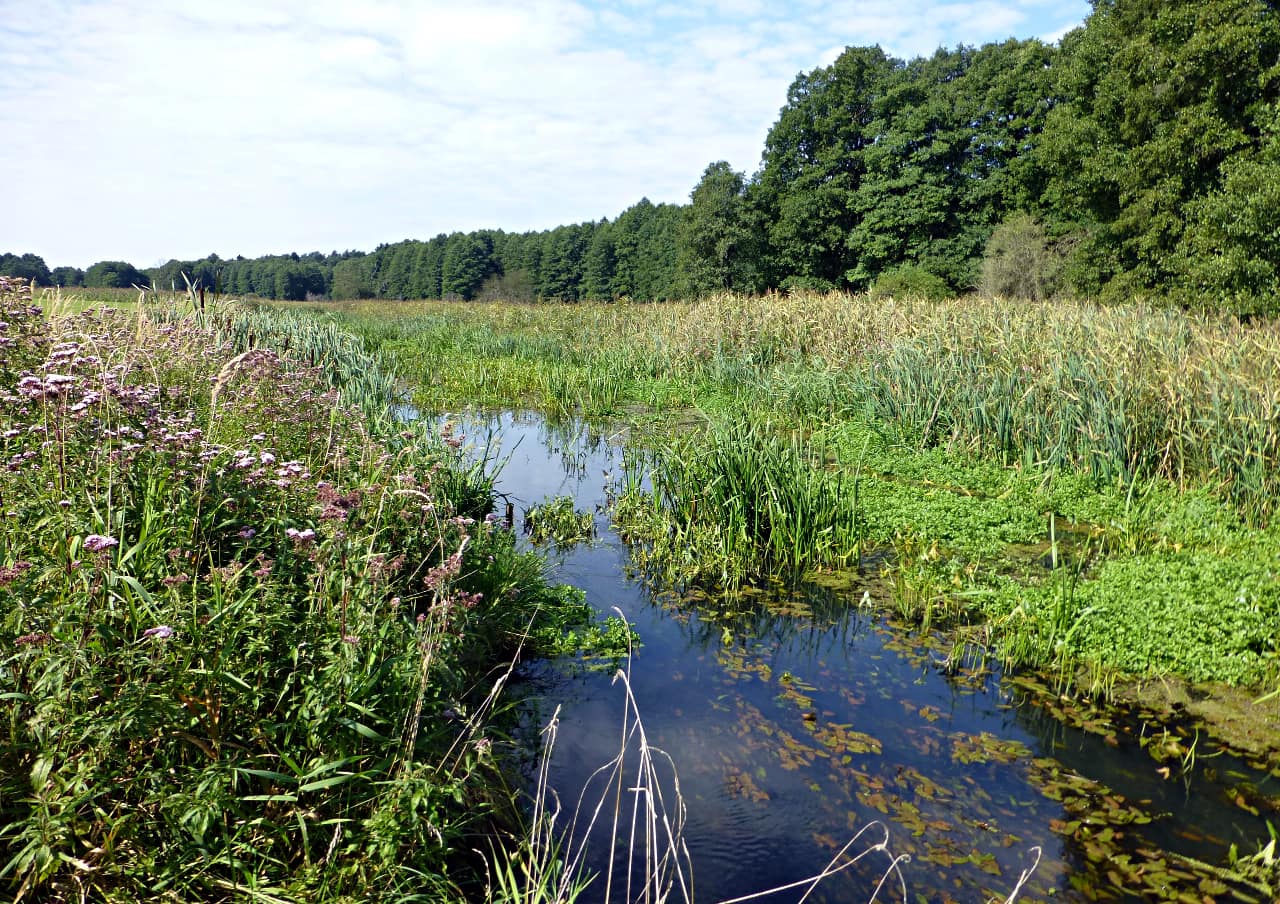
The River Finow flows through the "lost meadows“ in the Finowtal © SPA
In the Drawienski National Park on the Polish side of the border, and in the Barnim Nature Park on the German side, the catchment areas of the Drawa, the Nonnenfliess, the Finow and the Pregnitzfliess still represent the ecologically most valuable river catchment areas due to their faunistic and floristic features.
However, the countryside water balance is unsettled in large parts of the Polish and German catchment area of the River Oder. Human settlement intervention in the natural landscape shaped by the Ice Age has caused long-term damage to the natural countryside functions of fens and water bodies on both sides of the Oder.
Critical ecological parameters such as the continuity of the watercourses, water retention, the richness of landscape structures and biodiversity have been changed adversely and, despite being under protection, are still a threat to the future of many already endangered animal species.
As part of the ecological restoration of partial catchment areas of the River Oder, including copying the example of the Finow and Pregnitz streams to recognise and significantly reduce ecological deficits in the catchment areas through targeted measures. In this way, one of the main objectives of the EU Water Framework Directive, Articles 1 and 4, and the Fauna-Flora-Habitat Directive 92/43/EC of May 21, 1992 could be met.
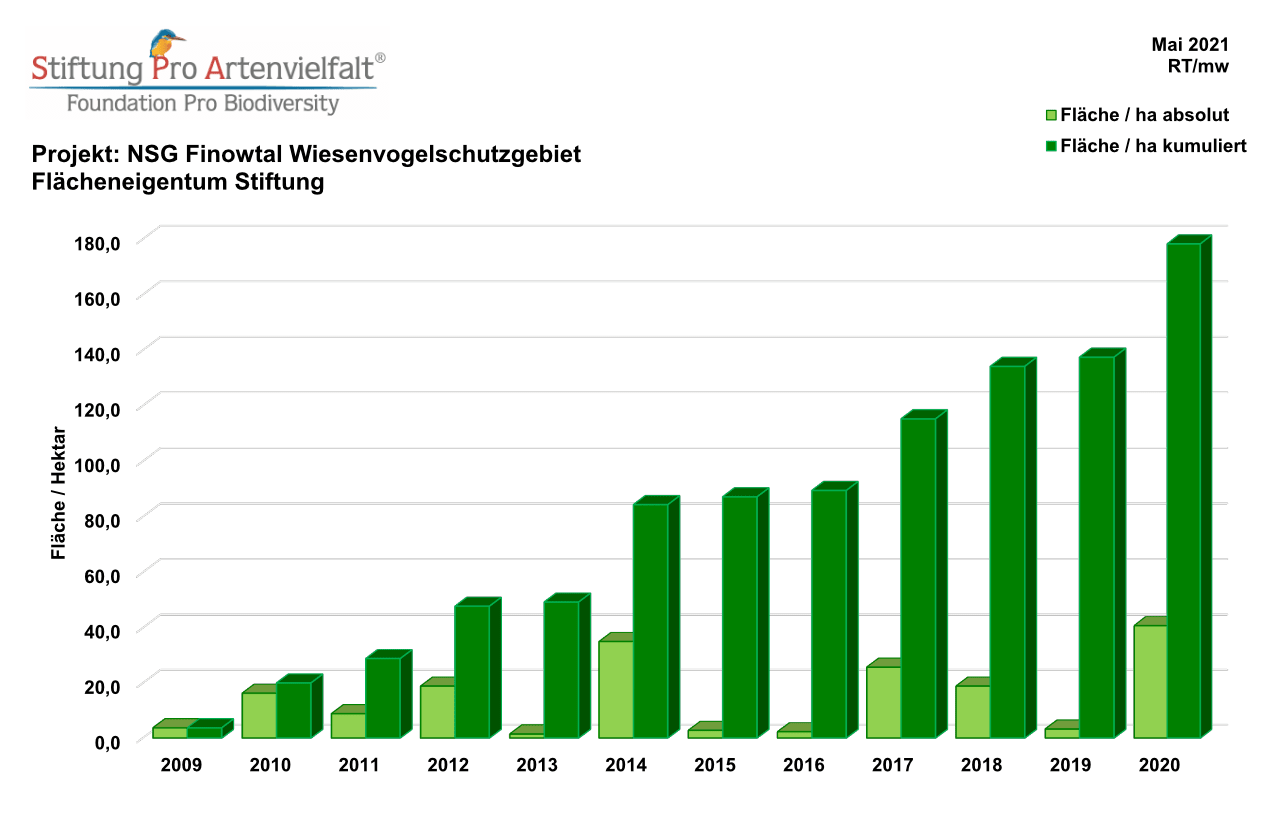
Based on a cooperation agreement with the Barnim Nature Park Administration, we decided in 2009 to support the realisation of the ecological restoration of the River Finow, to secure and strengthen the diversity of wild animal species through extensive land purchases in the Finowtal in the Biesenthal district.
Since autumn 2009, we have been regularly involved in land purchases, which, after the transfer of ownership, enable us to have a constructive influence on the future use of the countryside and thus achieve natural landscape development in line with the ecological restoration goals for the River Finow and the Finowtal.
With our biotope-friendly extensive use of the fen meadows as hay meadows, with the earliest mowing date at the end of June each year, and the partial damming of ditches, we are helping to revitalize the fen area.
We practice process protection on the forest areas that we own and, with the new planting of juniper heath areas on the sandy, dry edge dune crests near the Wehrmühle, our aim is to in the furure end the previous pressure of use on the areas which are still leased and create a new habitat for the biodiversity of dry heath biotopes.
Our long-term project goal in the Finowtal is the purchase and ownership of up to 240 ha of wet grassland, fen meadows, alder marsh and hillside dune woodland.
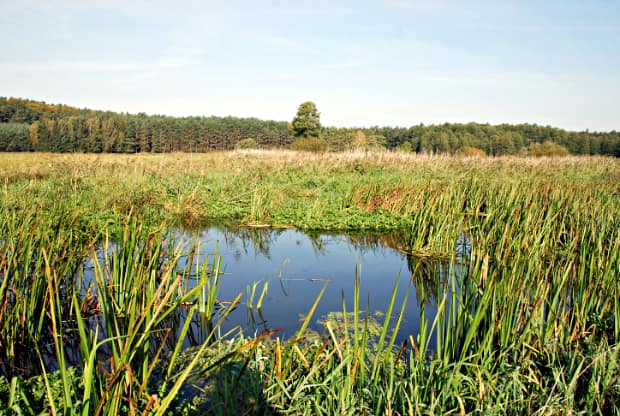
Restored wet meadows in the Finowtal © SPA
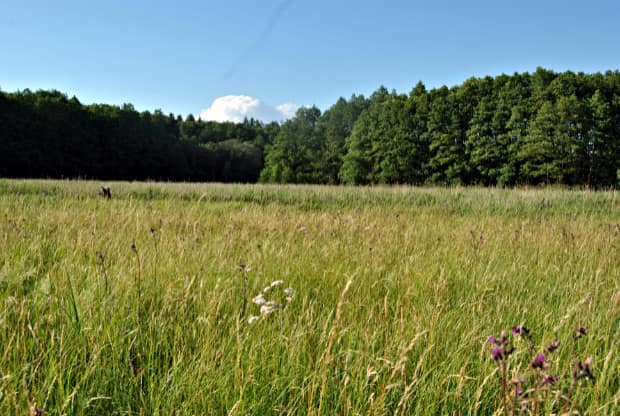
The Finowtal wet meadows shortly before mowing © SPA
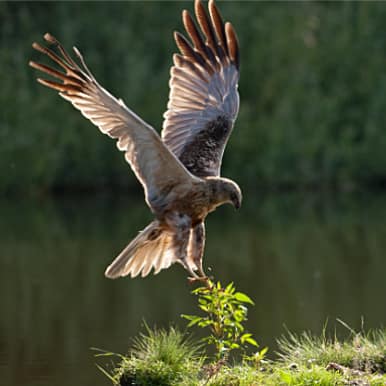
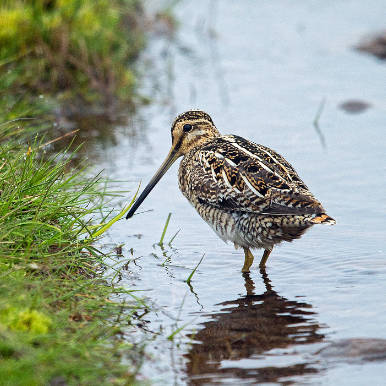
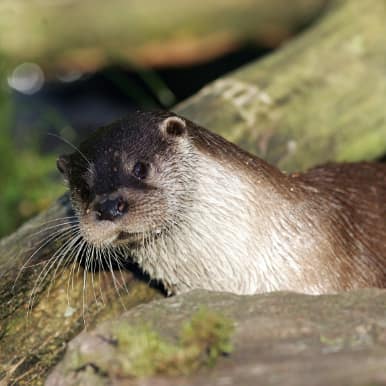
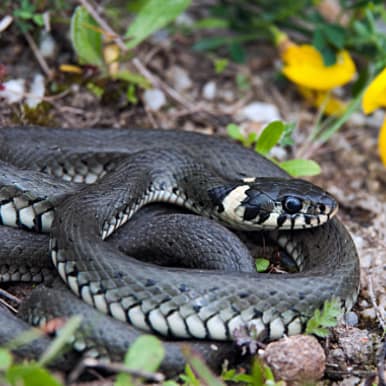
Common Crane, White and Black Stork, Corncrake, Marsh Harrier, Common Snipe, Daubenton's Bat, European Beaver, Eurasian Otter, Grass Snake, Sand Lizard
Common Crane
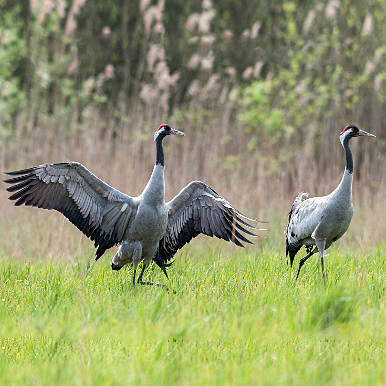
© Leo/fokus-natur
White Stork
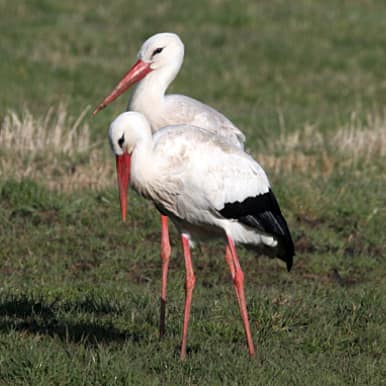
© FotoNatur
Black Stork
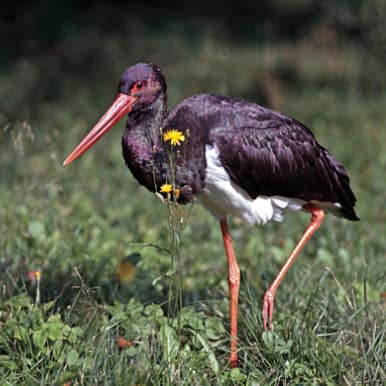
© L. Hlasek
Corncrake
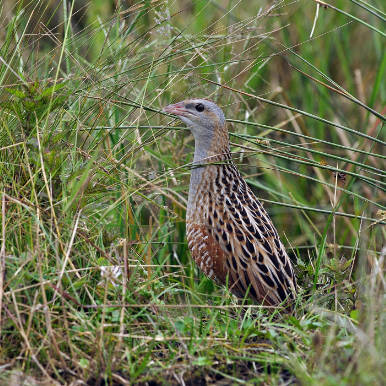
© L. Hlasek
Marsh Harrier
© Pröhl/fokus-natur
Common Snipe
© Pröhl/fokus-natur
Eurasian Otter
© FotoNatur
Grass Snake
© Leo/fokus-natur
Your donation enables the purchase of further ecologically-valuable plots of land.
The information on the copyrights of the images used on this site can be found at Copyrights, unless these are already indicated in or below the image.

Just 30 years ago, Great Egrets were an absolute rarity in Germany. Today, they are a familiar sight in many places. The story of Egret K195 is particularly remarkable: since 2018, it has been turning up time and again in our Frose nature reserve during the summer... more information

Following the successful spring bird conservation camps on Cyprus and the Greek island of Zakynthos, our local bird conservationists in Cyprus are once again standing up to the illegal operations of bird poachers and hunters. Yet again, we need your active support so that we can continue our campaign against the slaughter of migratory birds this autumn ... to the project
Postbank Hannover IBAN: DE47 2501 0030 0905 9063 07 BIC: PBNKDEFF
Stiftung Pro Artenvielfalt Meisenstraße 65 33607 Bielefeld Germany Tel. (0049) 0521 2997-883 / -884 / -889 Fax (0049) 0521 2997-885 Office Mo - Fr. 09.00 to 16.00
Foundation Management team@stiftung-pro-artenvielfalt.org Project Management projekte@stiftung-pro-artenvielfalt.org Donations, Donor Care service@stiftung-pro-artenvielfalt.org
 Donate now