Land acquisition project: Gehrden
|
|---|

|
Land acquisition project: Gehrden
|
|---|
|
|
The valley lies in the heart of the Oberwald hill country, a landscape in the Weser mountain region originally characterised by extensive lime and orchid beech forests and calcareous grasslands managed by itinerant shepherds. The Öse brook is still a relatively natural flowing watercourse with a good water level even in the summer months. The up to 5 m wide riparian vegetation belt of Alder, Willow, Hazel and grassland on both sides of the stream ensures that the nutrient inputs from the agriculturally used grass and arable land remain within acceptable limits. The water of the Öse is still of high quality and thus offers a suitable habitat for the Brown Trout.
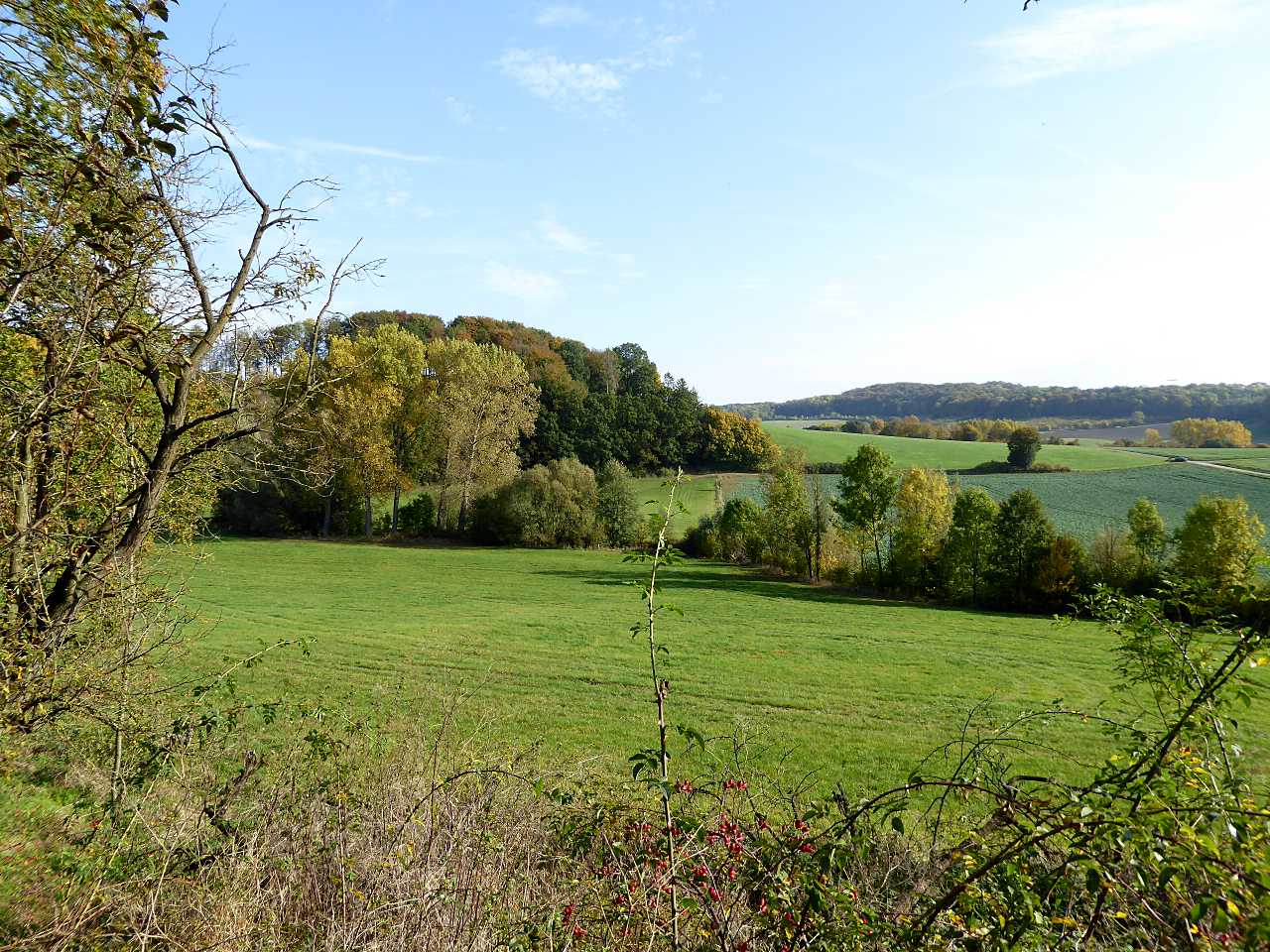
A view of the Öse meadow valley near Gehrden © SPA
The valley floodplain with its species-poor grassland has become a homogeneous agricultural landscape through intensive fertilisation and cattle grazing and, therefore, offers a suitable habitat for only a few animal and plant species.
The hybrid poplars planted on the banks of the Öse in the 1950s with their growth height of up to 30 m formed a barrier in the meadow valley and narrowed its width. This made it more difficult for birds of prey such as the Common Kestrel, Common Buzzard and especially the Red Kite to hunt for food whilst saving energy. The hybrid poplars suppressed the development of near-natural riparian vegetation through shading and massive leaf fall.
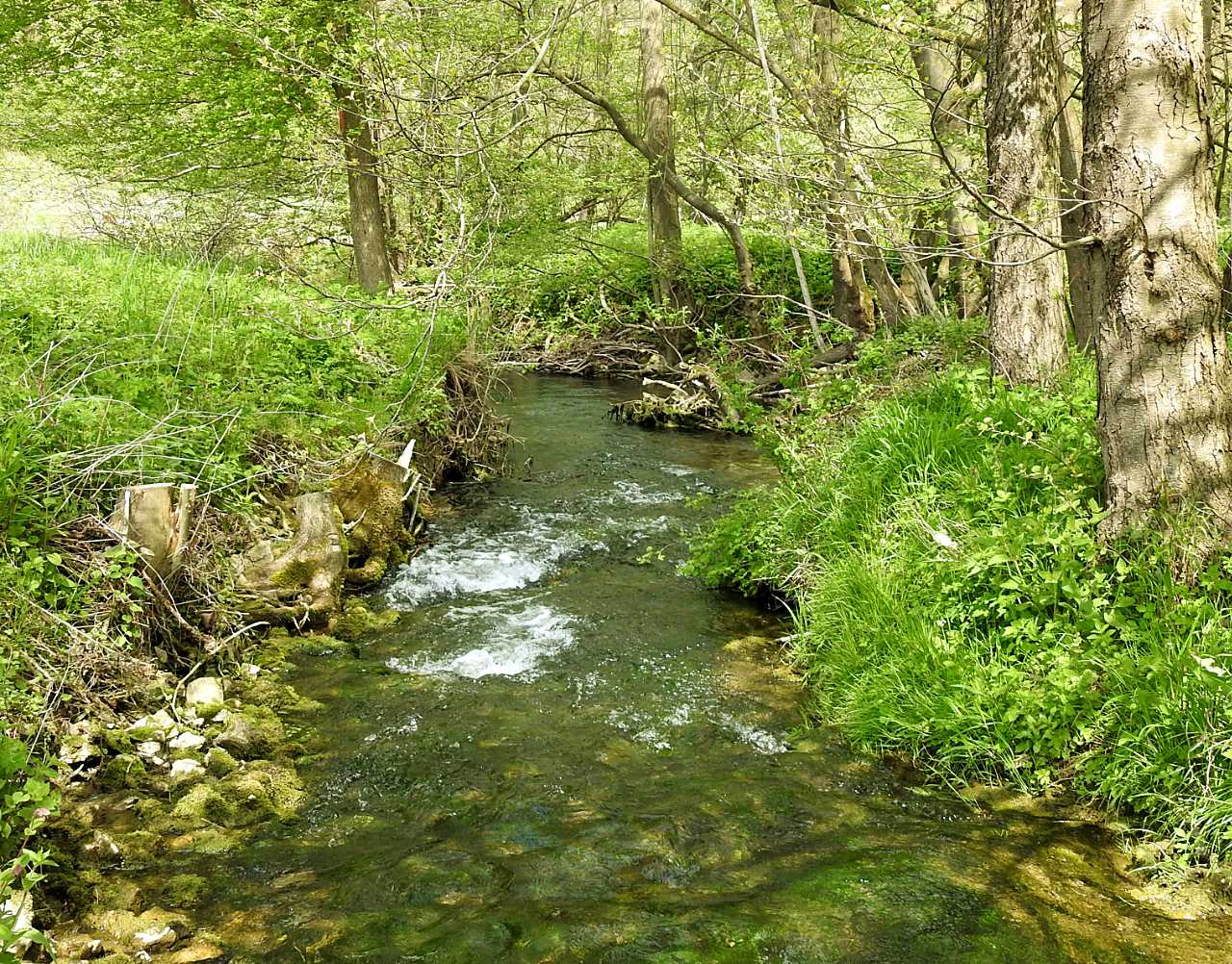
The Öse brook in the meadow valley near Gehrden © SPA
Sustainable protection of the grassland bordering the stream, the entire meadow valley and the wooded hillsides. Ending grassland fertilisation and restricting its extensive use to haymaking will reduce soil compaction and cause a substantial improvement in the variety of grasses and flowering plants.
These measures optimise the habitat for insect diversity, which provides the food base for songbirds in the open countryside such as the Eurasian Skylark, Yellowhammer and Red-backed Shrike. With the increase in smaller mammals in the meadow areas and along the floodplain, the food supply for several species of birds of prey, especially the Red Kite, will be significantly improved.

Foraging Red Kite © Pröhl/fokus-natur
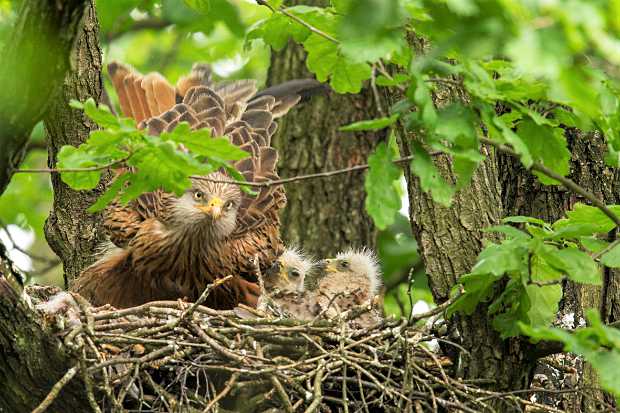
Red Kite watches over its chicks on the nest
© Pröhl/fokus-natur
Through further land purchases on the Immelsberg bordering to the east, our long-term goal is to create a large-scale, protected biotope complex with a structurally rich grassland floodplain, calcareous grassland hillside biotopes and species-rich mixed deciduous forest and to develop and preserve it sustainably as a diverse habitat.
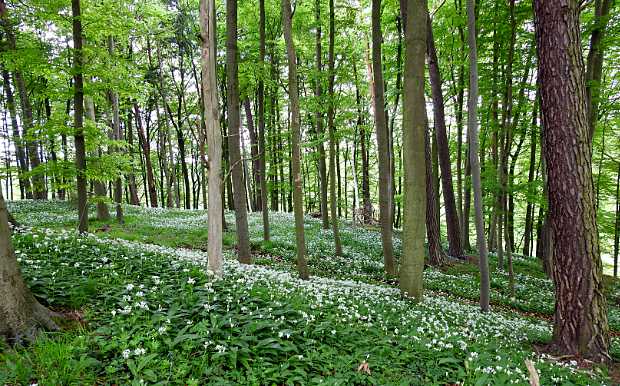
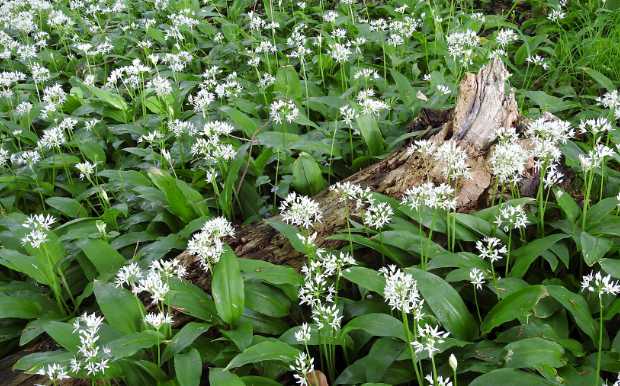
A rare sight: Beech woodland with an extensive stock of Wild Garlic © SPA
In autumn 2019, we purchased almost 4.0 ha (40,000 m²) of grassland between Gehrden and Siddessen in the Öse valley. It is leased to a farmer under extensive use conditions that exclude the use of artificial fertilisers and restrict haymaking to twice a year on late mowing dates.
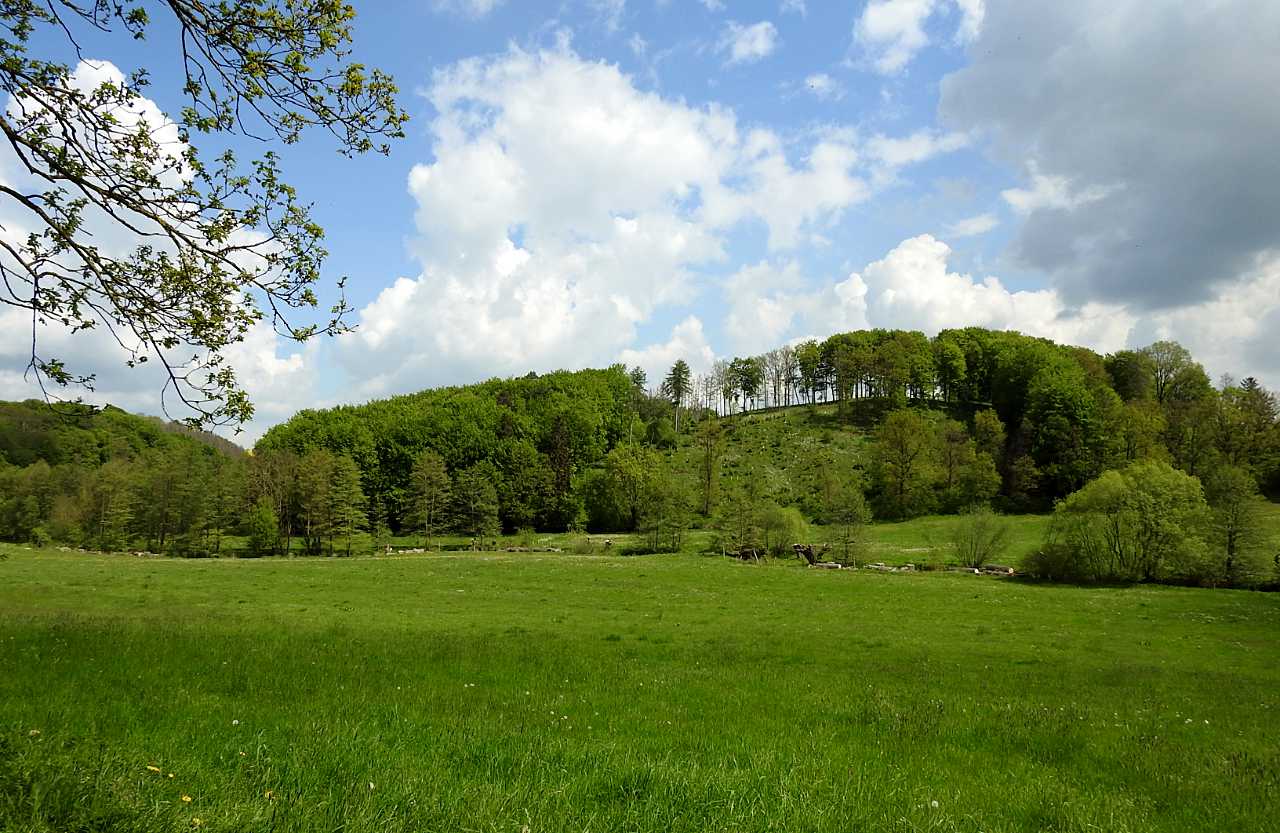
Our grassland plots with a view towards the Immelsberg © SPA
To strengthen the biodiversity of grasses and flowering plants more quickly, we milled the grassland in a strip up to 6 m wide and conducted site-adapted flower meadow sowing.
In the winter of 2020/2021, all the hybrid poplars were felled, and most of the biomass was deposited as deadwood along the streamside vegetation. With these biotope optimisation measures, the breadth of the brook valley is opened up for birds of prey, and the meadow areas made a more attractive feeding habitat for Grey Heron and Black Stork.
To compensate for the felled hybrid poplars, we have repollared the willow trees along the Öse, which due to lack of light, had densely proliferated (pollard willows) and planted a variety of native wild shrubs as a new riparian fringe.
These measures have created a new habitat biotope element that enables bird and mammal species to forage for food and migrate safely along the stream and through the valley!
We plan to restore the valley to its original cultivated land biotope character. We aim to see wild orchids blooming again on the valley's dry slopes, the Red Kite circling above the meadow valley, and Grey Partridge, Red-backed Shrike and Black Stork provided with a consistently protected and food-rich habitat.
Red Kite, Black Stork, Red-backed Shrike, Pied Flycatcher, Brown Trout, Brook Lamprey
Black Stork
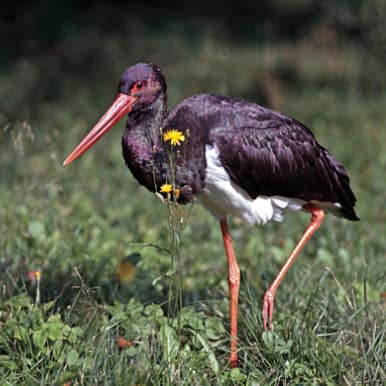
© L. Hlasek
Red-backed Shrike
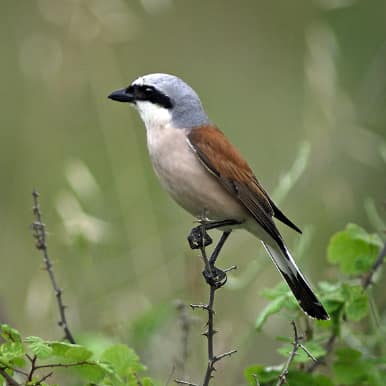
© Leo/fokus-natur
Pied Flycatcher
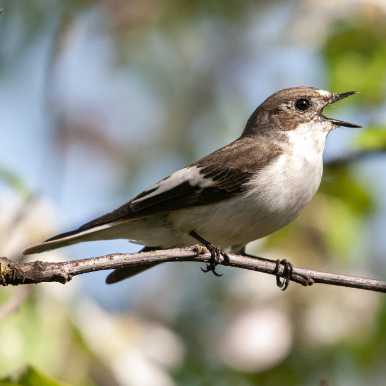
© Leo/fokus-natur
Brown trout

© Leo/fokus-natur
Orange-tip

© SPA
Now rare: Beech forest before the leaves sprout with all native early blossoms.
True Oxlip
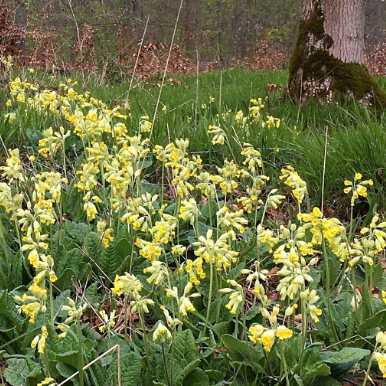
© SPA
Wood Anemone
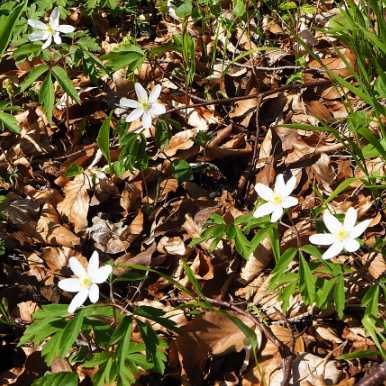
© SPA
Liverwort
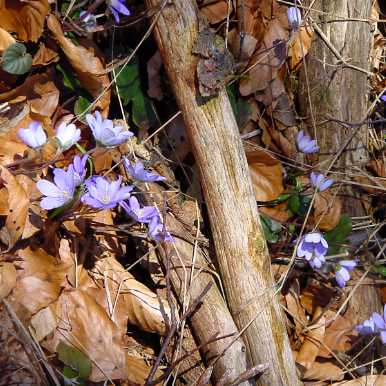
© SPA
Hollowroot
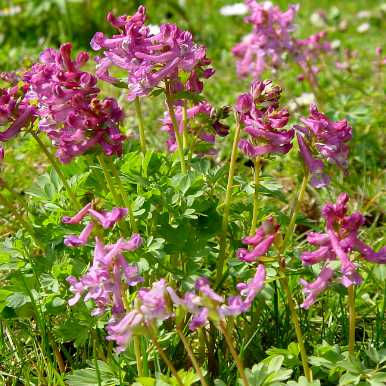
© SPA
Your donation helps us to purchase further ecologically-valuable plots of land.
The information on the copyrights of the images used on this site can be found at Copyrights, unless these are already indicated in or below the image.

Just 30 years ago, Great Egrets were an absolute rarity in Germany. Today, they are a familiar sight in many places. The story of Egret K195 is particularly remarkable: since 2018, it has been turning up time and again in our Frose nature reserve during the summer... more information

Following the successful spring bird conservation camps on Cyprus and the Greek island of Zakynthos, our local bird conservationists in Cyprus are once again standing up to the illegal operations of bird poachers and hunters. Yet again, we need your active support so that we can continue our campaign against the slaughter of migratory birds this autumn ... to the project
Postbank Hannover IBAN: DE47 2501 0030 0905 9063 07 BIC: PBNKDEFF
Stiftung Pro Artenvielfalt Meisenstraße 65 33607 Bielefeld Germany Tel. (0049) 0521 2997-883 / -884 / -889 Fax (0049) 0521 2997-885 Office Mo - Fr. 09.00 to 16.00
Foundation Management team@stiftung-pro-artenvielfalt.org Project Management projekte@stiftung-pro-artenvielfalt.org Donations, Donor Care service@stiftung-pro-artenvielfalt.org
 Donate now