Land acquisition project: Henfstädt
|
|---|

|
Land acquisition project: Henfstädt
|
|---|
|
|
The mountain meadows in semi-arid, nutrient-poor locations are among the most valuable and rarest habitats (biotopes) in Germany. They are in the "Endangered" category on the German Red List.
The colourful blossoms of the Spreading Bellflower, orchids, Pasque Flowers, Carthusian Pink, Meadow Sage, Breckland Thyme, wild Oregano and many other flowering plants that are specialists in nutrient-poor and arid locations are a real feast for the eyes!
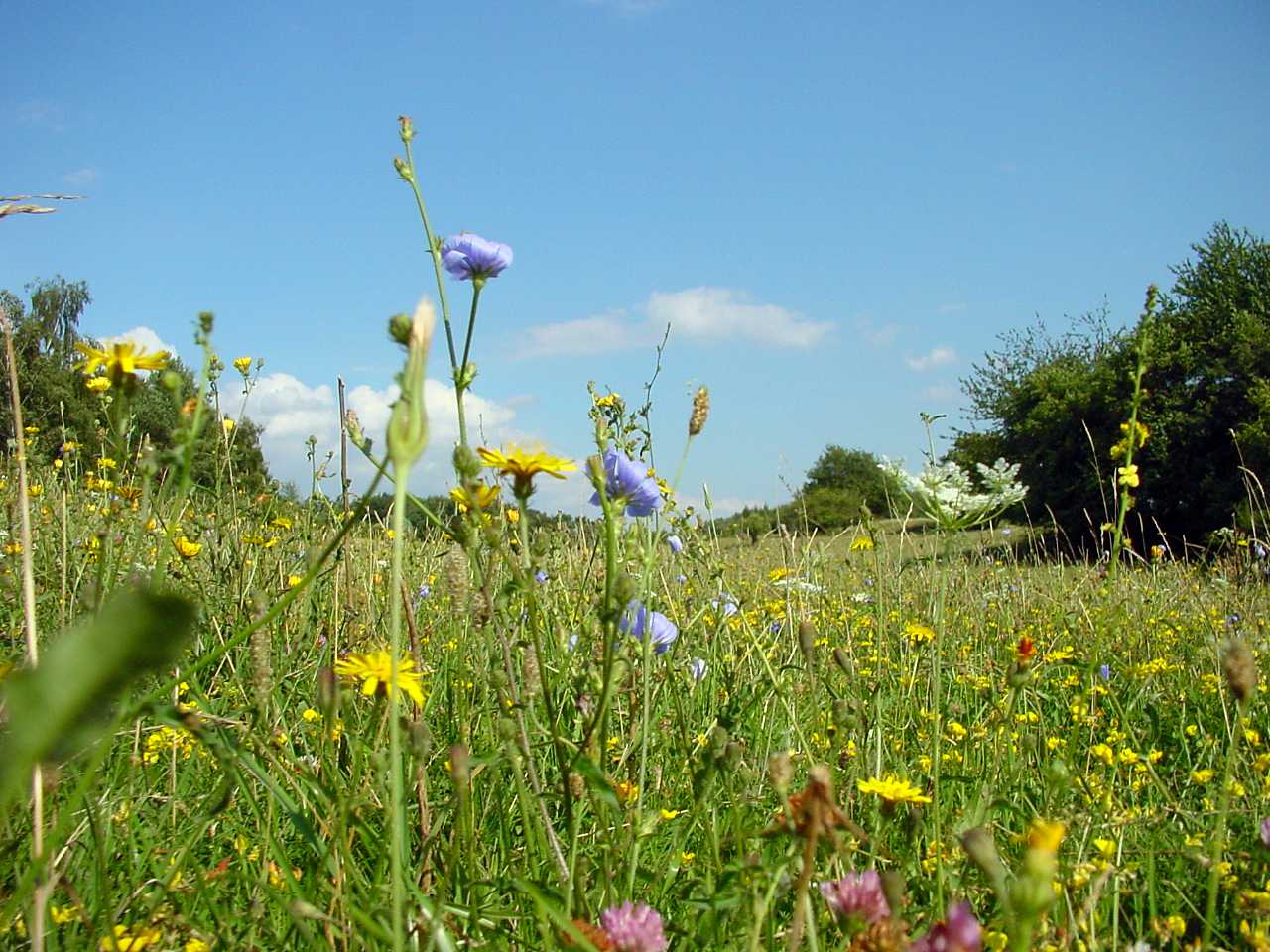
Species-rich wildflower meadow in a dry, nutrient-poor location © SPA
More than 300 species of butterflies, diurnal and nocturnal moths, many of them endangered, use this variety of flowers as a food source. The large juniper bushes and wild herbs give off their scent in the summer heat... a nature and species paradise that is second to none!
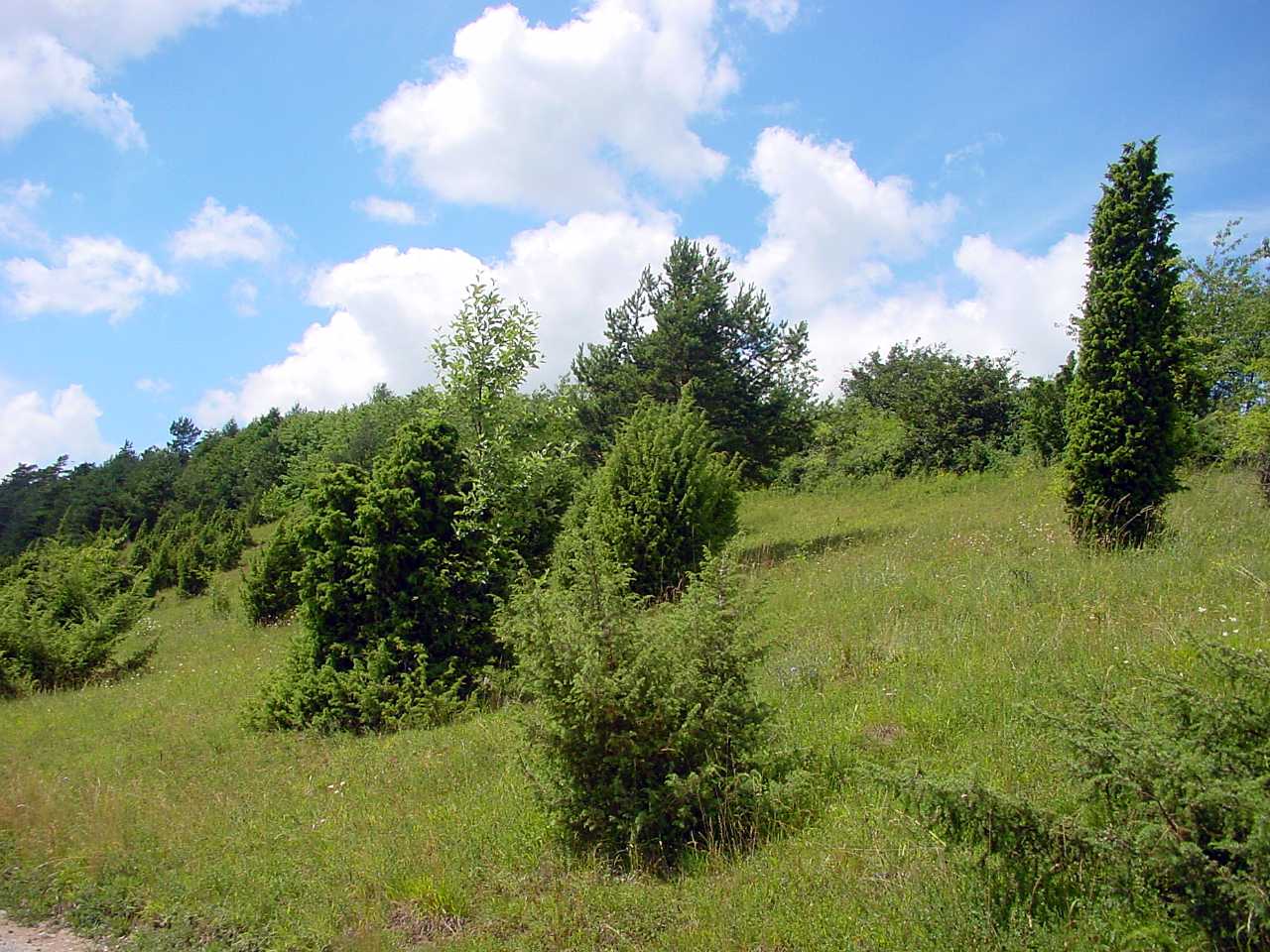
Dry Juniper slope owned by the Foundation © SPA
As in many places in Germany, the nutrient-poor mountain flower meadows in the Wachental near Henfstädt, flooded with light and warmth, are being damaged by inconsiderate and invasive mountain bike and motocross leisure activities.
Since the Weißbachtal Agricultural Cooperative in Henfstädt stopped its business operations, including itinerant sheep herding, the annual sheep and goat grazing in the Wachental also ended, and succession vegetation with bushes and trees has taken over, crowding the open juniper slopes.
The increasing encroachment of this nutrient-poor hillside meadow biotope with Sloe and Dog Rose, the start of forestation by Pine, Spruce and Field Maple and fertilisation from the air are gradually completing the ruination of this nutrient-poor biotope. This transformation is to the detriment of the biotope’s variety of flowering plants and the reptiles, insects and bird species that specialise in these warm open countryside biotopes without extensive grazing!
Even the long, recent dry periods of the past three years and the declining precipitation have not weakened the vitality of the trees, which are well adapted to nutrient-poor and semi-arid locations.
The intensified use of the countryside in the southern Thuringian Forest has left nature with only a few small, unused open areas. Preserving these few still-existent, nutrient-poor juniper biotopes and protecting their highly specialised flora and fauna is not only in the interest of insect experts but for all of us for the benefit of the greater diversity of species.
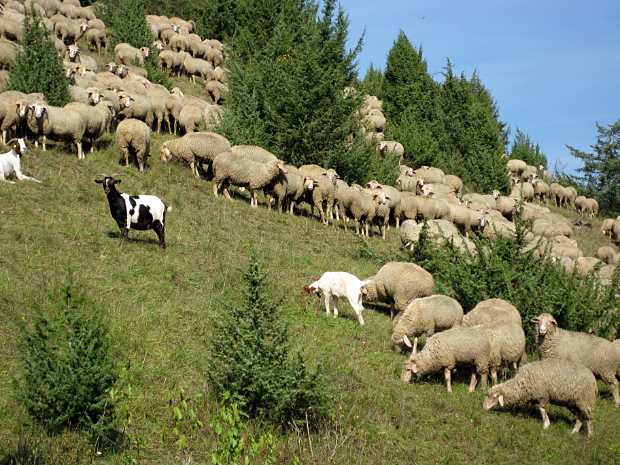
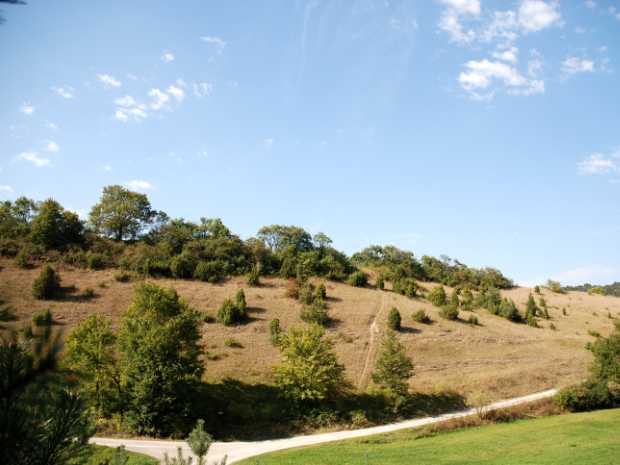
Our aim: To restore the open juniper slopes by sheep and goat herd grazing © SPA
In 2010, we battled for four months to acquire the ecologically unique and valuable mountain flower meadows in the southern Thuringian Forest. In May 2010, we finally signed the purchase contract and thus secured a 5.9 ha slope area with the 3.4 ha nutrient-poor juniper meadow area on a steep slope.
To end the progressing vegetation succession there and restore the juniper slope-open countryside character of this biotope, which is highly worthy of protection, we plan to start extensive biotope rehabilitation measures. These include the extensive clearance of emerging trees such as the Sloe and the removal of the Spruce, Pine and deciduous trees that now grow in the meadow areas.
For the first time in many years, extensive grazing by a flock of sheep and goats once again took place in autumn 2022. Unfortunately, it is foreseeable that the shepherding company, following the nationwide trend, will sooner or later end the very labour-intensive silvopasture (grazed woodland) practice. We are therefore examining urgently alternative grazing concepts.
Red-backed Shrike, Yellowhammer, Swallowtail butterfly, Six-spot Burnet, Sand Lizard (German Red List status: endangered), Viviparous Lizard (German Red List status: endangered),
Common Juniper, Orchids, Gentian, Pasque flower, Bellflowers.
Red-backed Shrike
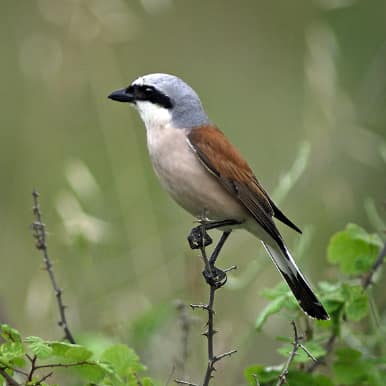
© Leo/fokus-natur
Yellowhammer
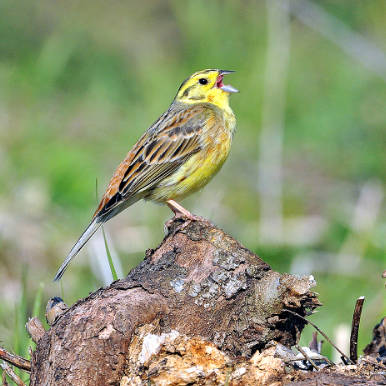
© L. Hlasek
Sand Lizard
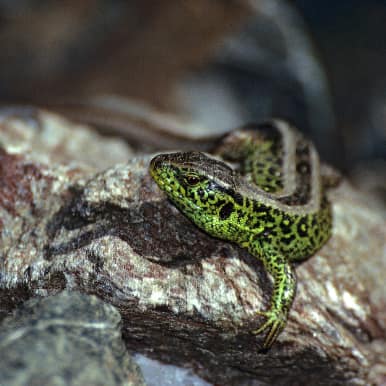
© Leo/fokus-natur
Marbled White
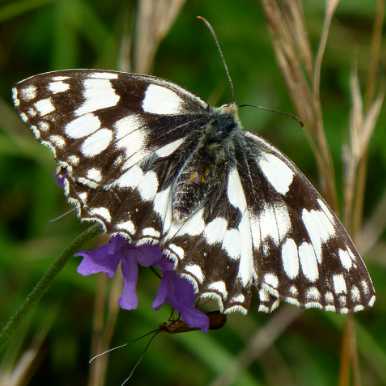
© SPA
Six-spot Burnet
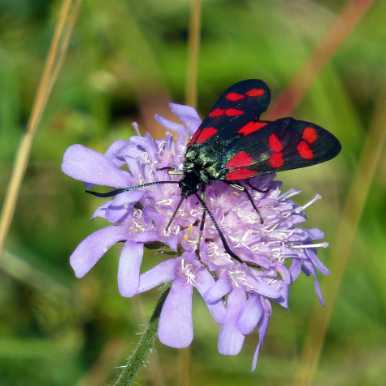
© SPA
Swallowtail
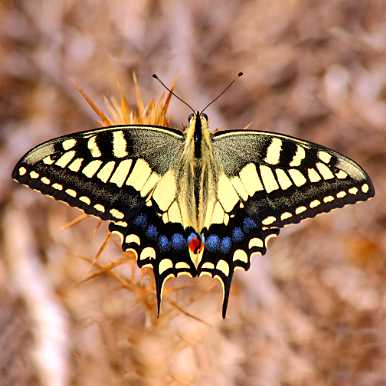
© SPA
Meadow Crane's-bill
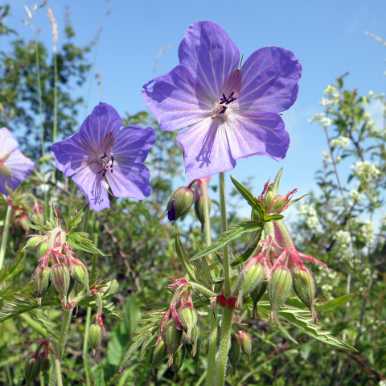
© SPA
Bellflower
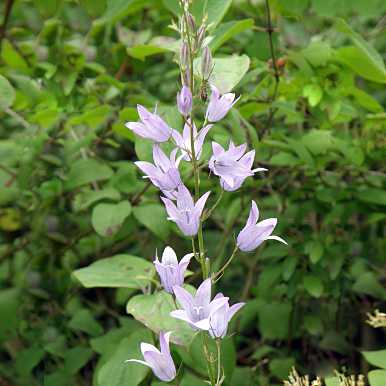
© SPA
Pasque Flower
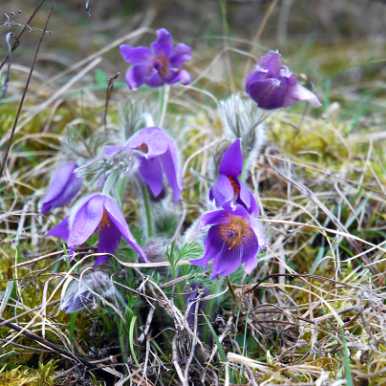
© SPA
Please help us with your donation so that we can finance and carry out the urgently necessary and comprehensive landscape maintenance measures.
The information on the copyrights of the images used on this site can be found at Copyrights, unless these are already indicated in or below the image.

Just 30 years ago, Great Egrets were an absolute rarity in Germany. Today, they are a familiar sight in many places. The story of Egret K195 is particularly remarkable: since 2018, it has been turning up time and again in our Frose nature reserve during the summer... more information

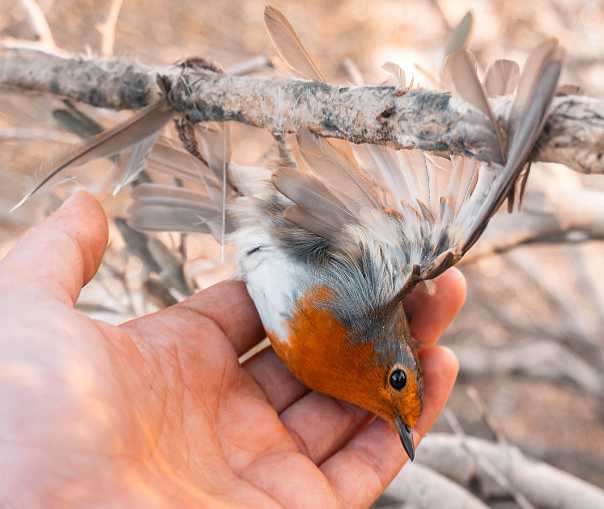
Following the successful spring bird conservation camps on Cyprus and the Greek island of Zakynthos, our local bird conservationists in Cyprus are once again standing up to the illegal operations of bird poachers and hunters. Yet again, we need your active support so that we can continue our campaign against the slaughter of migratory birds this autumn ... to the project
Postbank Hannover IBAN: DE47 2501 0030 0905 9063 07 BIC: PBNKDEFF
Stiftung Pro Artenvielfalt Meisenstraße 65 33607 Bielefeld Germany Tel. (0049) 0521 2997-883 / -884 / -889 Fax (0049) 0521 2997-885 Office Mo - Fr. 09.00 to 16.00
Foundation Management team@stiftung-pro-artenvielfalt.org Project Management projekte@stiftung-pro-artenvielfalt.org Donations, Donor Care service@stiftung-pro-artenvielfalt.org
 Donate now