Land acquisition project: The Hirschgrund near Oberlungwitz
|
|---|

|
Land acquisition project: The Hirschgrund near Oberlungwitz
|
|---|
|
|
The Hirschgrund (Deer Park), near Oberlungwitz, an approximately 400-hectare conservation area consisting of wet meadows, grassland slopes, floodplain, and mixed woodland, is located amid the hilly landscape of West Saxony, which is intensively used for agriculture. The area, a meadow valley, is some 1 km long and up to 200 m wide and is traversed by the Hirschgrundbach stream.
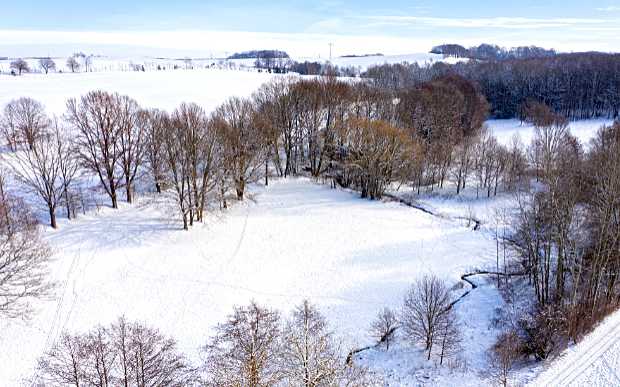
The Hirschgrund near Oberlungwitz in winter © F. Leo
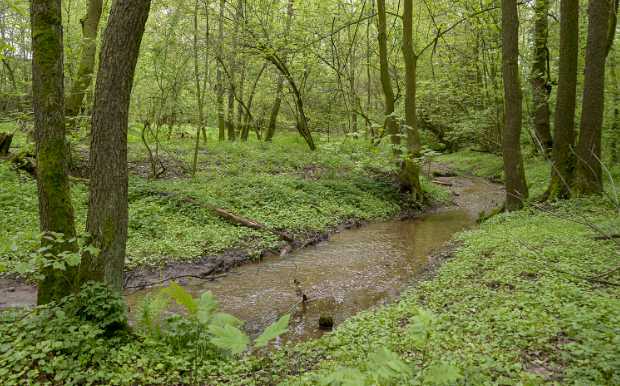
The crystal clear Hirschgrundbach © F. Leo
The previous protection of the still reasonably natural and complex landscape structures in the Hirschgrund resulted from the decades-long use of the meadow valley for regional drinking water production. However, despite the landscape protection area status, this protection was gradually lost due to the restructuring of the drinking water supply to long-distance water and the almost simultaneous planned termination of the prior agricultural land use.
As a result of the change in land management, the extensive usage of the Hirschgrund stream floodplain for more intensive forms of local recreation and leisure activities by the public increased.
In collaboration with local stakeholders, the Foundation Pro Biodiversity (SPA) developed a concept to redress this nationwide trend of unrestricted use of the countryside for Leisure activities in the Hirschgrund in a form compatible with the landscape, nature and species diversity. The concept, for a future-oriented use of the countryside and a species protection plan unique for the state of Saxony, was created with the cooperation of a local project partner, the landscape conservation association Westsachsen e.V. (LPV), Neukirchen/Pleiße the involvement of the city of Oberlungwitz and the agricultural cooperative Lungwitztal eG. This plan thus effectively enforces the legal regulations of the existing nature conservation area status:
In 2022, in fulfilment of our statutory mandate for the conservation of endangered wild animal species and their habitats, the Foundation, in a first land purchase tranche of 24 ha (240,000 m2), purchased the core areas of the Hirschgrund valley and its eastern slopes from the agricultural cooperative Lungwitztal eG. This purchase was the first step in ensuring the sustainable protection and implementation of the project
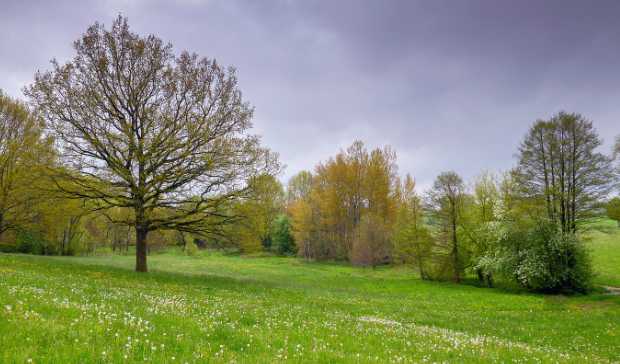
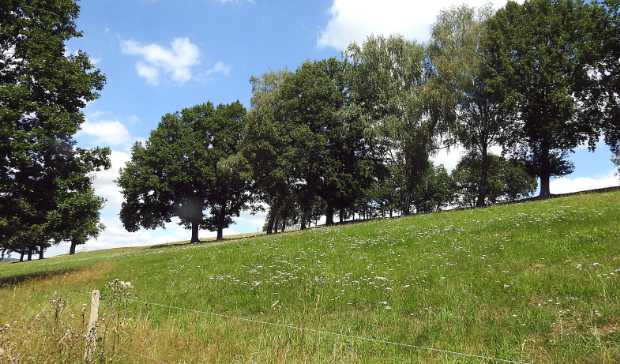
View of the Hirschgrund valley (© F. Leo) and the grassland slopes to the east (© SPA)
At the beginning of 2023, after extensive land plot separation measurements, the Foundation purchased a further 6.0 ha (60,000 m2) of grassland from the Lungwitztal eG. agricultural cooperative, including two ponds and newly afforested woodland areas on the west side of the Hirschgrund. With a total area of around 30 ha (300,000 m2) of structurally rich land, the Foundation is creating an area of countryside extensive enough to promote regeneration and for new colonisation by animal and plant species that have long since disappeared elsewhere.
Thanks to financial project support from the state of Saxony from the "Sustainably out of the Crisis" funding programme, the Foundation Pro Biodiversity, and the Western Saxony Landscape Conservation Association e.V. were able to implement essential nature conservation project measures promptly as project stakeholders. The measures included planting almost 6,500 native wild shrubs such as Hazel, Guelder Rose, Common Spindle and Hawthorn, and drought-resistant tree species such as Oak, Field Maple, Wild Cherry, Service Tree, Whitebeam and Checker Tree. Other measures are the construction of an approximately 6 km long electric fence system for the planned extensive year-round open land grazing in Hirschgrund and the creation of an interactive nature trail with 12 attractive information boards. A start was also made on converting a some 3-hectare area of arable land on the hilltop of the Hirschgrund to the east into a meadow area rich in species and flowers. A process of change that will take several years.
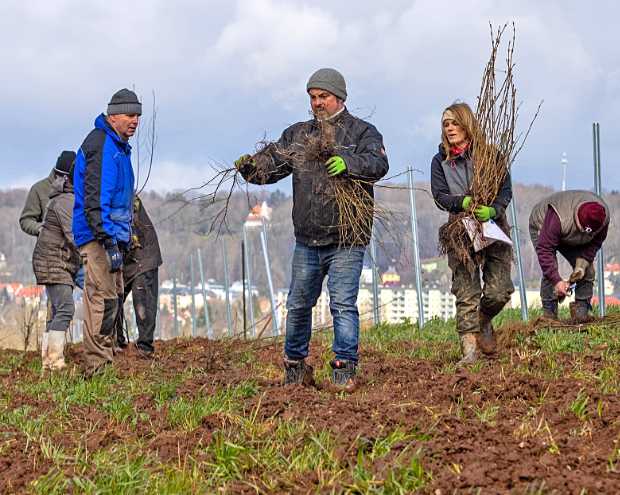
Planting of new hedges in the Hirschgrund © M. Pfeifer
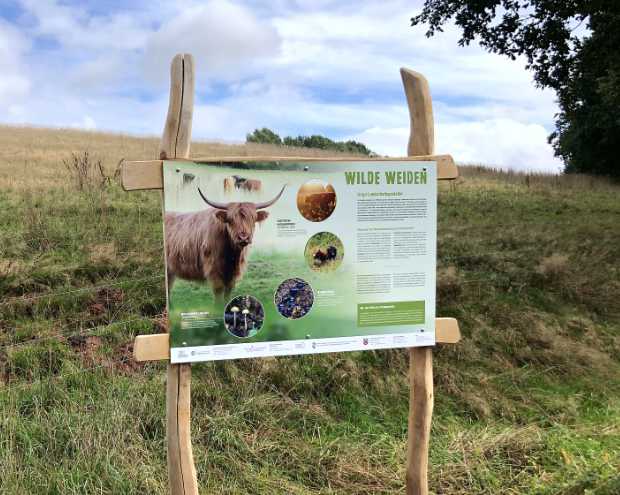
Information board on "Wild Pastures"“ © SPA
Just as the Hirschgrundbach is the backbone for the new wilderness project, the central hiking trail on the east side of the Hirschgrund valley will become an attractive nature adventure path over the entire length of the project area. In the future, as it is continuously redesigned, it will offer the eyes and ears of passers-by ever-changing impressions of the constant landscape change from a cultural landscape to a new natural countryside extensively grazed by Scottish Highland Cattle.
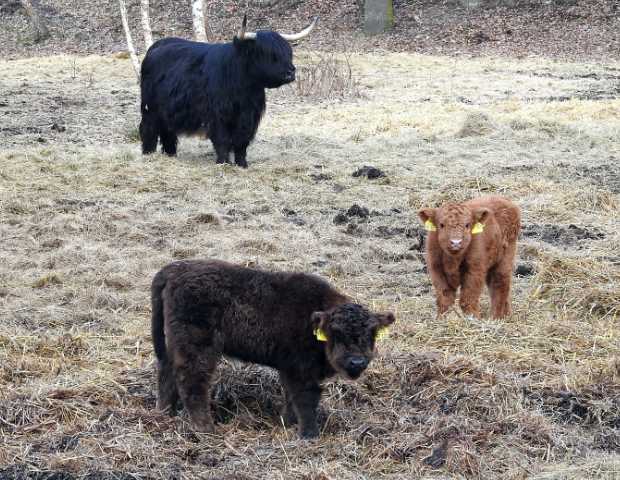

Highland Cattle – from ‘childhood’ onwards, effective natural landscape architects © SPA & M. Werner
In the Rural District of Zwickau (Saxony), new 'wild pastures' are formed and created by this particularly robust, semi-wild cattle breed that lives on the meadows all year round. With their species-specific lifestyle, Scottish Highland Cattle will naturally change the meadow landscape to benefit flora and fauna biodiversity, thus creating a new wilderness. The alluvial woodland will become sparser and admit more light, the stream bed wider and its banks less steep, and vegetation of different heights will thrive in the meadows.
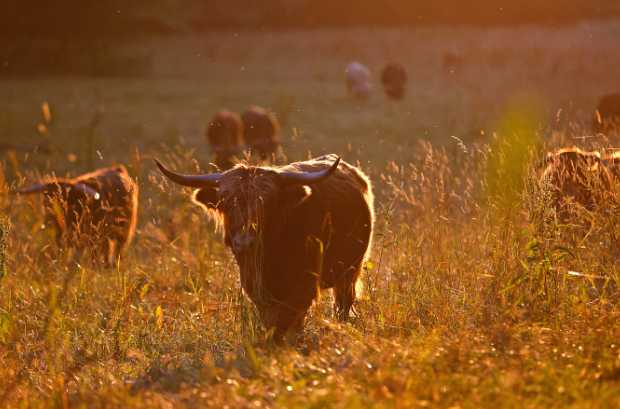
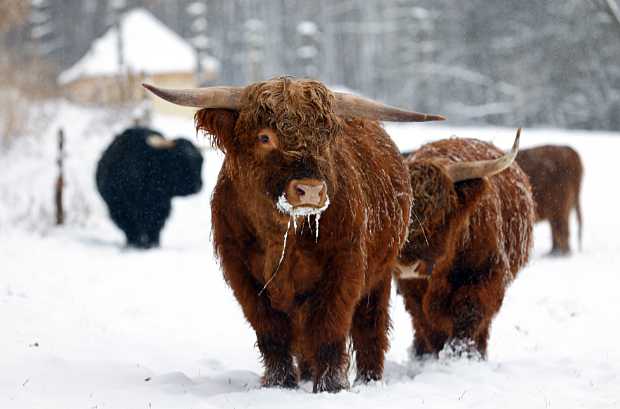
Scottish Highland Cattle live in the countryside throughout the year © M. Pfeifer
As a beneficial consequence of this open-land grazing, ecologically valuable feeding, reproduction and wintering habitats and biotope niches are created for many animal species, including those that have long since disappeared elsewhere.
As early as late autumn 2022, those seeking local recreation could see for themselves how valuable even the dung heaps of the Highland Cattle are for biodiversity. Starlings, White Wagtails, Green Woodpeckers, Common Frogs, Grass Snakes and Hedgehogs use these insect-rich dung heaps as feeding sites. In this way, people interested in nature can observe the beginning of the natural cycle of nature, which is slowly gaining momentum again in the Hirschgrund.
An extensive network of self-explanatory information boards will provide information for recreational visitors to the Hirschgrund. These will provide information on the occurrence of local animal and plant species and those expected because of continuing development. The former pump room, also purchased by the Foundation, has now been converted into a species protection and information centre. These display boards are supplemented by QR codes, enabling recreational visitors to the planned nature adventure trail to call up more detailed information on their smartphones.
Red Kite, Common Kingfisher, Golden Oriole, Yellowhammer, Eurasian Skylark, Western Yellow Wagtail, Lesser Spotted Woodpecker, Lesser Purple Emperor, Lesser Marbled Fritillary, Ruddy Darter, Banded Demoiselle, Eurasian Otter, Grass Snake, European Spadefoot Toad
Red Kite
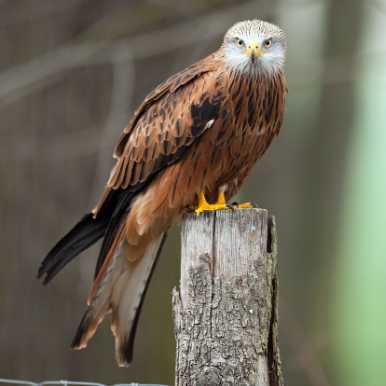
© Pröhl/fokus-natur
Common Kingfisher
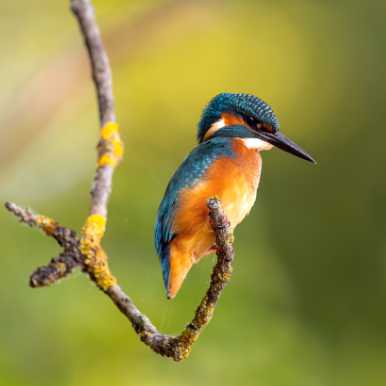
© A. Kneifel
Eurasian Skylark
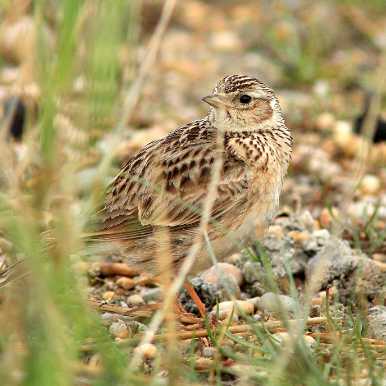
© FotoNatur
Eurasian Otter

© Leo.fokus-natur
Grass Snake
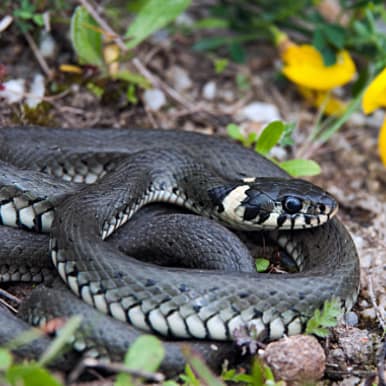
© Leo/fokus-natur
European Spadefoot Toad
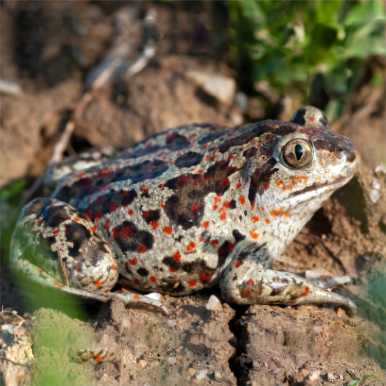
© Leo.fokus-natur
Lesser Purple Emperor

© J. Halbauer
Ruddy Darter
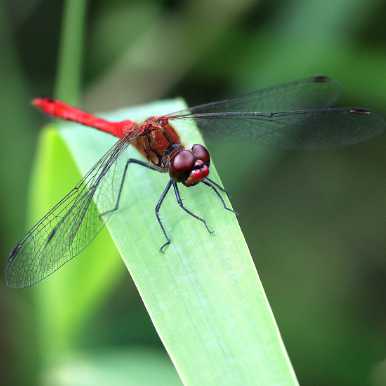
© J. Halbauer
Banded Demoiselle
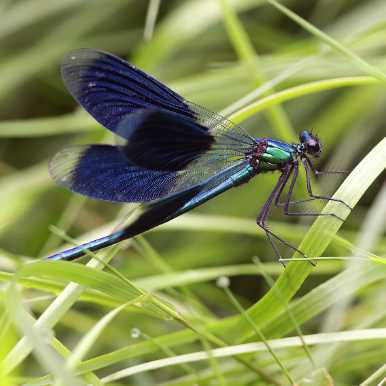
© J. Halbauer
Your donation helps us to purchase further ecologically-valuable plots of land.
The information on the copyrights of the images used on this site can be found at Copyrights, unless these are already indicated in or below the image.

Just 30 years ago, Great Egrets were an absolute rarity in Germany. Today, they are a familiar sight in many places. The story of Egret K195 is particularly remarkable: since 2018, it has been turning up time and again in our Frose nature reserve during the summer... more information

Following the successful spring bird conservation camps on Cyprus and the Greek island of Zakynthos, our local bird conservationists in Cyprus are once again standing up to the illegal operations of bird poachers and hunters. Yet again, we need your active support so that we can continue our campaign against the slaughter of migratory birds this autumn ... to the project
Postbank Hannover IBAN: DE47 2501 0030 0905 9063 07 BIC: PBNKDEFF
Stiftung Pro Artenvielfalt Meisenstraße 65 33607 Bielefeld Germany Tel. (0049) 0521 2997-883 / -884 / -889 Fax (0049) 0521 2997-885 Office Mo - Fr. 09.00 to 16.00
Foundation Management team@stiftung-pro-artenvielfalt.org Project Management projekte@stiftung-pro-artenvielfalt.org Donations, Donor Care service@stiftung-pro-artenvielfalt.org
 Donate now