Land acquisition project: Jülchendorfer Trockenhänge Nature Reserve
|
|---|

|
Land acquisition project: Jülchendorfer Trockenhänge Nature Reserve
|
|---|
|
|
The Trockenhänge bei Jülchendorf und Schönlager See Nature Reserve, 104.0 ha in size, is located between the towns of Schönlage and Jülchendorf and includes areas of the National Natural Heritage Germany.
The area of dry slopes near Jülchendorf, formed by the Vistula Ice Age (57,000 - 15,000 BC), together with the Schönlager See, includes a richly structured dune landscape with sandy grassland, lightly wooded islands and wetlands in the dune valleys.
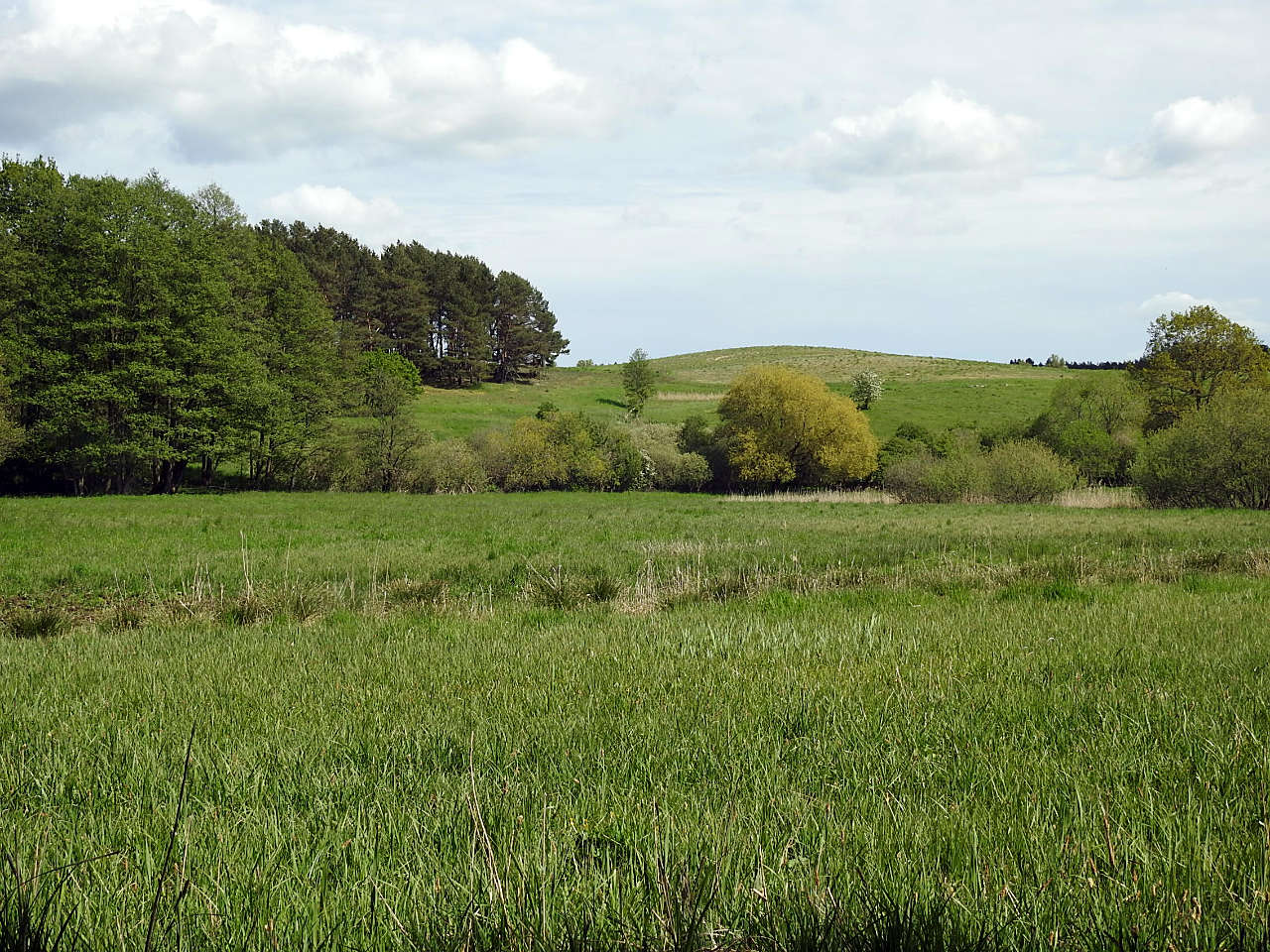
Our property plots in the Jülchendorfer Trockenhänge nature reserve © SPA
Because the areas are classified as agricultural land, the current EU area premium strategy obliges farmers to plough up the dry slopes, which are populated by nature and its adapted flora, every five years. This effectually means that every half-decade, the EU agricultural policy requires a collapse in biodiversity on the dry slopes.
The repeated attempts by farmers to grow maize on the dry sand dune slopes, using high doses of fertiliser and pesticides, are in sharp contradiction to the statutory protection goals.
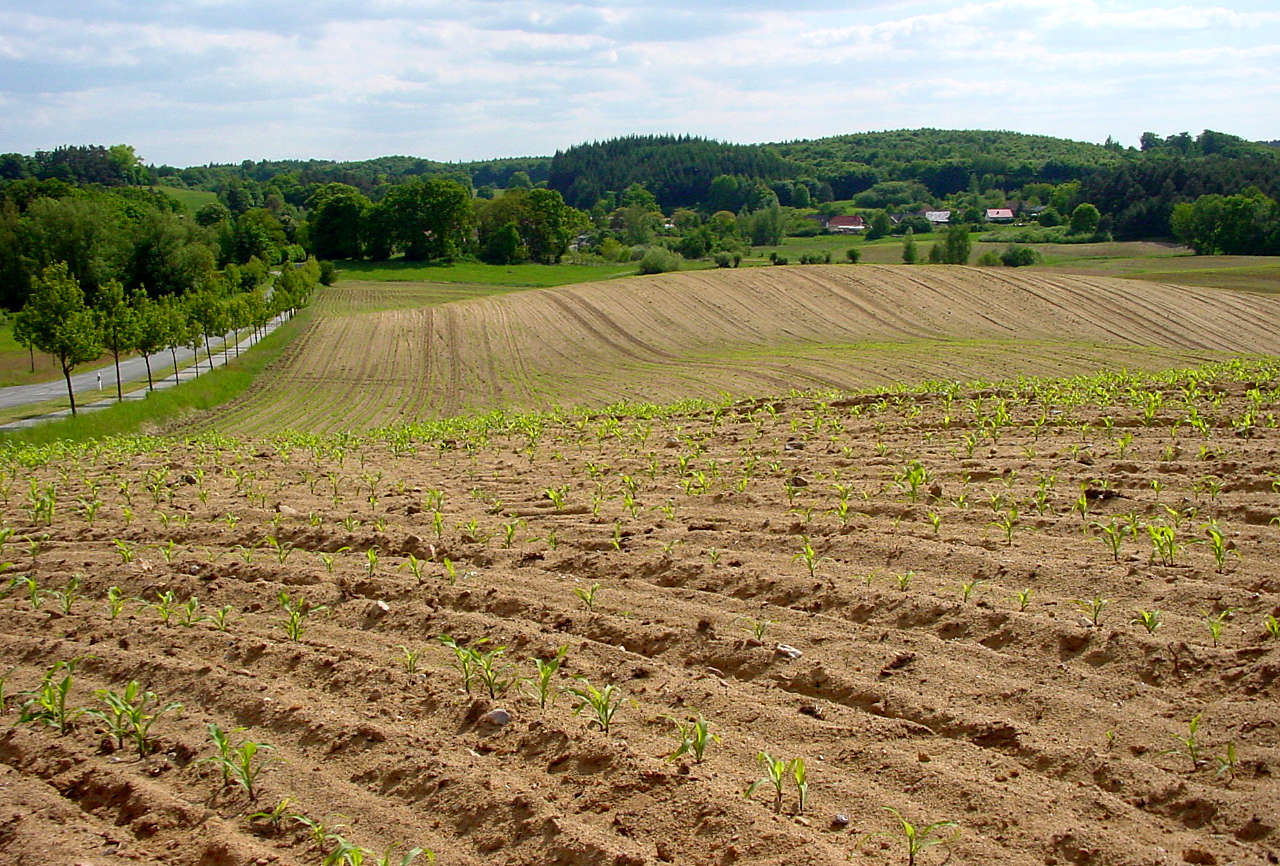
Dry slope near Jülchendorf used intensively for growing maize © SPA
The nature reserve was placed under protection in 2000, with the purpose of preserving, maintaining and developing a strongly surface-moved area, with a mosaic of nutrient-poor grassland, lightly wooded islands and wetlands with typical wildlife and plant species.
The long-term policy of keeping the sunlit dune areas clear of invasive vegetation through extensive use, is one of the principal development goals. Many rare grasshoppers, butterflies, ground beetles, spiders, birds and many endangered plant species and plant communities find a valuable habitat here.
Beavers and otters are still at home in the wet stream meadows, in the dune valley streams, and the lakeshore areas of the Schönlager See.
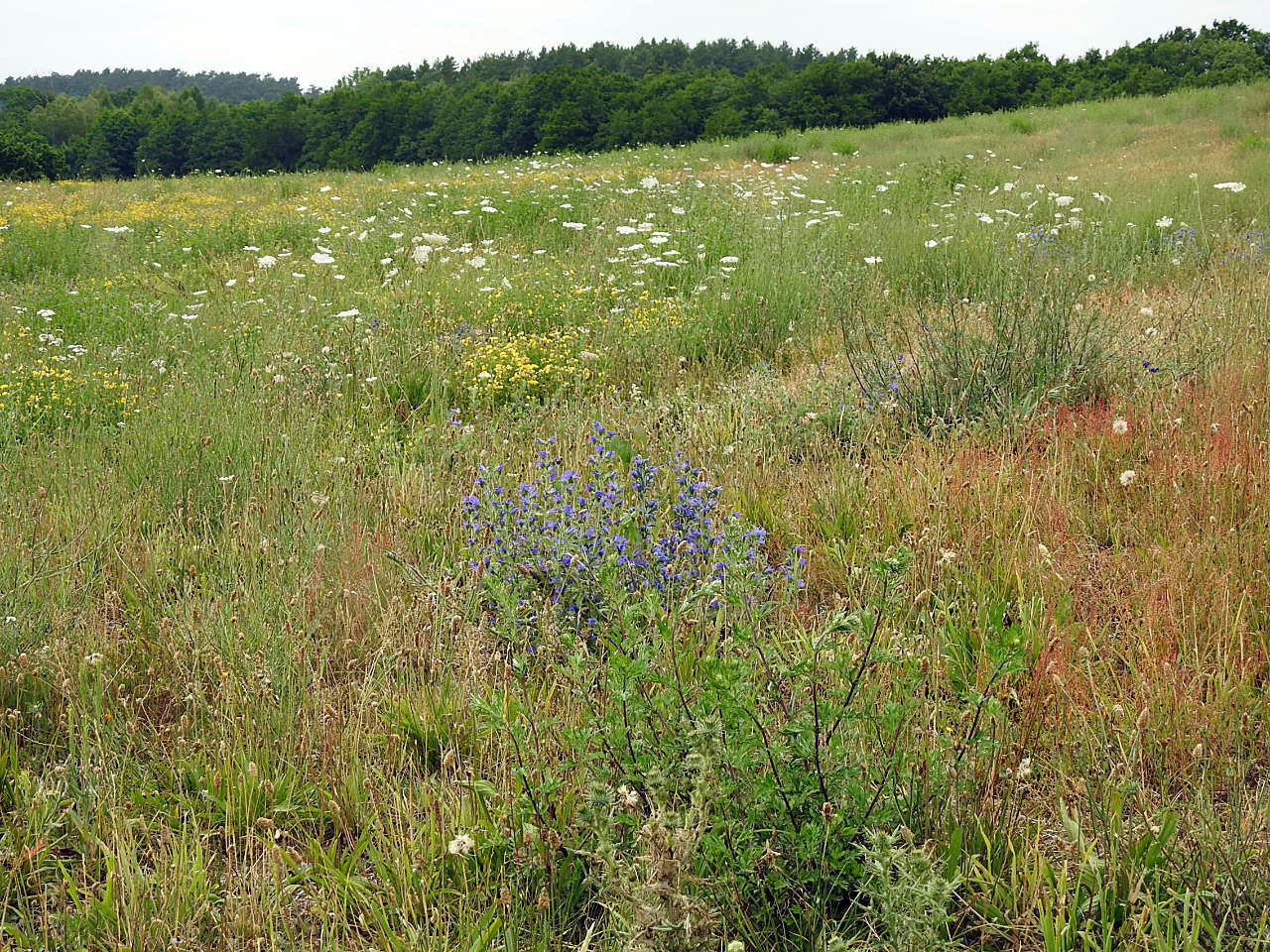
Natural blossom-rich sand dune vegetation © SPA
The framework agreement signed on 4 February 2010 with the Federal Ministry for the Environment in Berlin, for the free transfer of ownership of land to our Foundation, also includes 20.0 ha (200,000 m²) of ecologically valuable sub-areas of the Trockenhänge bei Jülchendorf nature reserve. Our Foundation has taken on comprehensive contractual responsibility for their conservation and habitat-adapted care.
These National Natural Heritage areas, together with the 11.0 ha of land we purchased in 2020, are leased to an organic farming family for cattle grazing. After years of tests, the highly sensitive soil surface of the nutrient-poor dune grassland is now grazed and kept clear of invasive vegetation by yaks, a Tibetan highland cattle species. Yaks are used to a sparse vegetable diet and also feed on the dry and woody parts of plants.
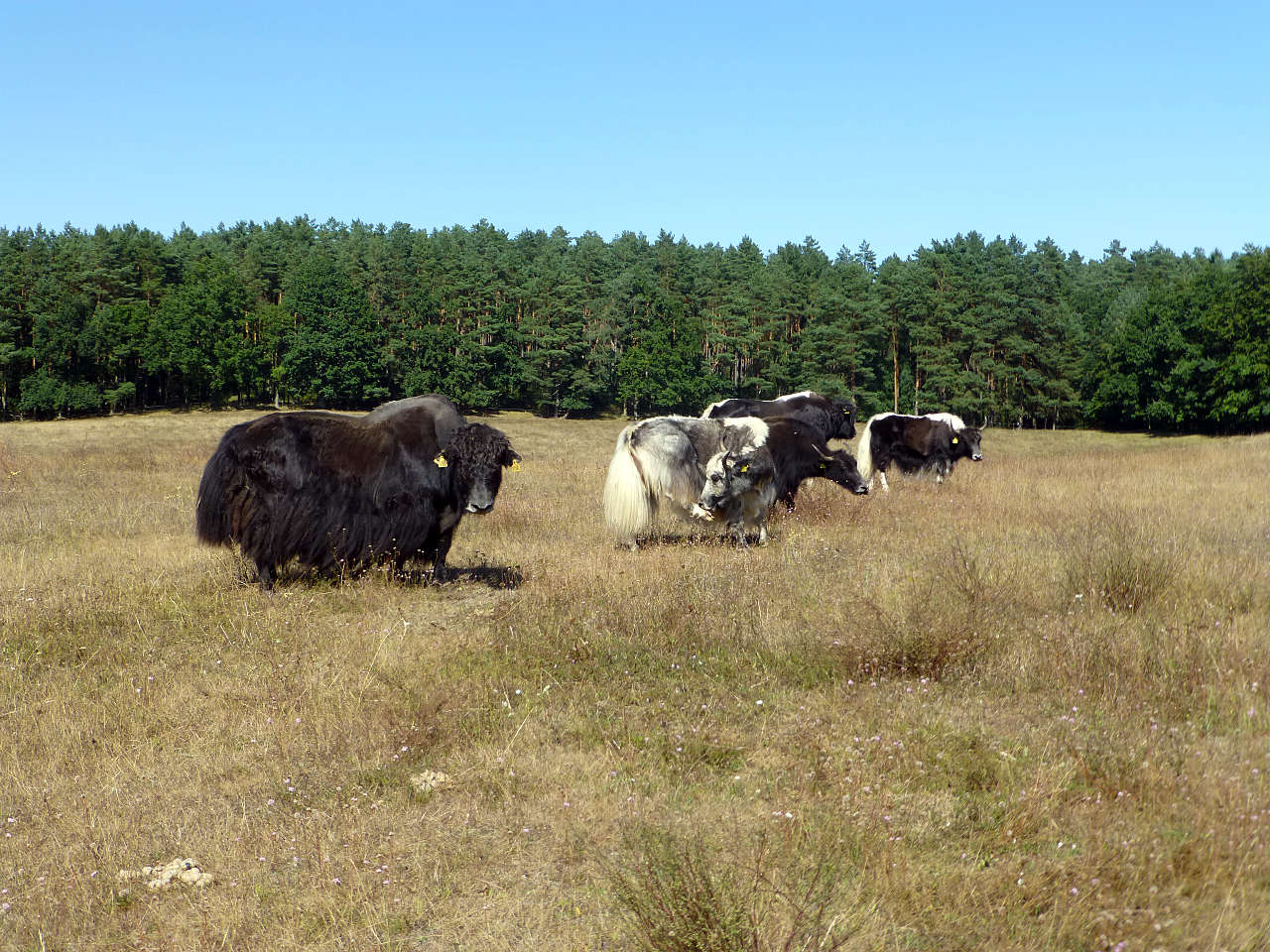
Landscape maintenance by yaks © SPA
The yaks, with their wide hooves, are ideal for the protection of the sensitive surface of the nutrient-poor grassland. They also cohabitate well and defensively with the wolves that are resettling the region and are well capable of defending themselves.
We are currently trying to buy additional plots of land.
Red-backed Shrike, Woodlark, Green Tiger Beetle, Blue-winged Grasshopper
Red-backed Shrike
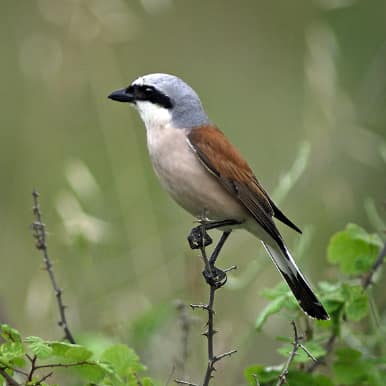
© Leo/fokus-natur
Crested Lark
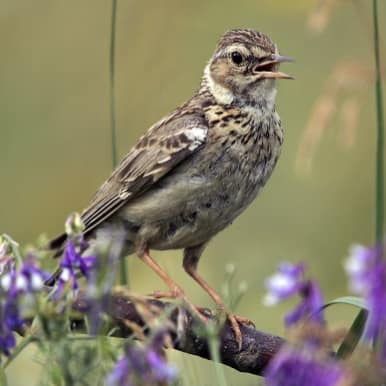
© Pröhl/fokus-natur
Yellowhammer
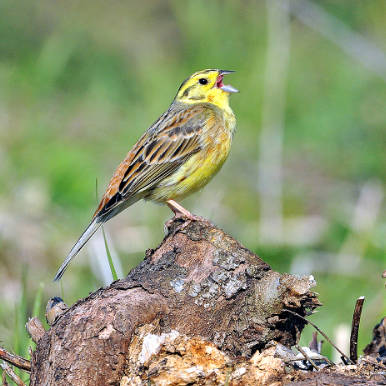
© L. Hlasek
Green Tiger Beetle

© Leo/fokus-natur
Blue-winged Grasshopper
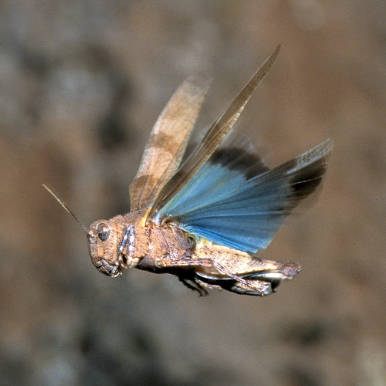
© Pröhl/fokus-natur
Dwarf Everlast

© SPA
European field pansy
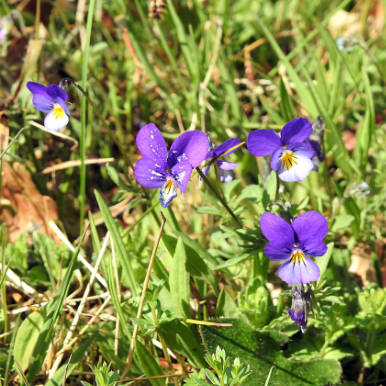
© SPA
Your donation helps us to purchase further ecologically-valuable plots of land.
The information on the copyrights of the images used on this site can be found at Copyrights, unless these are already indicated in or below the image.

Just 30 years ago, Great Egrets were an absolute rarity in Germany. Today, they are a familiar sight in many places. The story of Egret K195 is particularly remarkable: since 2018, it has been turning up time and again in our Frose nature reserve during the summer... more information

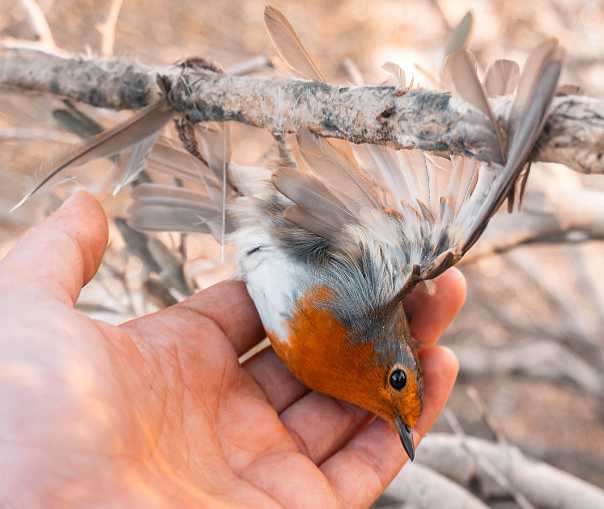
Following the successful spring bird conservation camps on Cyprus and the Greek island of Zakynthos, our local bird conservationists in Cyprus are once again standing up to the illegal operations of bird poachers and hunters. Yet again, we need your active support so that we can continue our campaign against the slaughter of migratory birds this autumn ... to the project
Postbank Hannover IBAN: DE47 2501 0030 0905 9063 07 BIC: PBNKDEFF
Stiftung Pro Artenvielfalt Meisenstraße 65 33607 Bielefeld Germany Tel. (0049) 0521 2997-883 / -884 / -889 Fax (0049) 0521 2997-885 Office Mo - Fr. 09.00 to 16.00
Foundation Management team@stiftung-pro-artenvielfalt.org Project Management projekte@stiftung-pro-artenvielfalt.org Donations, Donor Care service@stiftung-pro-artenvielfalt.org
 Donate now