Land acquisition project:
Seeländereien bei Frose
|
|---|

|
Land acquisition project:
Seeländereien bei Frose
|
|---|
|
|
The approx. 75.0 ha large wetland complex Seeländereien bei Frose in the Salzland district, Saxony-Anhalt is located centrally in intensively used farmland countryside. It has been a protected biotope since 2012 under the relevant nature conservation regulations.
After years of dehydration due to the two opencast lignite mines operating nearby until German reunification, the wetland complex owes its re-emergence to the closure of the opencast mines and the pumping stations.
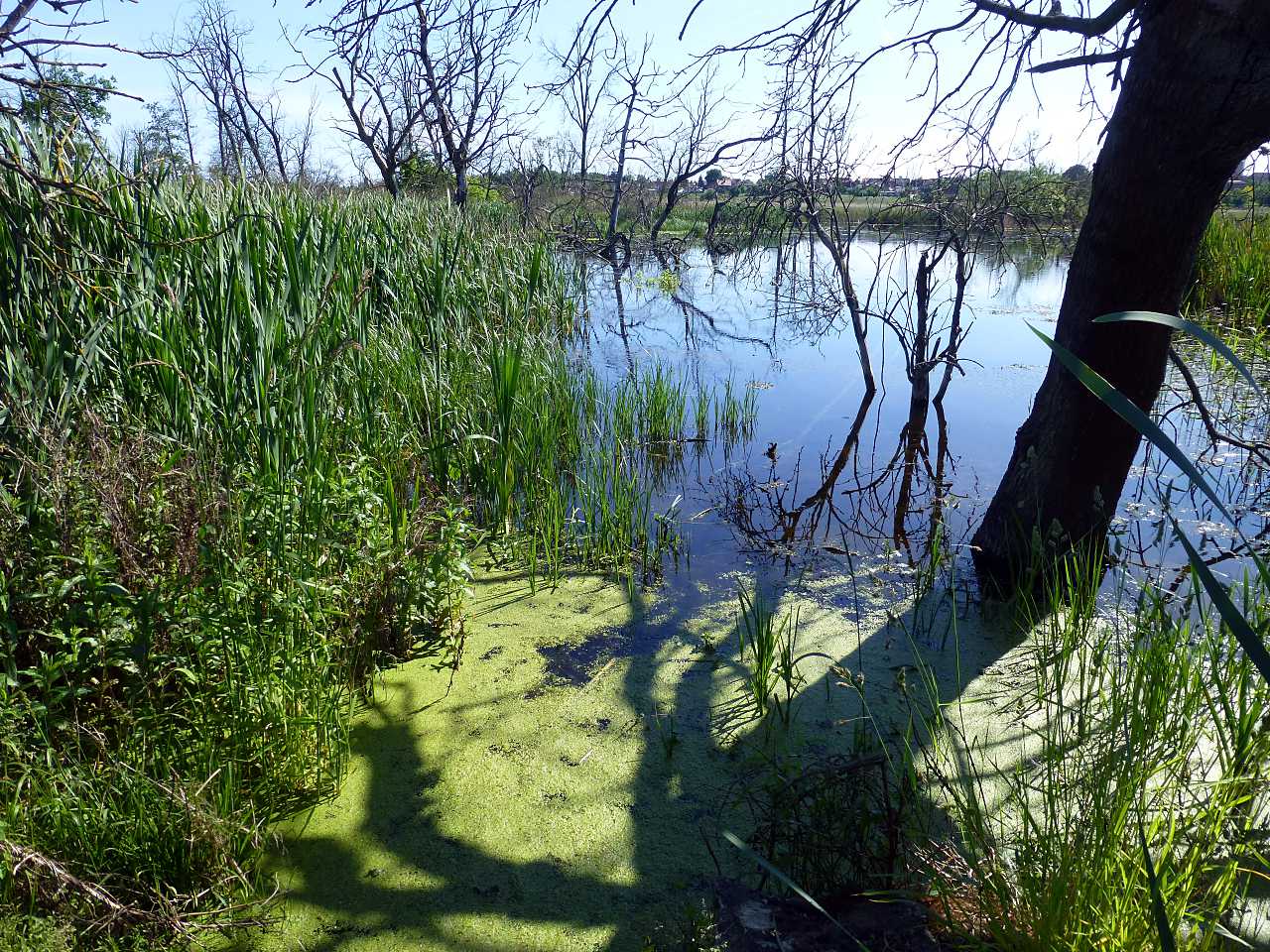
Biotope complex Seeländereien bei Frose with the Foundation's own Zuckerbusch plot © SPA
As a result of climate change, the structures of the wetland and the range of occurring wildlife species vary as the transformation of the wetland takes place. In extreme cases, the wetland becomes a wet to dry grass and scrubland with new varieties of wildlife species adapting to it... this is pure natural dynamics!
The wetland may also be affected by the planning of the responsible regional water engineering authority for the improvement (expansion) of the main drainage ditch that borders the wetland biotope over a length of some 600 m.
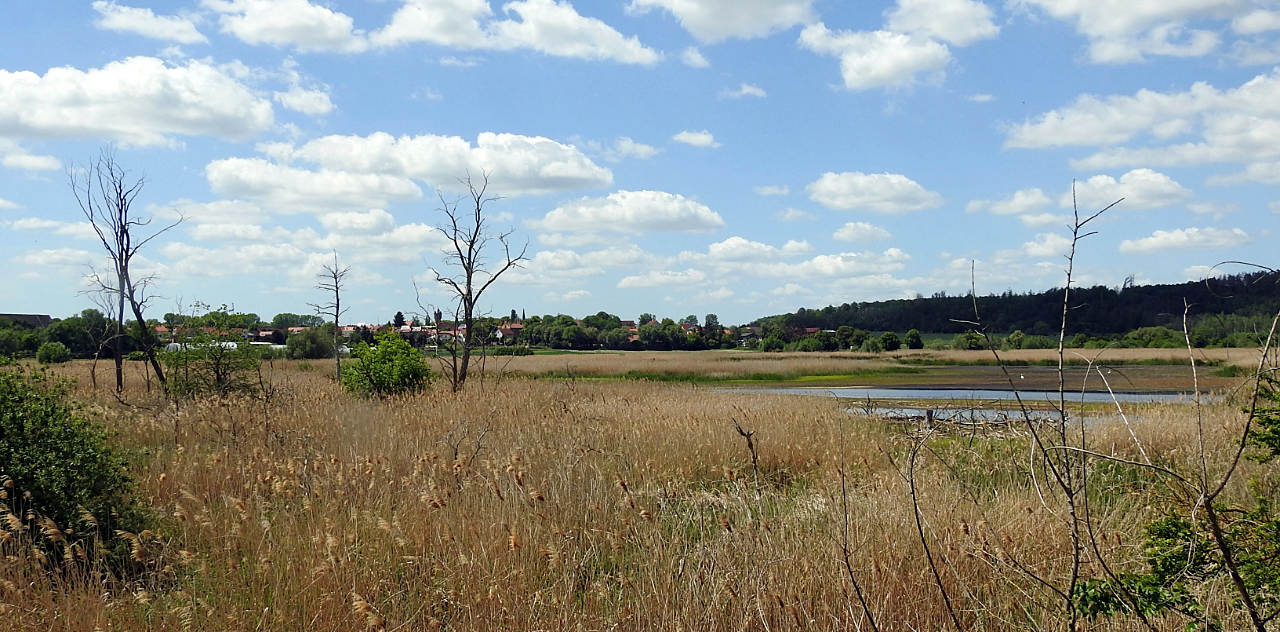
Biotope complex in the dry summer of 2020 © SPA
The extensive newly created shallow-water reed areas offer an ideal breeding, feeding and resting habitat for many species of birds that have become rare elsewhere. These include the Ferruginous Duck, Eurasian Teal, Northern Marsh Harrier, Eurasian Bittern, Common Reed Bunting, Sedge Warbler, Eurasian Penduline Tit, Bearded Reedling and European Bee-eater. The Common Cuckoo in particular benefits from a large number of host bird nests in the reed beds in which it can lay its eggs.
Every year, millions of migratory birds commute thousands of kilometres between their breeding and wintering grounds. To be able to negotiate these flight routes successfully, migratory birds are dependent on suitable stopover and feeding biotopes such as the Seeländereien bei Frose, and these must offer water bodies, habitat diversity and be largely undisturbed by human activity.
Permanent protection, preservation, and further development of this especially valuable wetland complex, the only one of its kind far and wide, and the exclusion of any future agricultural use and construction of alternative energy facilities.
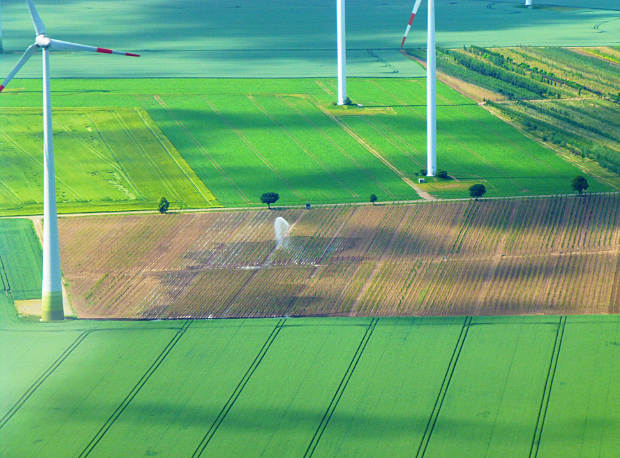
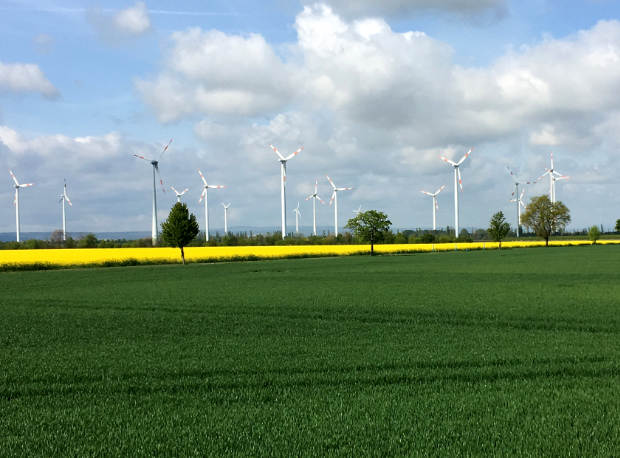
Structurally-weak intensively used farmland near Frose with large scale wind farms © SPA
Many bird species that reside, stopover and forage here during migration are on the Saxony-Anhalt and German Red Lists. Here, in the middle of intensively used farmland, they find an important valuable survival space and a diversely structured landscape characterised by its wetland resources.
Our goal is the sustainable protection and preservation of this habitat and its designated upgrading to a nature reserve (according to Para. 23 of the Federal Nature Protection Law). In this respect, on 18 December 2013, we submitted a formal application to the responsible environment ministry of the state of Saxony-Anhalt and the regional nature conservation authority.
To lend our demand more emphasis and weight, we have purchased more than 26.0 ha (260,000 m²) of land in the Seeländereien bei Frose wetland biotope complex since 2013, thereby permanently reinforcing the protection of this unique part of the landscape.
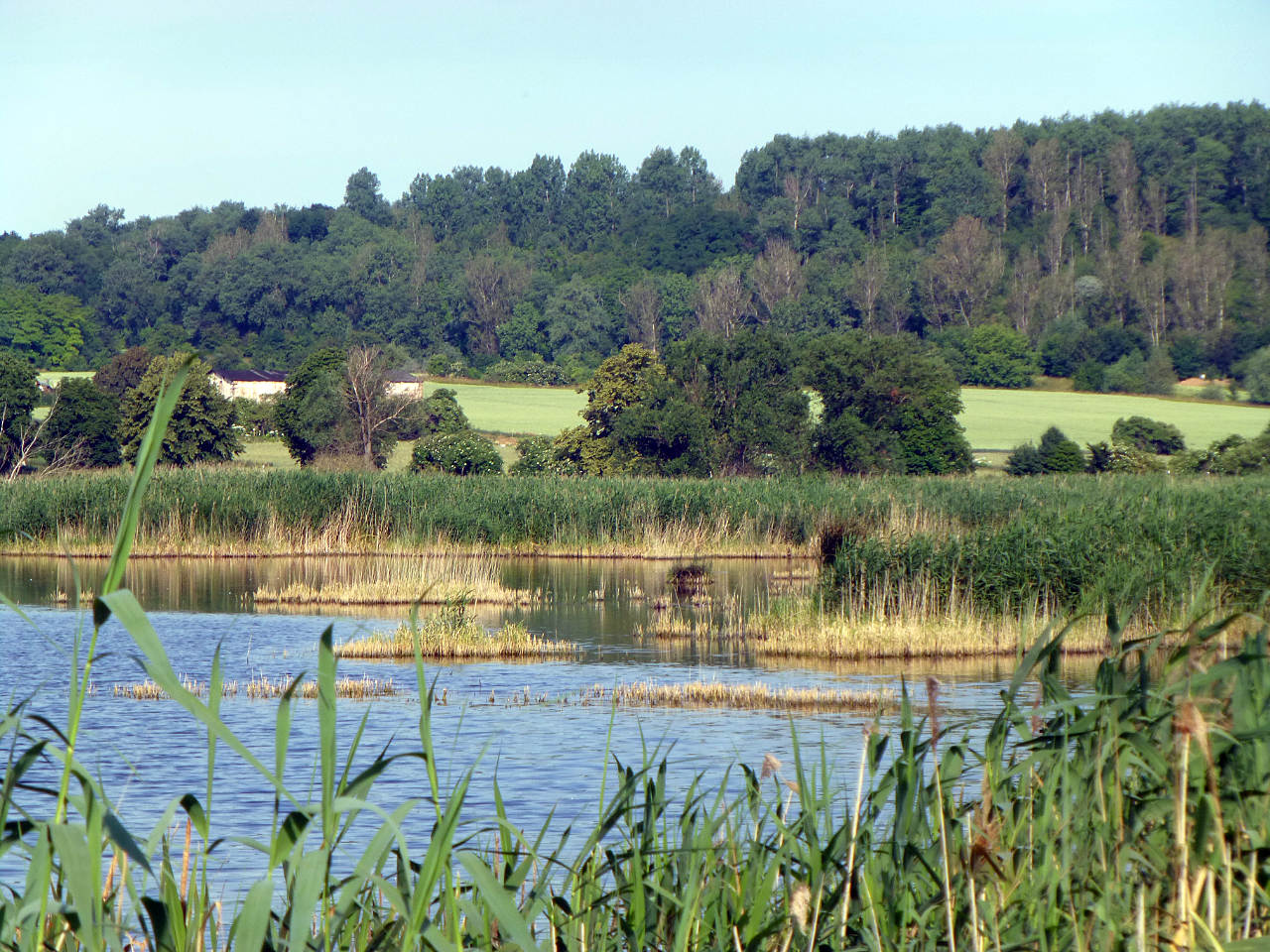
The Frose western shallow water lake biotope complex © SPA
With the aim of interesting even more people and making them enthusiastic about the protection of this wetland and its biodiversity, and also to end uncontrolled, disturbing bird watching activities, in spring 2020, with the approval of the nature conservation and building authorities of the Salzland district, we erected an 8 m high birdwatching tower on our Zuckerbusch plot in the centre of the biotope complex. Despite the Covid-19 pandemic, it has already become a visitor magnet for young and old from near and far.
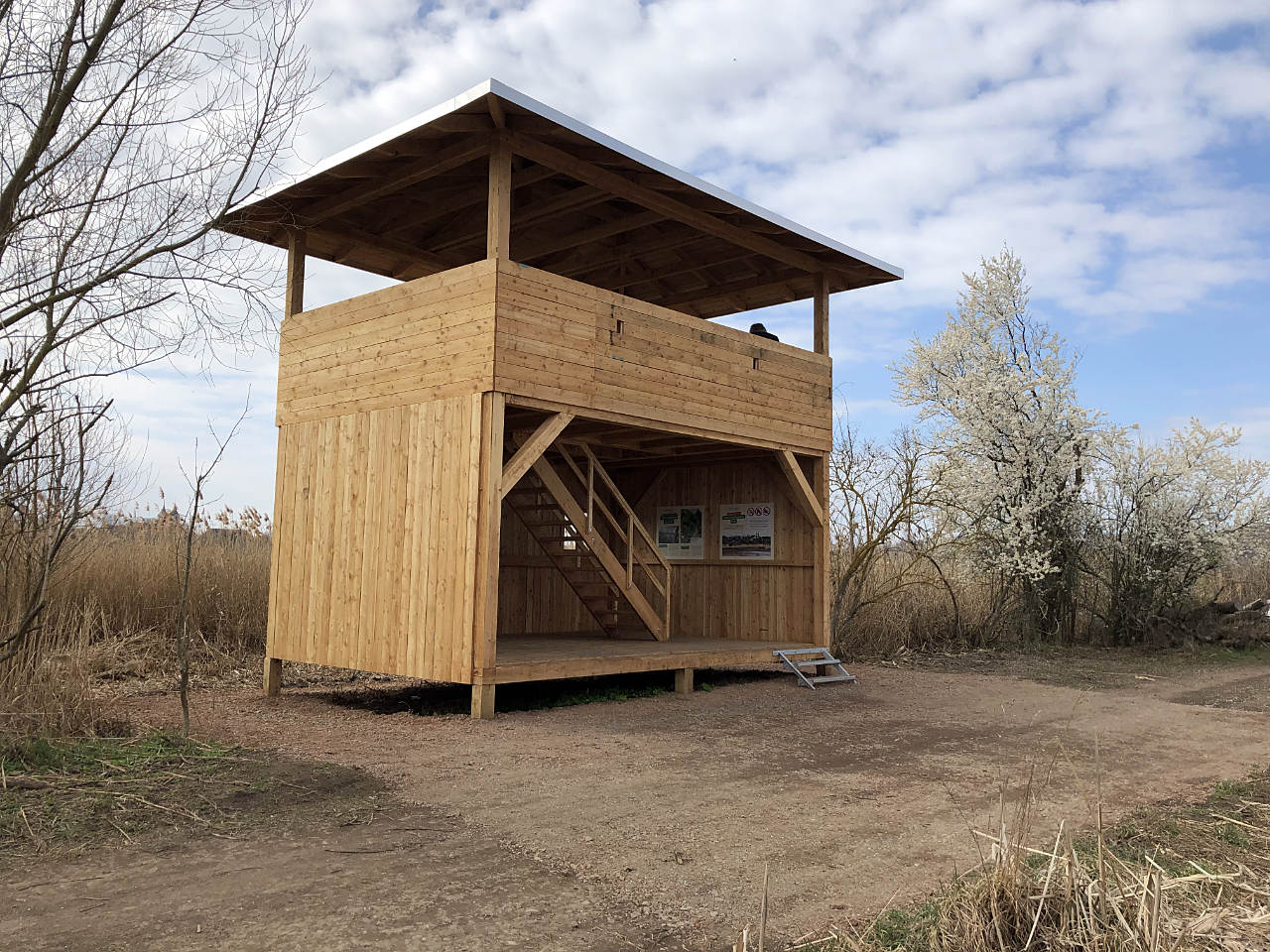
Our wetland complex birdwatching tower near Frose © SPA
We are constantly involved in buying more plots of land in the biotope complex.
Ferruginous Duck, Eurasian Bittern, Little Crake, European Bee-eater, Eurasian Reed Warbler
Ferruginous Duck
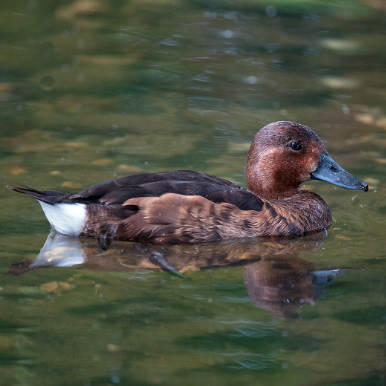
© Leo/fokus-natur
Eurasian Bittern

© FotoNatur
Great Egret
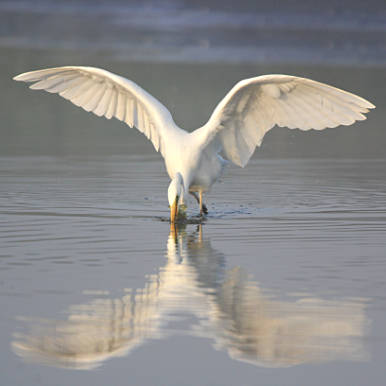
© U. Nielitz
European Bee-eater
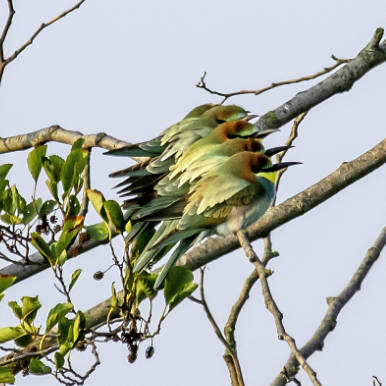
© A. Hanki
Bearded Reedling
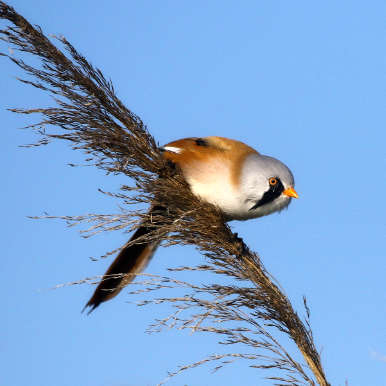
© U. Nielitz
Bluethroat
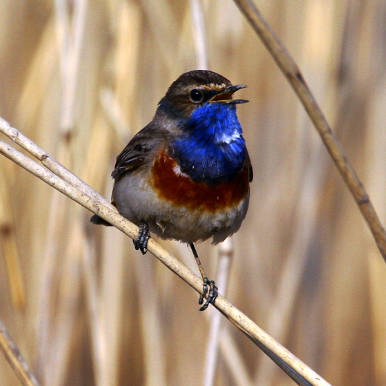
© FotoNatur
Wood Sandpiper

© U. Nielitz
Goldeneye
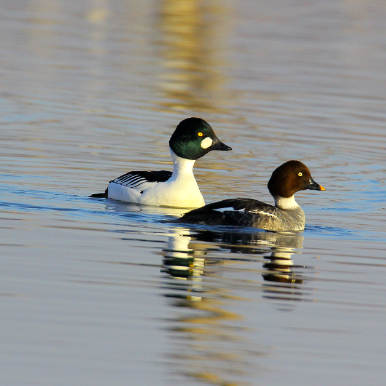
© U. Nielitz
Northern Lapwing
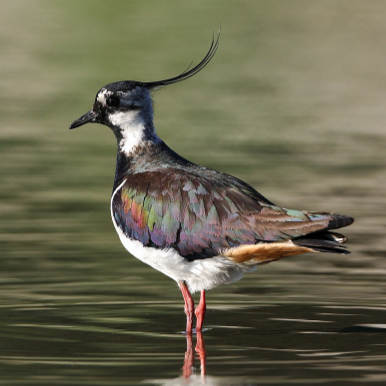
© H. Glader
Your donation helps us to purchase further ecologically-valuable plots of land.
The information on the copyrights of the images used on this site can be found at Copyrights, unless these are already indicated in or below the image.

Just 30 years ago, Great Egrets were an absolute rarity in Germany. Today, they are a familiar sight in many places. The story of Egret K195 is particularly remarkable: since 2018, it has been turning up time and again in our Frose nature reserve during the summer... more information

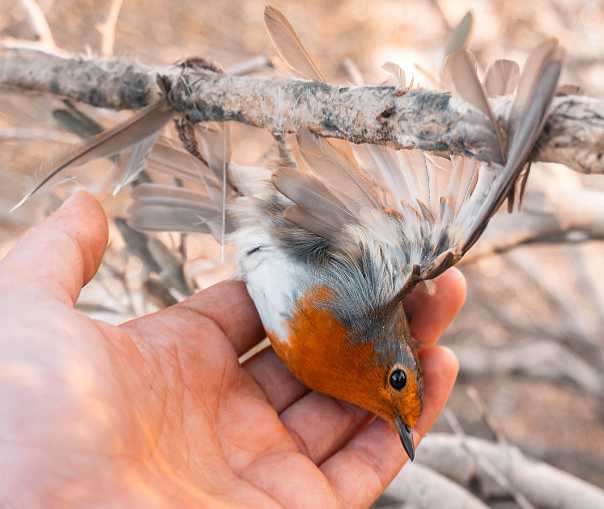
Following the successful spring bird conservation camps on Cyprus and the Greek island of Zakynthos, our local bird conservationists in Cyprus are once again standing up to the illegal operations of bird poachers and hunters. Yet again, we need your active support so that we can continue our campaign against the slaughter of migratory birds this autumn ... to the project
Postbank Hannover IBAN: DE47 2501 0030 0905 9063 07 BIC: PBNKDEFF
Stiftung Pro Artenvielfalt Meisenstraße 65 33607 Bielefeld Germany Tel. (0049) 0521 2997-883 / -884 / -889 Fax (0049) 0521 2997-885 Office Mo - Fr. 09.00 to 16.00
Foundation Management team@stiftung-pro-artenvielfalt.org Project Management projekte@stiftung-pro-artenvielfalt.org Donations, Donor Care service@stiftung-pro-artenvielfalt.org
 Donate now