Land acquisition project: Torfstich Klosterfelde
|
|---|

|
Land acquisition project: Torfstich Klosterfelde
|
|---|
|
|
In the Klosterfelde community near Wandlitz, Brandenburg, lies the Torfstich Klosterfelde, a post-Ice Age lowland bog with an area of approx. 31.0 ha. Since the end of peat extraction in 1990, a moor lake of approx. 4.0 ha and up to 8 m deep has formed.
To the northeast, the lowland bog area is shielded from the cold north and east winds by a crescent-shaped ice-age inland dune up to 25 m in height. The warmth-favouring oak-pine woodland is a habitat for the Common Redstart (Red List Germany category V - early warning list), Lesser Spotted Woodpecker, Middle Spotted Woodpecker and the Wryneck (Red List Germany category 3 - endangered).
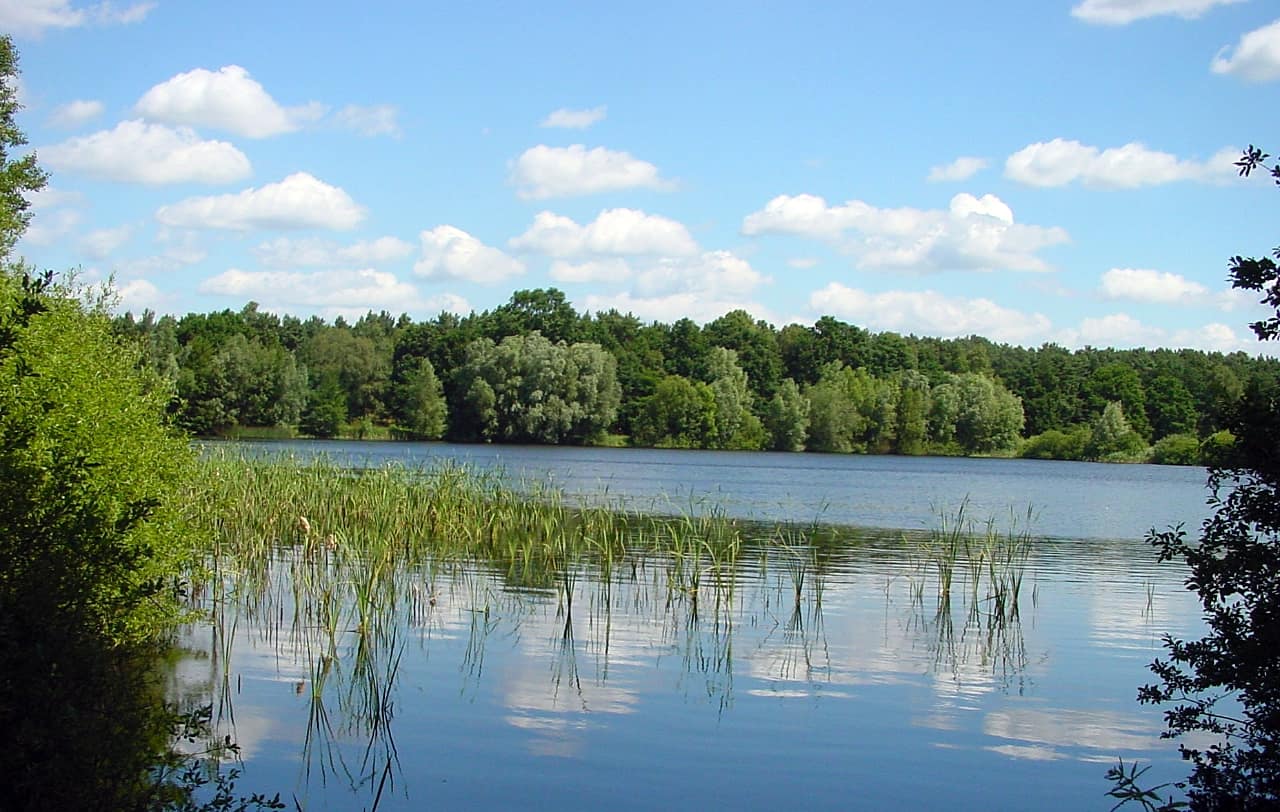
Summer sky over the moor lake in the Torfstich Klosterfelde © SPA
The increasing drought in winter and spring caused by climate change is constantly lowering the groundwater level and drying out the upper peat layers. The water level of the moor lake is currently 0.50 m lower than when the project started in 2005. Due to the drying out of the alluvial forest areas and wet meadows, the Common Crane and Whinchat did not breed.
Increasing shrub encroachment on the fen meadows. Pressure on meadow birds and damage to the meadow areas due to shortcuts (trails) and free-roaming dogs of visitors.
The peat cutting and the entire fen complex were placed under nature protection in 2001. However, the conservation goals for particularly rare and endangered animal and plant species in the fens cannot yet be consistently and comprehensively implemented due to the historical division of inheritance and the almost 70 property owners, some of whom own very small plots.
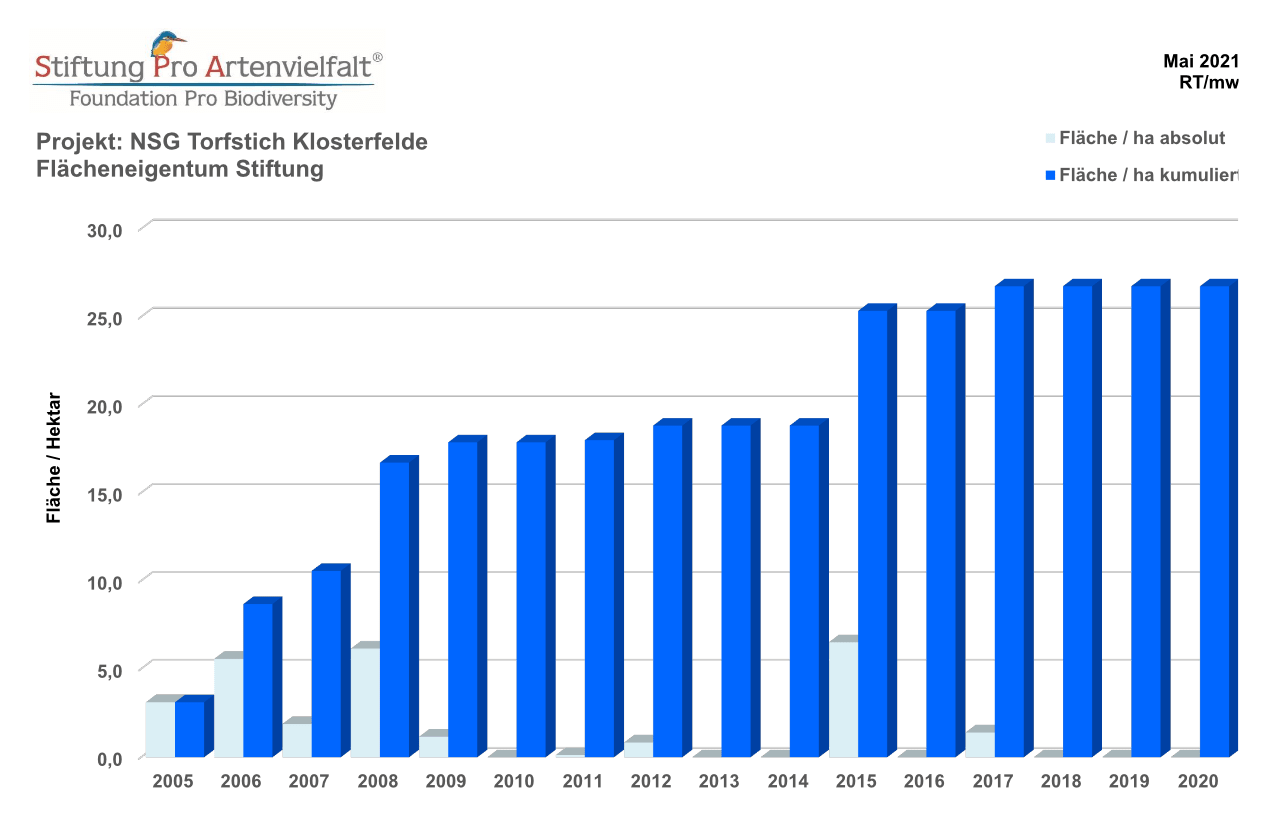
Our medium-term project goal is the purchase of the entire moorland area of 31.0 ha, as well as approx. 8.6 ha of valuable dune woodland, so that what naturally belongs together can grow together in the fen.
Our purchase of land serves to preserve and regenerate this fen complex for an increasing variety of bird, amphibian and insect species typical of fen habitat and the bird and insect species of light dry dune woodland.
Since 2005 we have bought 21.2 ha of fen meadows and parts of the bog lake and 5.5 ha of dune woodland, and are constantly looking for property owners who are prepared to sell.
We achieve our project goals through extensive use of the wet meadows as once mown hay meadows, keeping the meadow areas open by removing the pines and birches that emerge, and through visitor management measures by reactivating the historical trail network.
By mowing the fen meadows late in the year (July) we protect the nests, clutches and young birds of the meadow bird species that breed on the ground, such as Common Crane, Greylag Goose, Eurasian Skylark and Whinchat. Typical wet meadow flowering plants such as Marsh Marigold, Moorland Spotted Orchid and Autumn Crocus and many other endangered plant species also benefit from our landscape maintenance work and find suitable habitats here again.
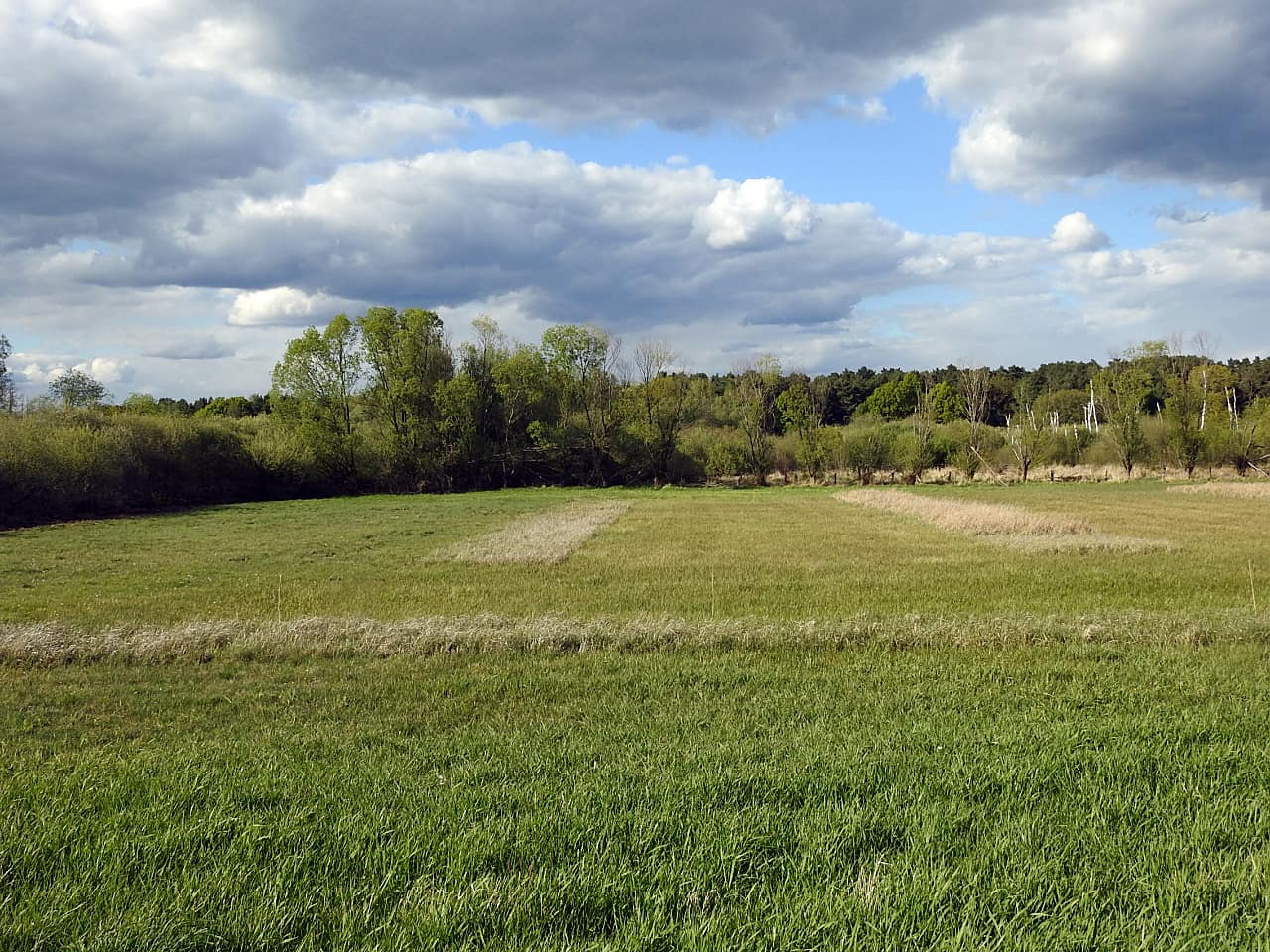
Our wet meadows in the Torfstich Klosterfelde after mowing © SPA
Since 2007, we have gradually eradicated the late-blooming Bird Cherry in the dune woodland. With its enormous amount of fruit and vigorous growth, the tree suppresses the natural regeneration of native tree species that are appropriate to the location.
In a forest area secured with a wildlife fence after forest maintenance measures, the Eurasian Jay's food-concealing efforts show their beneficial effect. More and more oaks and beeches are germinating and growing in the formerly monostructured pine area! In this way the dune woodland is preserved for the future, and a stable, valuable woodland habitat for warmth-loving bird species is created.

The Foundation's own oak-pine woodland on Ice Age inland dunes © SPA
Lowland fen meadows: White Stork, Whinchat, Common Crane, Greylag Goose, Northern Lapwing, Grass Snake, Moor Frog
Whinchat
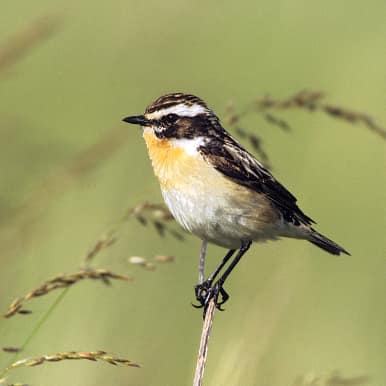
© Dr. P. Wernicke
Common Crane breeding site
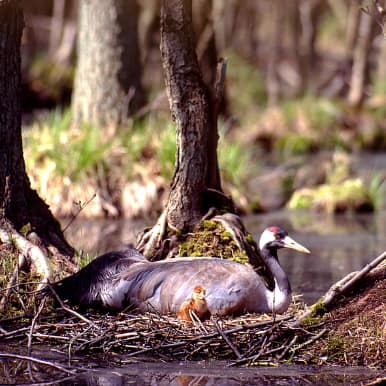
© Dr. E. Henne
Moor Frog
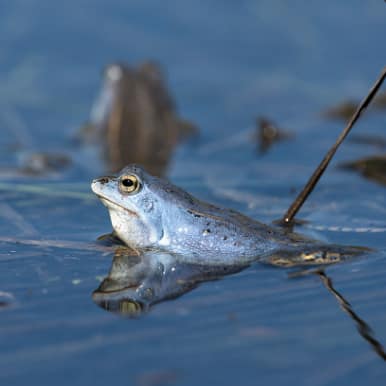
© Leo/fokus-natur
Warmth-favouring dune woodland: Common Redstart, Green Woodpecker, Middle Spotted Woodpecker, Wryneck
Common Redstart
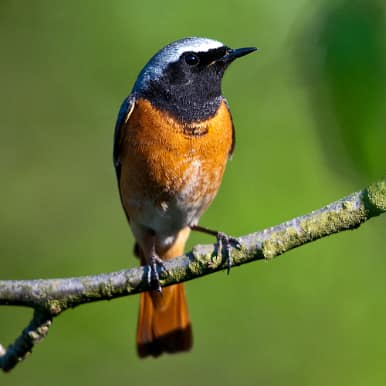
© Leo/fokus-natur
Green Woodpecker
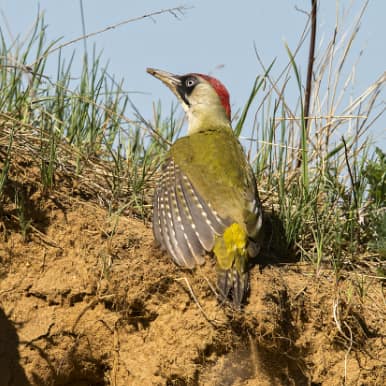
© Leo/fokus-natur
Wryneck
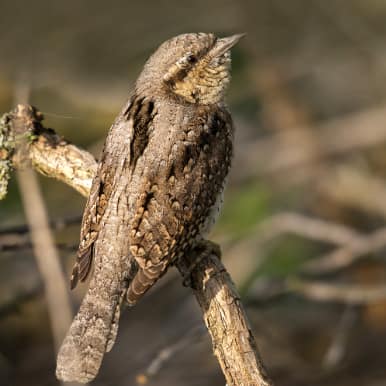
© Leo/fokus-natur
Your donation enables the purchase of further ecologically-valuable plots of land.
The information on the copyrights of the images used on this site can be found at Copyrights, unless these are already indicated in or below the image.

Just 30 years ago, Great Egrets were an absolute rarity in Germany. Today, they are a familiar sight in many places. The story of Egret K195 is particularly remarkable: since 2018, it has been turning up time and again in our Frose nature reserve during the summer... more information

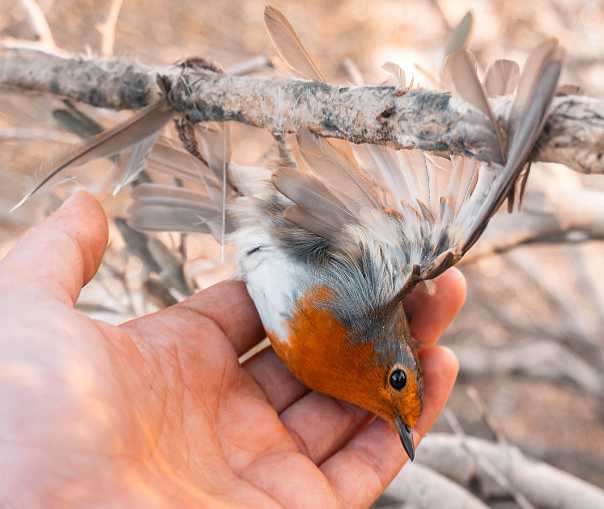
Following the successful spring bird conservation camps on Cyprus and the Greek island of Zakynthos, our local bird conservationists in Cyprus are once again standing up to the illegal operations of bird poachers and hunters. Yet again, we need your active support so that we can continue our campaign against the slaughter of migratory birds this autumn ... to the project
Postbank Hannover IBAN: DE47 2501 0030 0905 9063 07 BIC: PBNKDEFF
Stiftung Pro Artenvielfalt Meisenstraße 65 33607 Bielefeld Germany Tel. (0049) 0521 2997-883 / -884 / -889 Fax (0049) 0521 2997-885 Office Mo - Fr. 09.00 to 16.00
Foundation Management team@stiftung-pro-artenvielfalt.org Project Management projekte@stiftung-pro-artenvielfalt.org Donations, Donor Care service@stiftung-pro-artenvielfalt.org
 Donate now