News: Short & sweet / archive
|
|---|

|
News: Short & sweet / archive
|
|---|
|
|
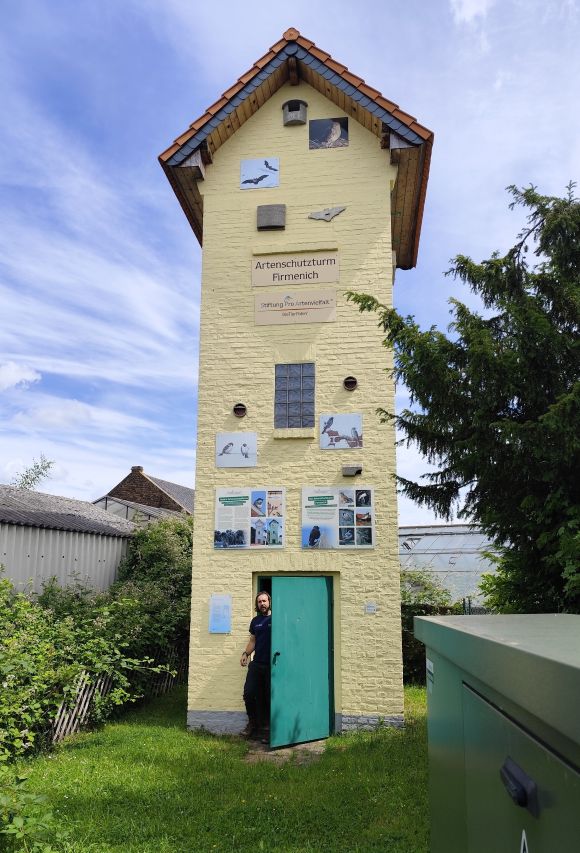
Our species conservation tower in Firmenich provides up to eight different bird species with safe nesting and refuge sites. © SPA
Common Kestrels, Barn Owls, Jackdaws and House Sparrows make use of our species conservation towers – yet the decline in the populations of many structure-nesting birds is unmistakable …
As part of this year’s breeding bird surveys, staff from the Foundation Pro Biodiversity checked all five species conservation towers in the Rhineland. The surveys aim to document the current use of the nest box structures and to monitor long-term population trends among the bird species that breed there.
This year’s results once again demonstrate just how important such species-conservation structures have become in urban areas.
In the towers monitored, Common Kestrels, Barn Owls, Eurasian Jackdaws, Common Starlings, House Martins, House Sparrows, as well as Great Tits and Nuthatches – the latter not typically found nesting in buildings – were recorded.
A pair of Common Kestrels in the species conservation tower in Bouderath provided a particular surprise. The birds of prey had chosen a nest box designed for Jackdaws with an entrance hole measuring just eight centimetres as their breeding site. Common Kestrels usually use significantly larger entrance holes, around 15 centimetres in diameter. This makes it all the more astonishing that the pair of Kestrels nevertheless successfully settled in the comparatively small Jackdaw nest box. At least two young Kestrels, almost ready to fledge, were observed inside. An unusual but remarkable example of how increasingly more bird species are (having to) become flexible in their choice of breeding sites.
Unfortunately, our project staff observed significantly fewer Common Swifts, House Martins, House Sparrows and Common Starlings in the vicinity of the species conservation towers than in previous years. The reasons for this are varied, but increasingly threaten the species’ survival, ranging from the loss of suitable nesting and breeding sites to a massive decline in the insect population.
Whilst we can only influence the decline in insect populations to a limited extent, by creating permanent safe nesting, breeding, and refuge structures for numerous bird species, the species conservation towers of the Foundation Pro Biodiversity are making an important contribution to the regional population of native building-nesting birds.
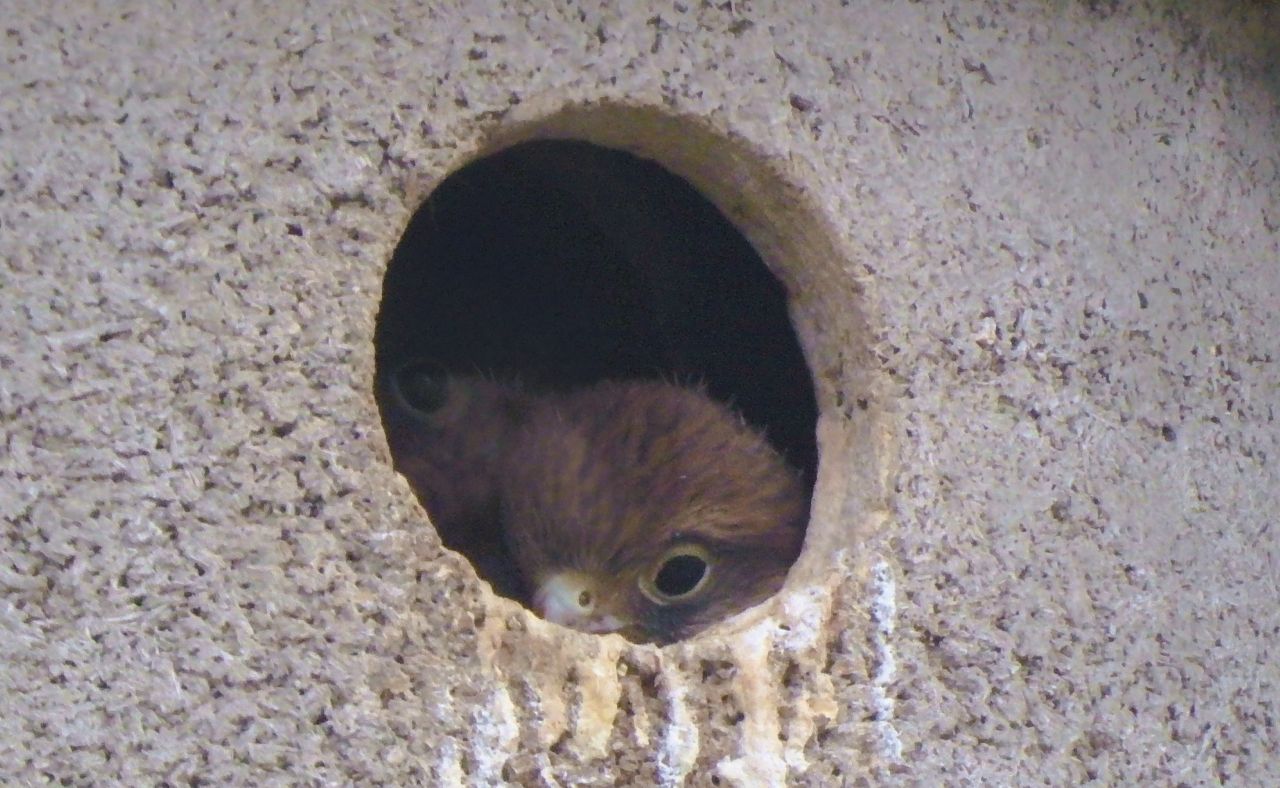
Surprisingly unexpected occupants in the Bouderath Species Conservation Tower: A pair of Common Kestrels is rearing their chicks in a Eurasian Jackdaw nest box. © SPA
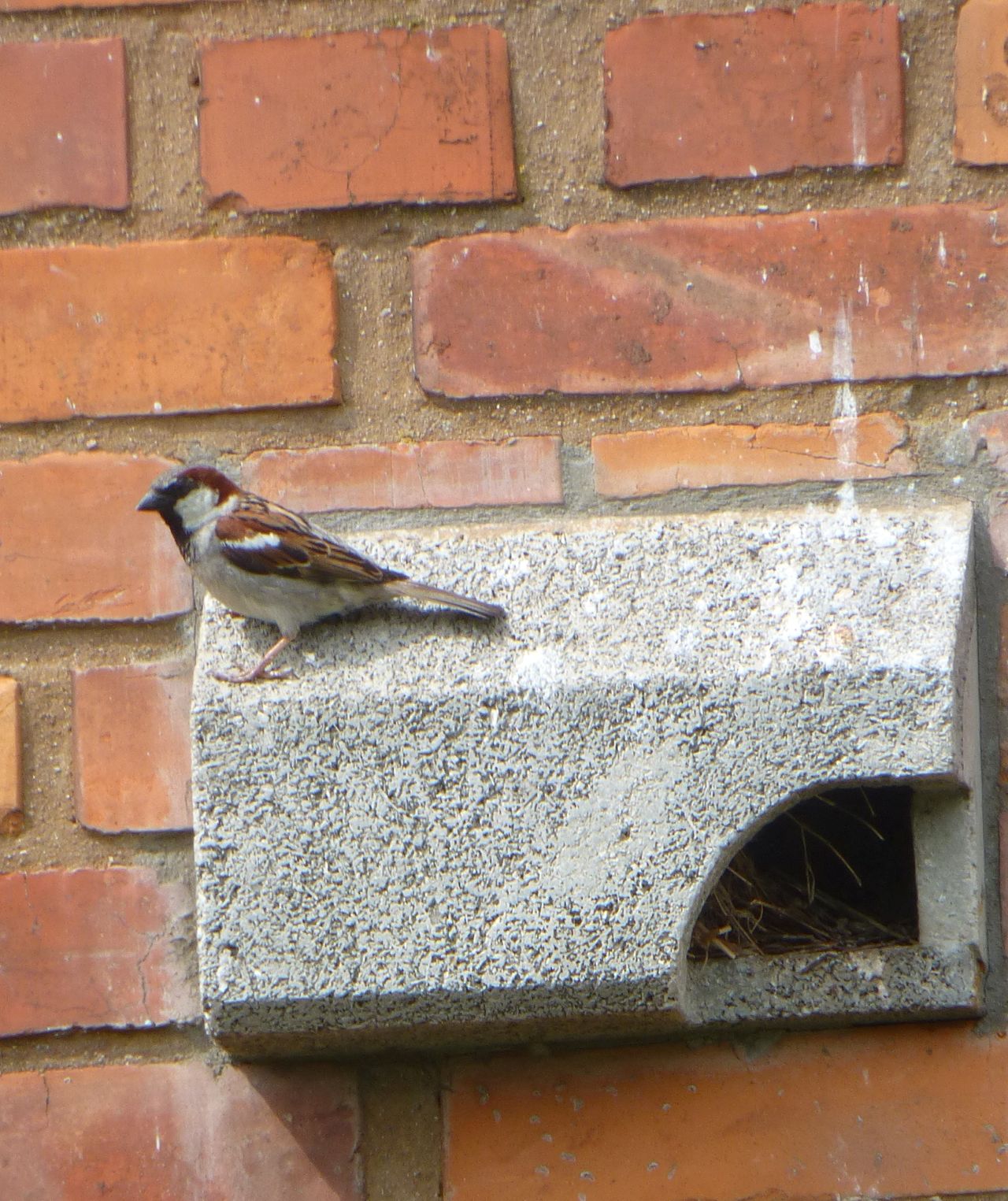
A male House Sparrow on a niche cavity nest box occupied by the breeding pair. © SPA
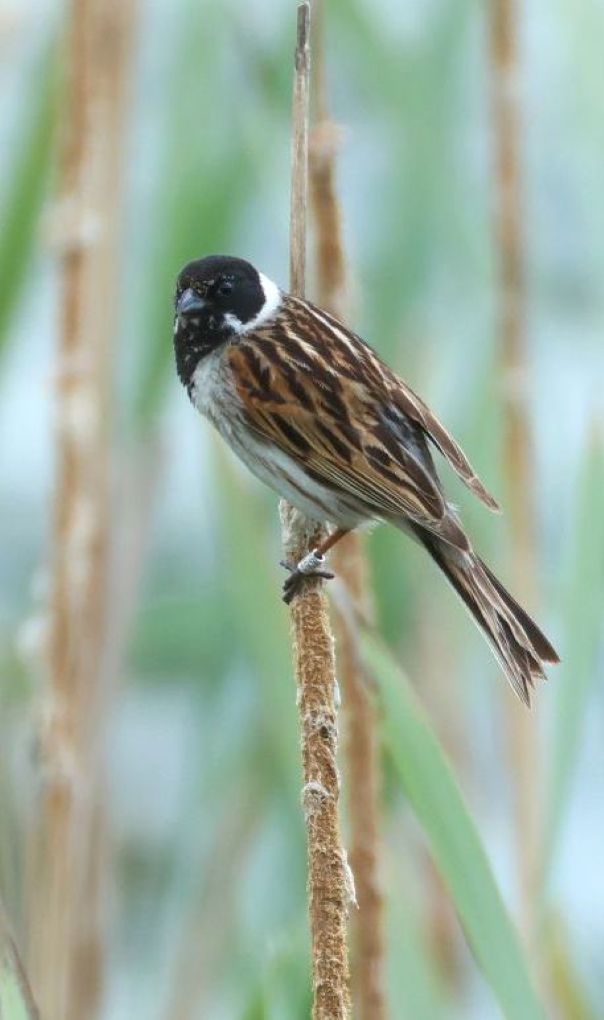
The Reed Bunting is one of the characteristic bird species found in structurally diverse wetlands © M. Pfeifer
Over 60 interested visitors, lots of questions and strong support for the protection of biodiversity – a successful field trip to the Schimmel's Ponds
At the invitation of the Foundation Pro Biodiversity, a total of 64 nature enthusiasts took up the opportunity—offered just once a year—to explore the fenced-off core area of the Schimmel's ponds near Limbach-Oberfrohna during a guided tour lasting around an hour and a half on 30 May 2026.
Despite the forecast of thunderstorms, the weather was kind to us, and a large number of participants had already gathered before the event began. Following a brief introduction by our CEO, Roland Tischbier, and the ornithologist Jens Hering, the tour took us along the pond embankments directly into the project area, past five of the north-western ponds and the water buffalo grazing there.
Amidst the croaking of countless Common Water Frogs and accompanied by watchful Mute Swan parents with their cygnets, Tufted Ducks and, of course, Mallards and their ducklings, the project managers provided information on the habitat restoration measures implemented over the past 12 months, as well as on future plans for the further ecological enhancement of the Schimmel's ponds. Information on the successes achieved so far for birdlife, including sightings of rare species such as the Reed Bunting, Jack Snipe and Red Phalarope, also attracted great interest.
The overwhelmingly positive feedback from participants was very encouraging. Many expressly welcomed the conservation measures taken by the Foundation Pro Biodiversity, including the comprehensive enclosure of the core area, which provides the necessary peace and quiet for the water buffalo and goats roaming freely there (as landscape managers) and for the bird, amphibian, reptile and insect species found there to forage and reproduce.
For the Foundation Pro Biodiversity and its project partners, the event was heartening proof that interest in the comprehensive protection of our wetland area, which covers just under 12 hectares, is growing steadily in the region.
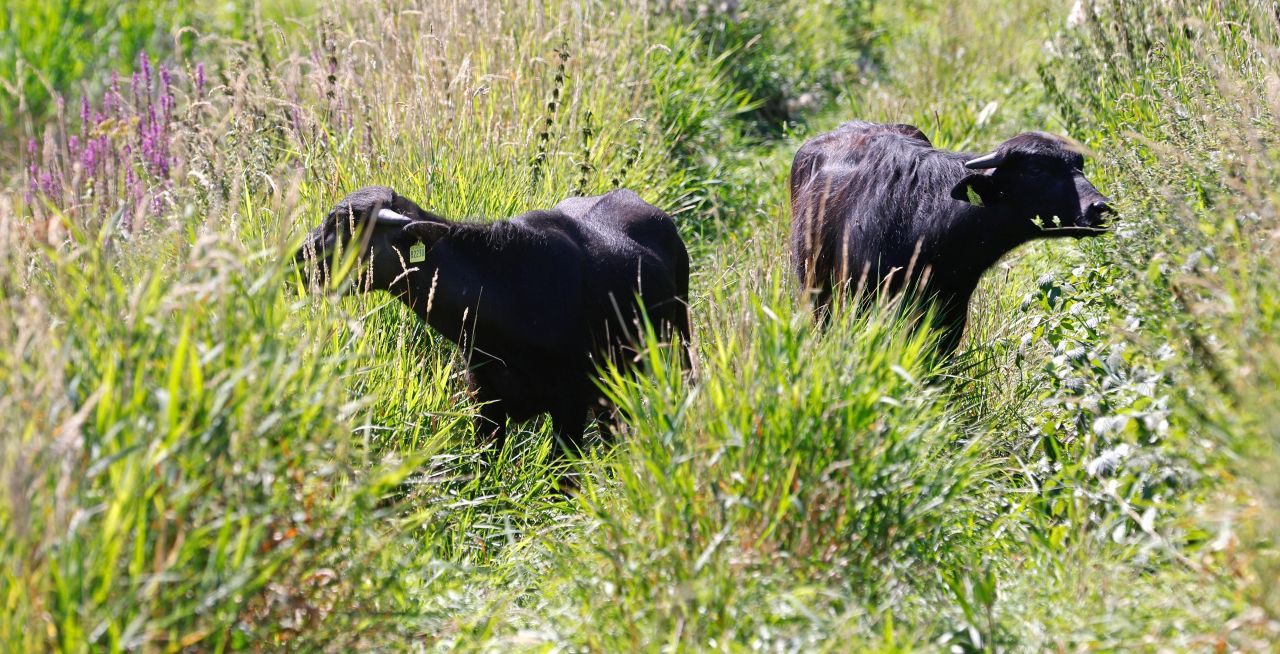
Water buffalo as natural landscape managers of the Schimmel's Ponds © M. Pfeifer
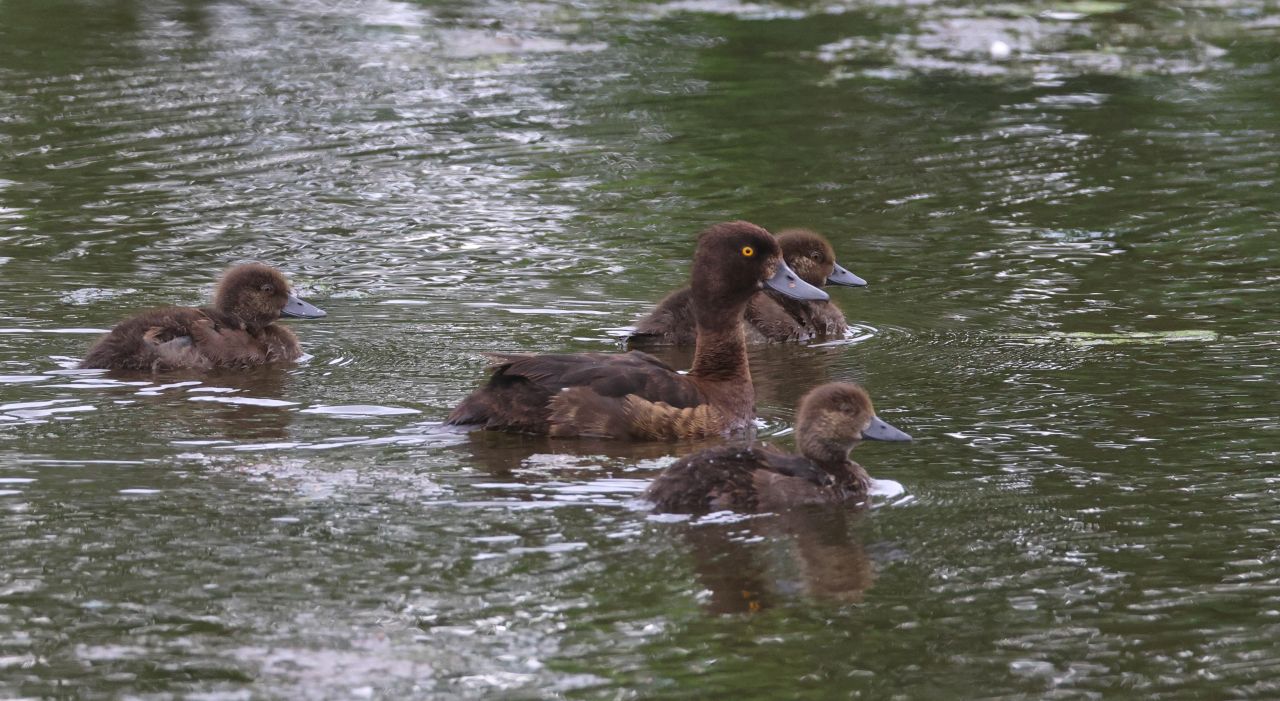
A Tufted Duck with her ducklings in the Schimmel's Ponds © M. Pfeifer
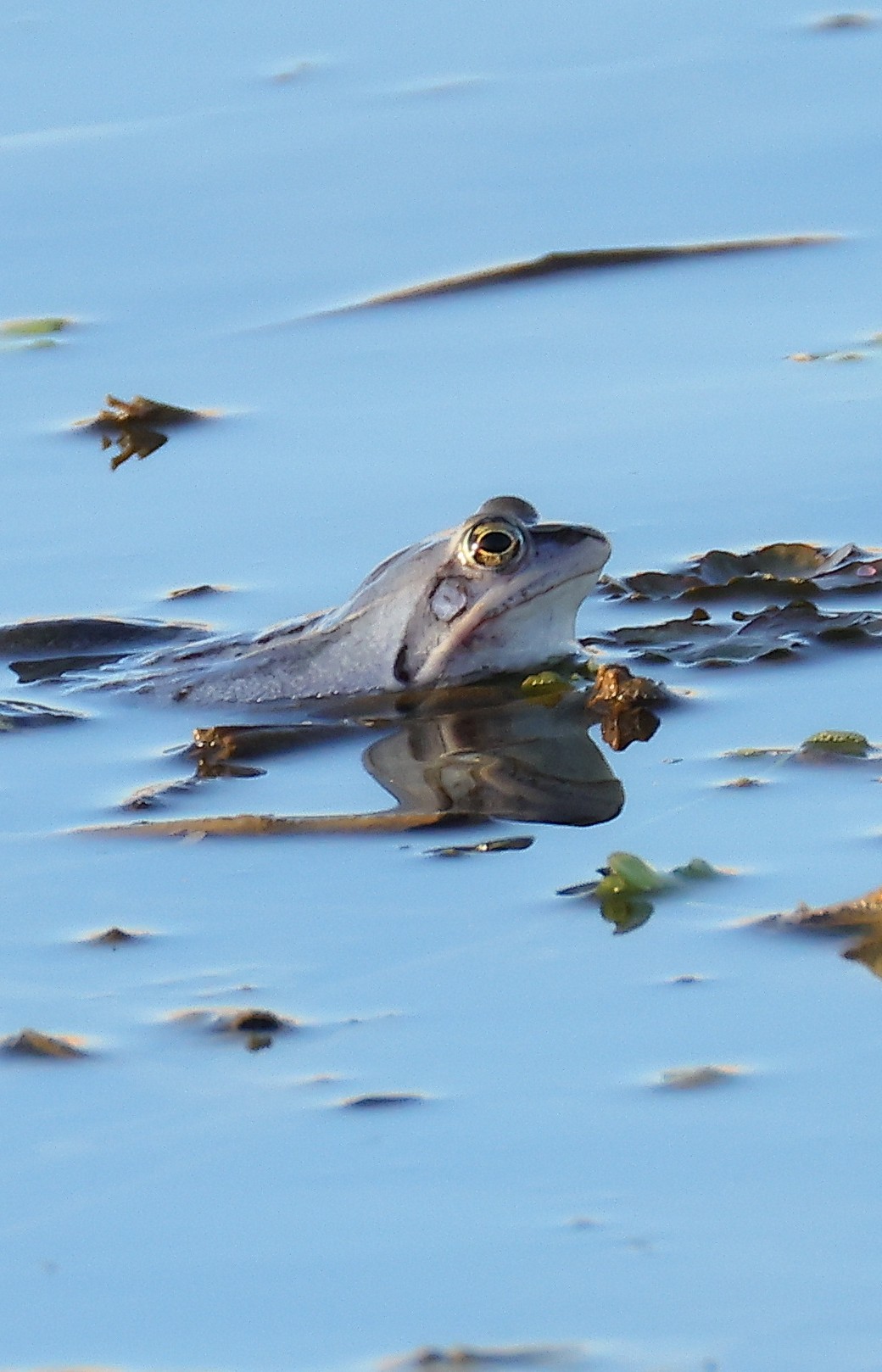
Moor Frog in the ‘Seeländereien bei Frose‘ wetlands during the brief spring courtship season © SPA
When the water ‘bubbles’ and an endangered amphibian species reveals its presence and all its vitality in the 'Seeländereien bei Frose' wetlands ...
The population of the Moor Frog in Saxony-Anhalt has declined significantly in recent decades. Drainage, habitat loss and increasingly dry periods are taking a heavy toll on this amphibian species. Today, the Moor Frog is classified as endangered in Saxony-Anhalt and has declined to just a few, mostly isolated remnant populations (see Saxony-Anhalt State Office for Environmental Protection, Red List).
This makes the recent observations in the ‘Seeländereien bei Frose’ wetland complex – which covers just under 75 hectares and of which our Foundation owns 32 hectares – all the more encouraging. At the beginning of April, up to 40 calling male Moor Frogs were observed here. This is thought to be one of the last stable populations in the region.
During the brief spawning season, the males take on a distinctive blue colour and attract attention with their soft, ‘bubbling’ calls – an impressive yet now rare natural spectacle that can only be observed in a few places.
However, the area's dynamics also highlight the vulnerability of this population. In recent years, a lack of rainfall just a few weeks after the breeding season has led to many water bodies drying up drastically. This jeopardises the reproductive success of an entire year.
Maintaining stable water levels is therefore crucial. Through targeted habitat restoration measures, the Foundation Pro Biodiversity aims to ensure water availability well into the summer months, thereby helping to stabilise the wetlands near Frose in the long term as a valuable habitat for amphibians, insects and water-dependent bird species.
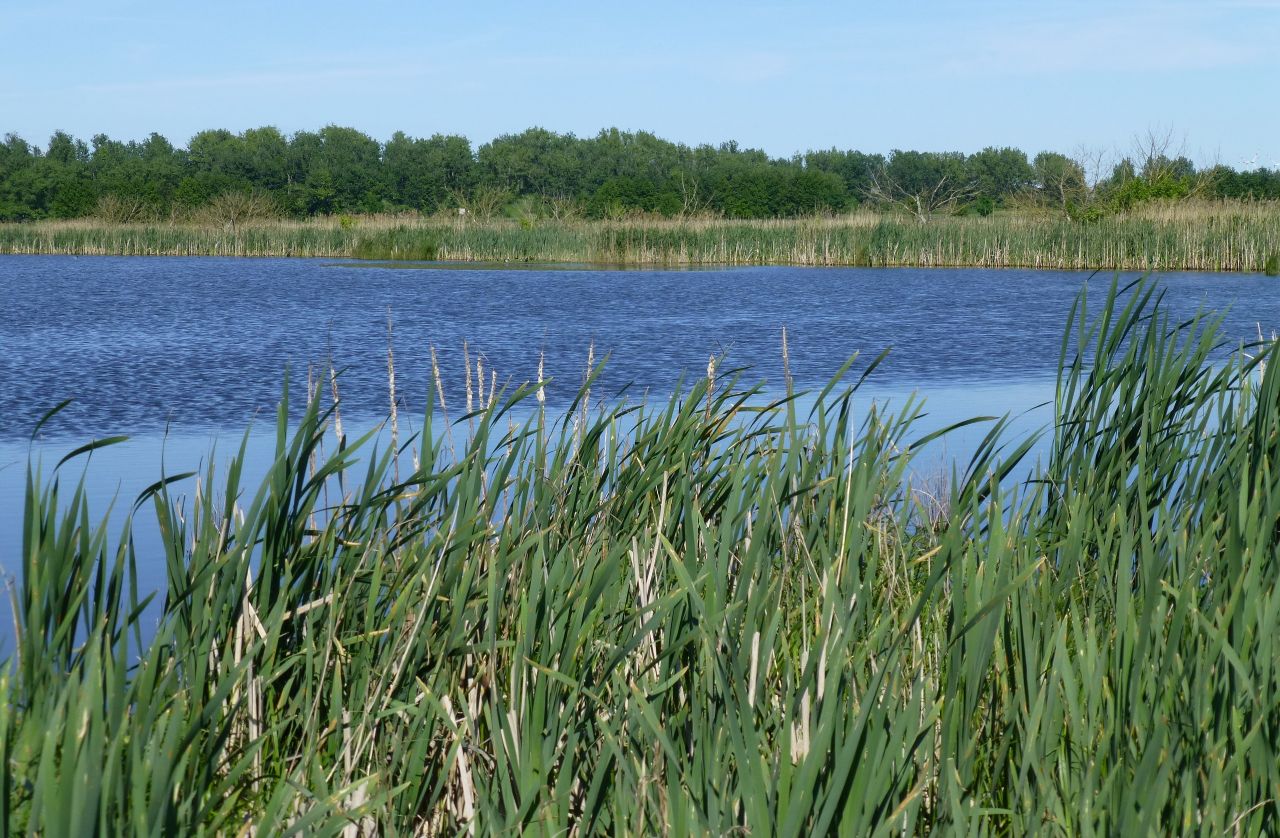
Open water areas and reed beds in the 'Seeländereien bei Frose' wetland complex – vital refuges for wetland species that have now become rare. © SPA
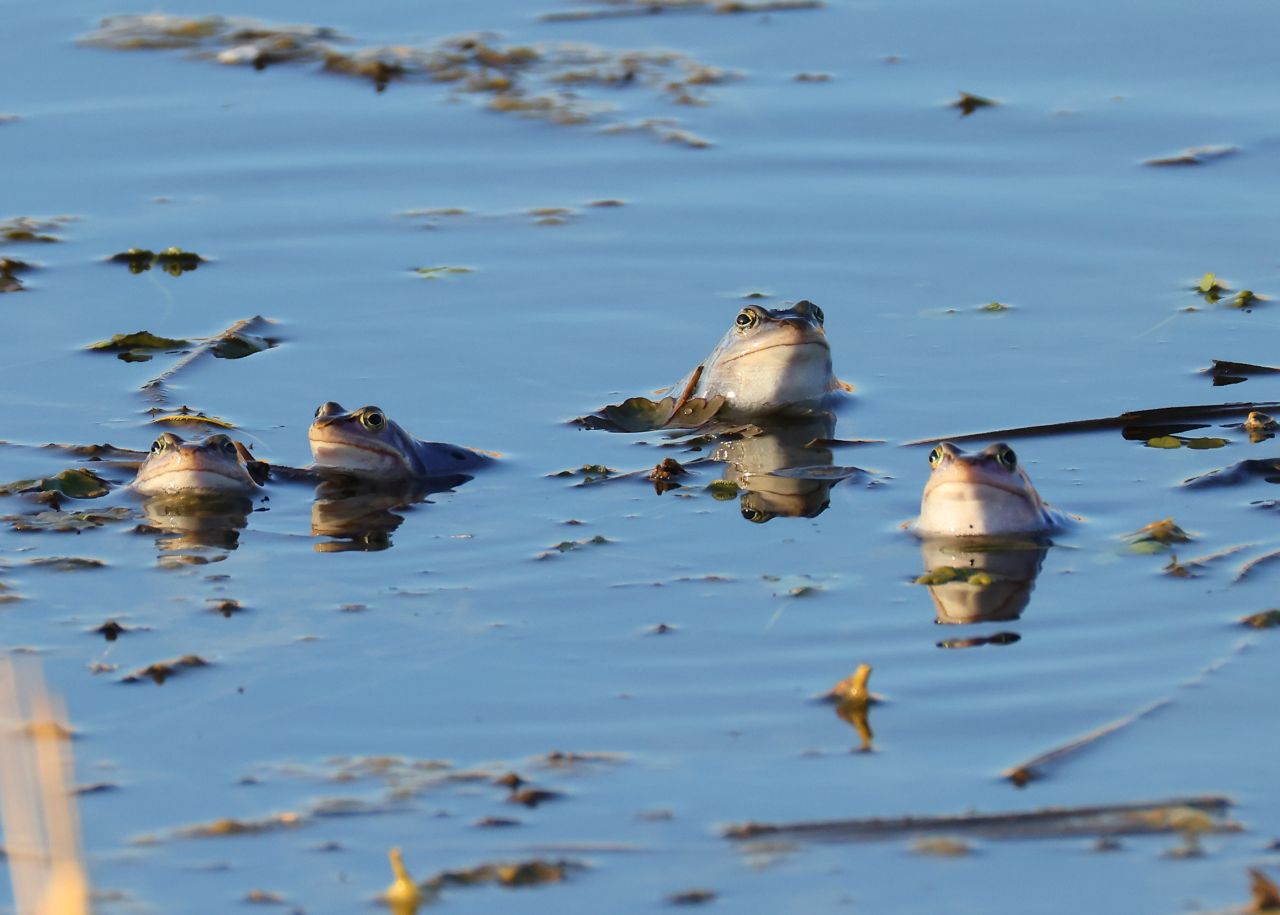
Male Moor Frogs calling during their short breeding season – a rare natural spectacle in spring. © SPA
 M. Pfeifer.jpg)
Spring from a bird’s-eye view: Our Schimmel’s ponds – a new, diverse habitat for numerous species © M. Pfeifer
This spring is showing that targeted habitat restoration measures are gradually transforming this former fish farm back into a wetland rich in structure and biodiversity.
As spring now progresses rapidly, a new phase of development is becoming apparent at the ‘Schimmel’s ponds’ in the Limbach pond area south of Limbach-Oberfrohna. Whereas just three years ago the pond area was dominated by intensive fish farming, a diverse natural pond landscape is now gradually re-emerging. Spring is revealing the results of the targeted and extensive biotope restoration and development measures initiated by the Foundation Pro Biodiversity in 2024.
The pond area, covering around twelve hectares (120,000 m²), forms part of a significant wetland in south-west Saxony – a region otherwise lacking in water – and already provides a valuable habitat for a wide variety of waterbird species.
After acquiring the land in 2023, we agreed and adopted a comprehensive plan of action in consultation with local conservationists and the regional nature conservation authority. The top priority was to restore the technical water management system to allow for variable water levels in the 12 ponds – a fundamental prerequisite for the development of a wide variety of aquatic habitats. Shortly afterwards, the rapidly encroaching scrub growth on and around the pond embankments was cut back; as some ponds had dried up, large stands of reeds and cattails were partially removed, and the embankments were restored.
With the start of this year’s vegetation growth season, it is already clear just how quickly nature is responding to these measures. The sun-exposed pond banks, now open again, provide ideal conditions for insects, amphibians, and numerous bird species. Last year, extensive grazing by our ‘natural landscape managers’ – water buffalo, Highland cattle and goats – helped the natural development.
A remarkable increase in the diversity of migratory and breeding birds is already evident. The varied landscape structure, comprising open water bodies, damp mudflats along the banks, and structurally rich shoreline areas, creates a mosaic of habitats unique to the region.
This spring, the long-term goal of this ambitious nature and species conservation project is becoming increasingly clear: through natural processes, with only gentle guidance, former intensively farmed fishponds are being transformed into a vibrant wetland that provides a habitat for biodiversity, whilst also impressively demonstrating just how effective consistent, privately funded nature conservation can be.
 M. Pfeifer.JPG)
Mute Swan with cygnets © M. Pfeifer
 M. Pfeifer.jpg)
Tufted duck with offspring © M. Pfeifer
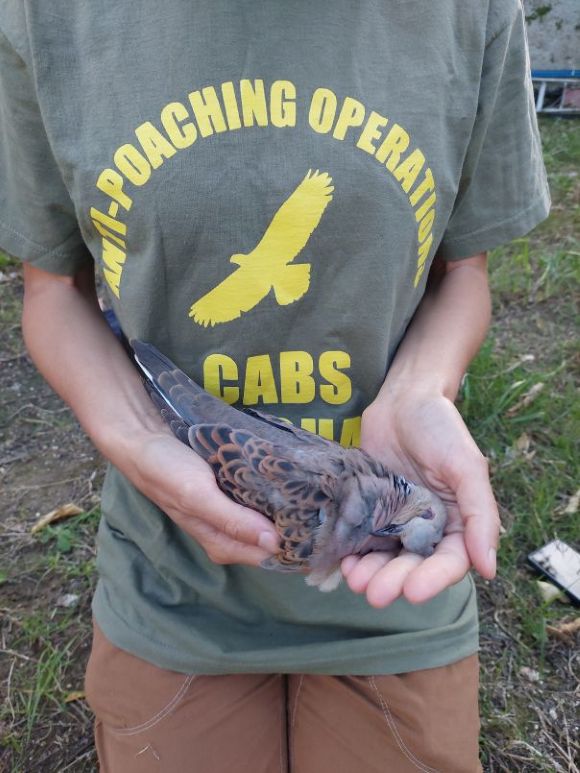
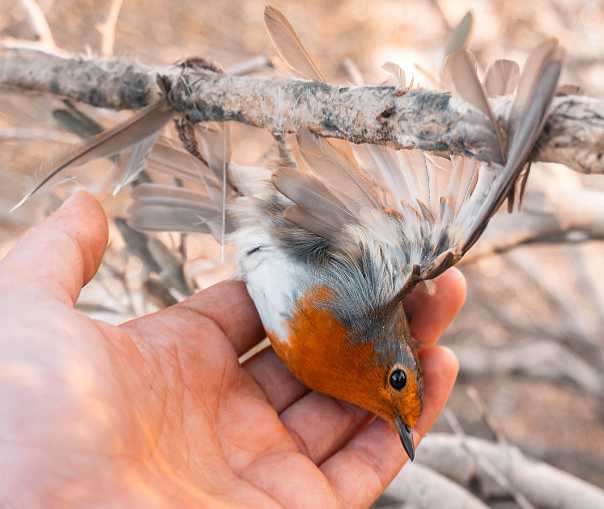
A sad reminder of the illegal spring bird hunting on Zakynthos: a dead Turtle Dove © Committee Against Bird Slaughter (CABS)
More hunting sites discovered – but fewer shots fired:
How the illegal spring hunt for our migratory birds on Zakynthos continues to evolve ...
Again, this spring, teams from the Committee Against Bird Slaughter (CABS) and the Foundation Pro Biodiversity are working together on the Greek island of Zakynthos to combat the illegal hunting of migratory birds. The latest figures show that the intensive bird conservation efforts of recent years are having an impact – even though the situation remains a serious one.
Compared with last year, more active bird hunting sites have once again been identified. At the same time, however, a significant decline in the number of shots fired has been recorded – an important indicator that the pressure of surveillance is having an effect on illegal hunters.
Results of the 2026 Spring Bird Conservation Camp
(figures for 2025 in brackets for comparison):
Despite the increase in the number of hunting sites discovered, there is a positive trend: significantly fewer shots were recorded during our operations than in previous years. In previous years, over 100 shots could be heard on individual days – this spring, the maximum number was around 60 to 70 shots per day, with the focus remaining on the well-known problem area around Keri.
Another significant difference compared with last year is that our response teams have so far been spared physical attacks this spring – a development we attribute to consistent law enforcement and increased vigilance with regard to illegal hunting activities.
Nevertheless, the work on Zakynthos is far from over. During the operations, previously unknown hunting sites were discovered, and these will receive higher monitoring priority in future campaigns. The aim remains to curb illegal spring hunting of migratory birds further and, in the long term, to put a complete stop to it.
The campaign on Zakynthos demonstrates once again that, thanks to the close cooperation between the Committee Against the Slaughter of Birds (CABS) and our Foundation, our annual spring presence on the ground, and the financial support of dedicated donors, we are able to make measurable progress in the practical protection of migratory birds.
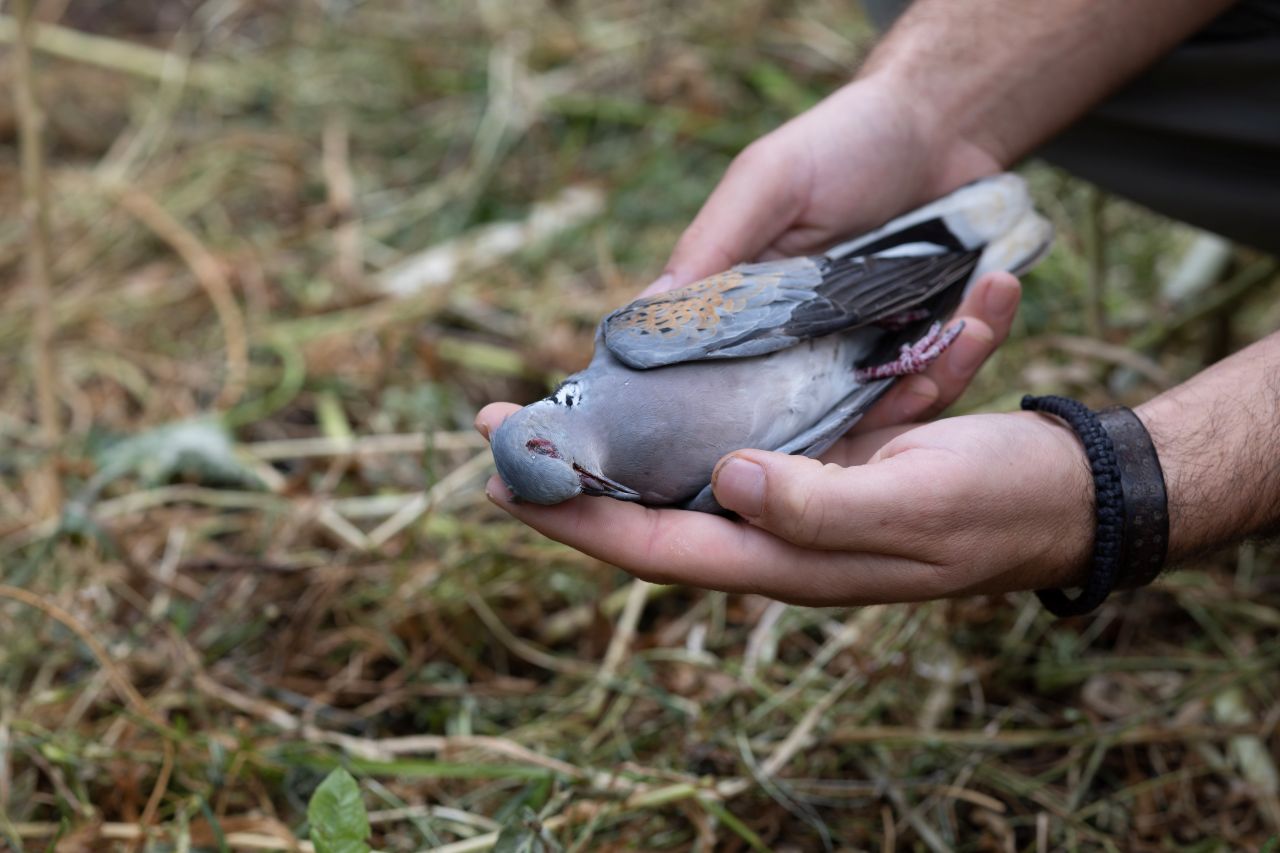
Victim of illegal spring hunting on Zakynthos: a shot Turtle Dove © Committee Against Bird Slaughter (CABS)
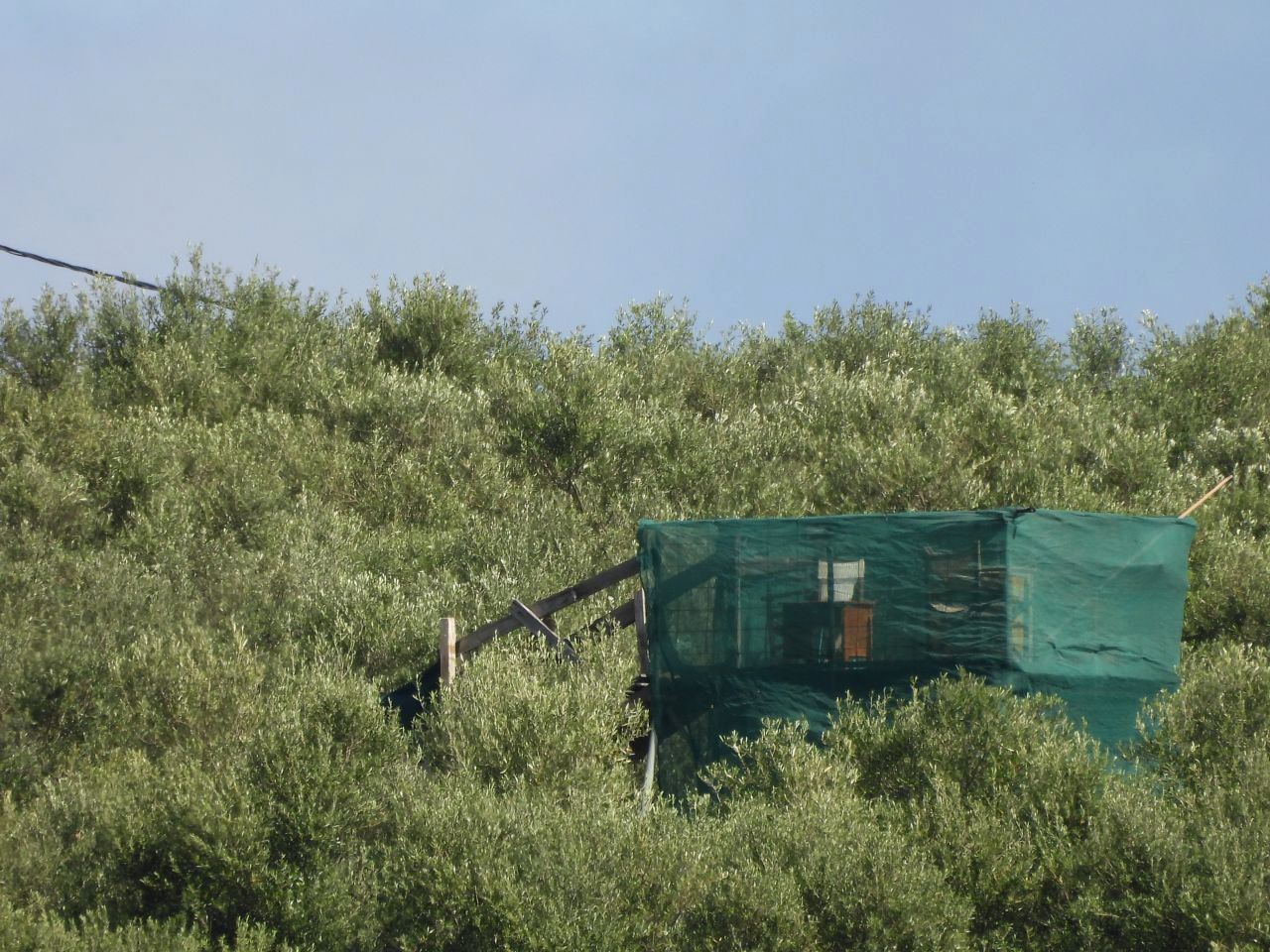
Well camouflaged, but nevertheless discovered: an illegally used hunting hide on Zakynthos © Committee Against Bird Slaughter (CABS)
Just 30 years ago, Great Egrets were an absolute rarity in Germany. Today, they are a familiar sight in many places. The story of Egret K195 is particularly remarkable: since 2018, it has been turning up time and again in our Frose nature reserve during the summer... more information

Following the successful spring bird conservation camps on Cyprus and the Greek island of Zakynthos, our local bird conservationists in Cyprus are once again standing up to the illegal operations of bird poachers and hunters. Yet again, we need your active support so that we can continue our campaign against the slaughter of migratory birds this autumn ... to the project
Postbank Hannover IBAN: DE47 2501 0030 0905 9063 07 BIC: PBNKDEFF
Stiftung Pro Artenvielfalt Meisenstraße 65 33607 Bielefeld Germany Tel. (0049) 0521 2997-883 / -884 / -889 Fax (0049) 0521 2997-885 Office Mo - Fr. 09.00 to 16.00
Foundation Management team@stiftung-pro-artenvielfalt.org Project Management projekte@stiftung-pro-artenvielfalt.org Donations, Donor Care service@stiftung-pro-artenvielfalt.org
 Donate now