News: Short & sweet / archive
|
|---|

|
News: Short & sweet / archive
|
|---|
|
|
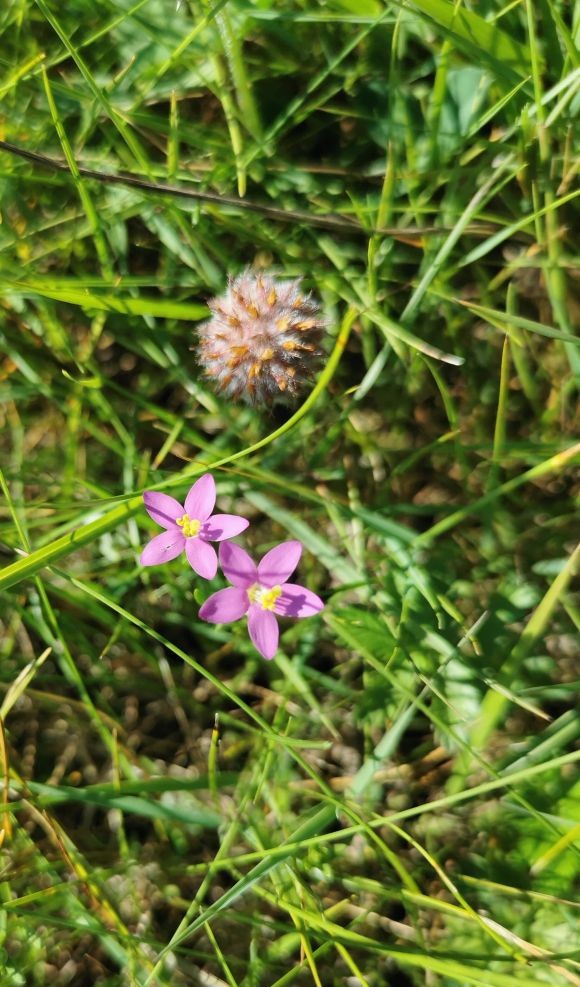
The delicate Centaury herb is listed as critically endangered on Mecklenburg-Western Pomerania’s Red List and has been recorded in our salt marsh habitat. © Prof. Dr. Irmgard Blindow
Rare salt-tolerant plants and valuable habitats: a species survey confirms the importance of our salt marsh plot on Hiddensee.
A recent survey of plant species on our property on Hiddensee has impressively confirmed the high ecological value of the newly acquired land. In addition to numerous typical salt marsh species, several endangered plant species listed on the Mecklenburg-Western Pomerania Red List (RL M-V) were recorded.
Particularly noteworthy is the presence of several plant species associated with the ‘inland salt marshes’ habitat type (FFH habitat type 1340), which is protected throughout Europe. The unusual combination of wet meadow and salt marsh vegetation highlights the special ecological value of this rare biotope.
In addition, several endangered plant species listed on the Mecklenburg-Western Pomerania Red List have been recorded on our site. Notable flora sightings include, amongst others, Meadow Fleabane, Sea Centaury and Lesser Centaury. In addition, numerous butterfly species and other pollinating insects have been observed that use the diverse plant life as a habitat and food source.
The study also confirms the importance of adaptive land management. Extensive grazing and natural soil disturbance caused by root-digging wild boar repeatedly create areas with sparse vegetation, where less competitive, salt-tolerant plants can thrive over the long term. Without this natural dynamic, low-diversity reed stands would spread across our salt marsh area in the long run.
The latest results clearly demonstrate that the long-term conservation and professional maintenance of our newly acquired plot of land on Hiddensee are paying off.
We want to thank Prof. Dr Irmgard Blindow of the Hiddensee Biological Station, University of Greifswald, Kloster, for carrying out the species survey on 23.07.2026 on a voluntary basis.
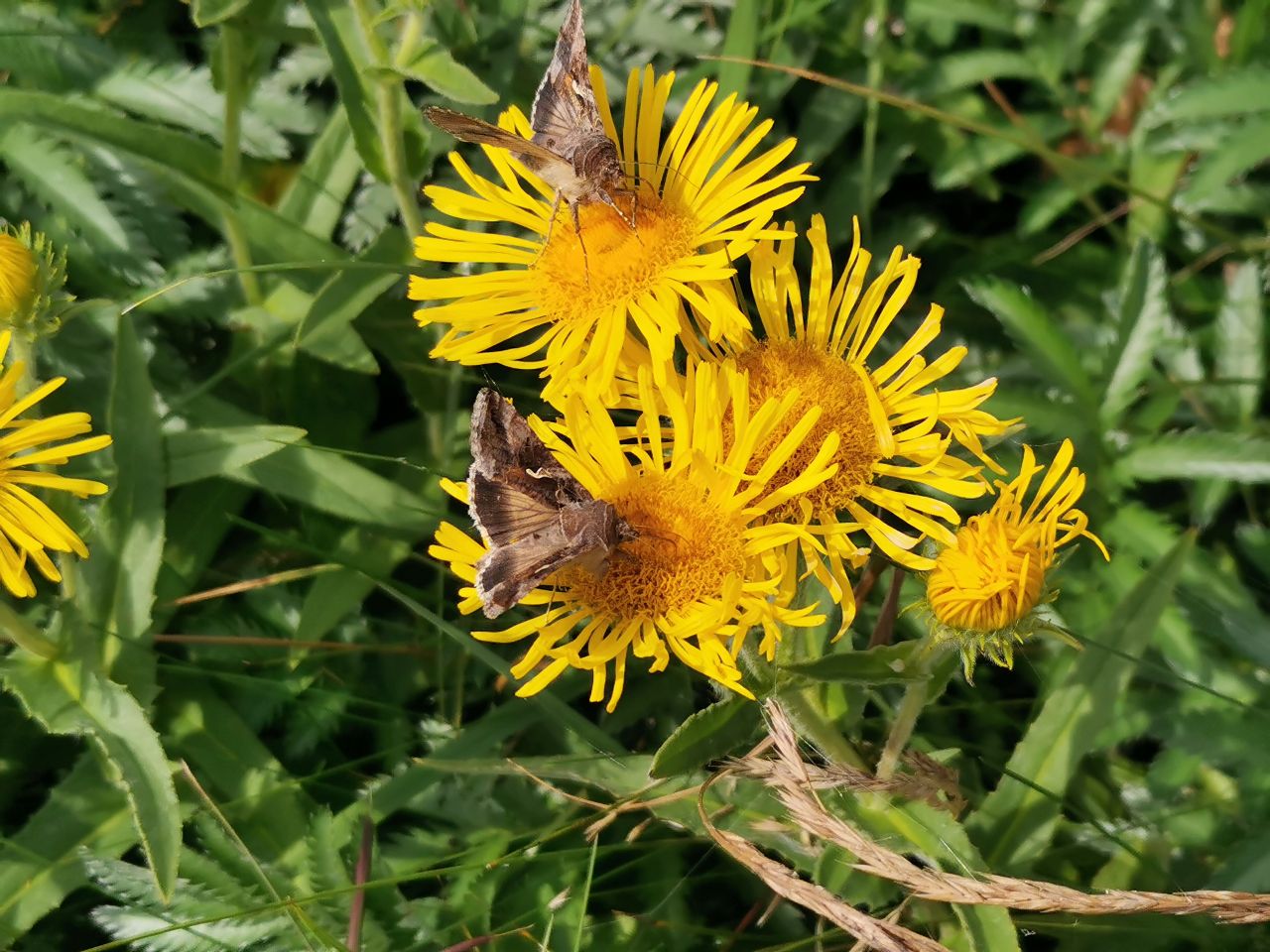
Meadow Fleabane provides a valuable food source for butterfly species such as the Silver Y and numerous other insect species. © Prof. Dr. Irmgard Blindow
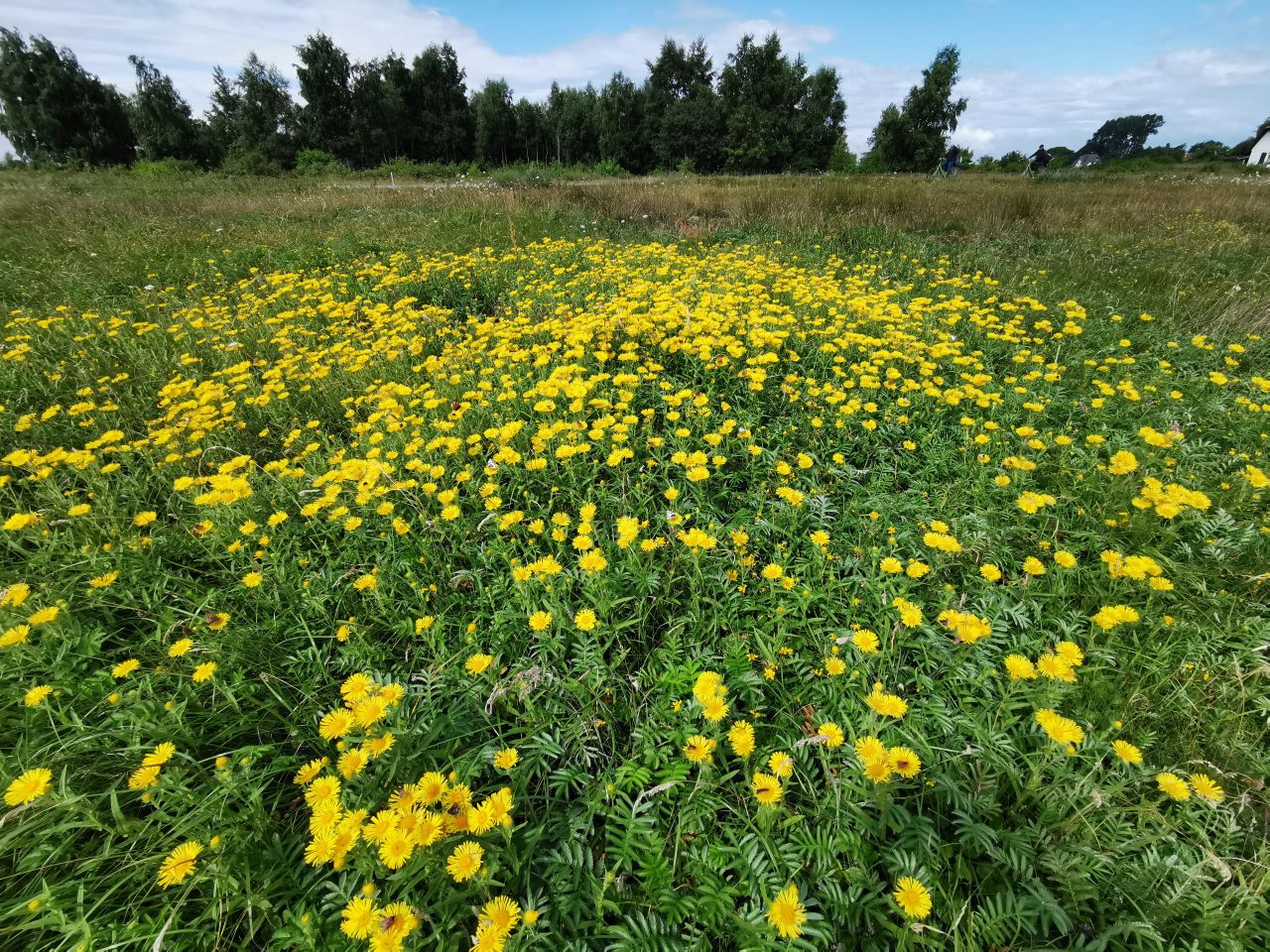
Großflächige Bestände des Wiesen-Alants prägen Teile unseres Schutzwiesengrundstücks auf Hiddensee © Prof. Dr. Irmgard Blindow
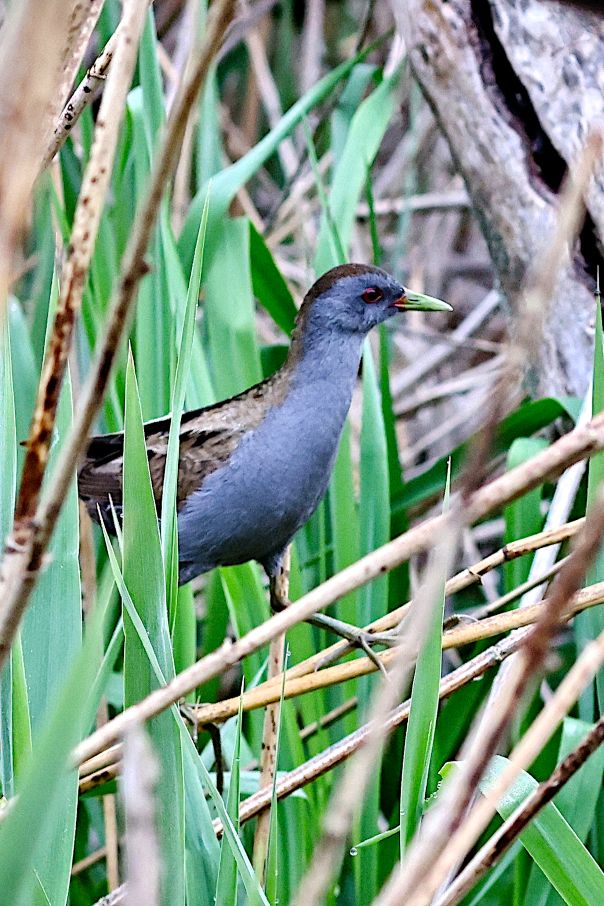
The endangered Little Crake also finds the best possible habitat in our Frose wetland © Uwe Nielitz
Ongoing site management, including biotope optimisation and maintenance measures in the Frose wetland, is key to maximising biodiversity among birds, amphibians and dragonflies.
Recording the species of birds resting, breeding and roosting, and looking after visitors to our birdwatching tower were the main focuses of our site manager’s work in the spring and early summer.
His regular monitoring of the area has yielded numerous encouraging results. For example, no fewer than five pairs of Western Marsh Harriers have established their territories in the wetland, Bearded Reedlings have bred successfully, and Great Bitterns have also been observed on their foraging flights.
The breeding season was less successful for the Common Crane population, as its chicks unfortunately did not survive this year. Predators such as wild boar, raccoons and foxes regularly scour large areas of the reed beds in search of food.
During their moulting season, around 300 Greylag Geese used the wetland as a secure and well-protected refuge.
As early as spring, several species of duck, several Savi's warblers and also Bluethroats were recorded. Our birdwatching tower remains a major attraction for nature lovers, birdwatchers and bird photographers alike.
As the breeding season draws to a close, work begins on controlling neophytes – invasive alien plant species such as ‘Canadian Goldenrod’ and ‘Giant Hogweed’.
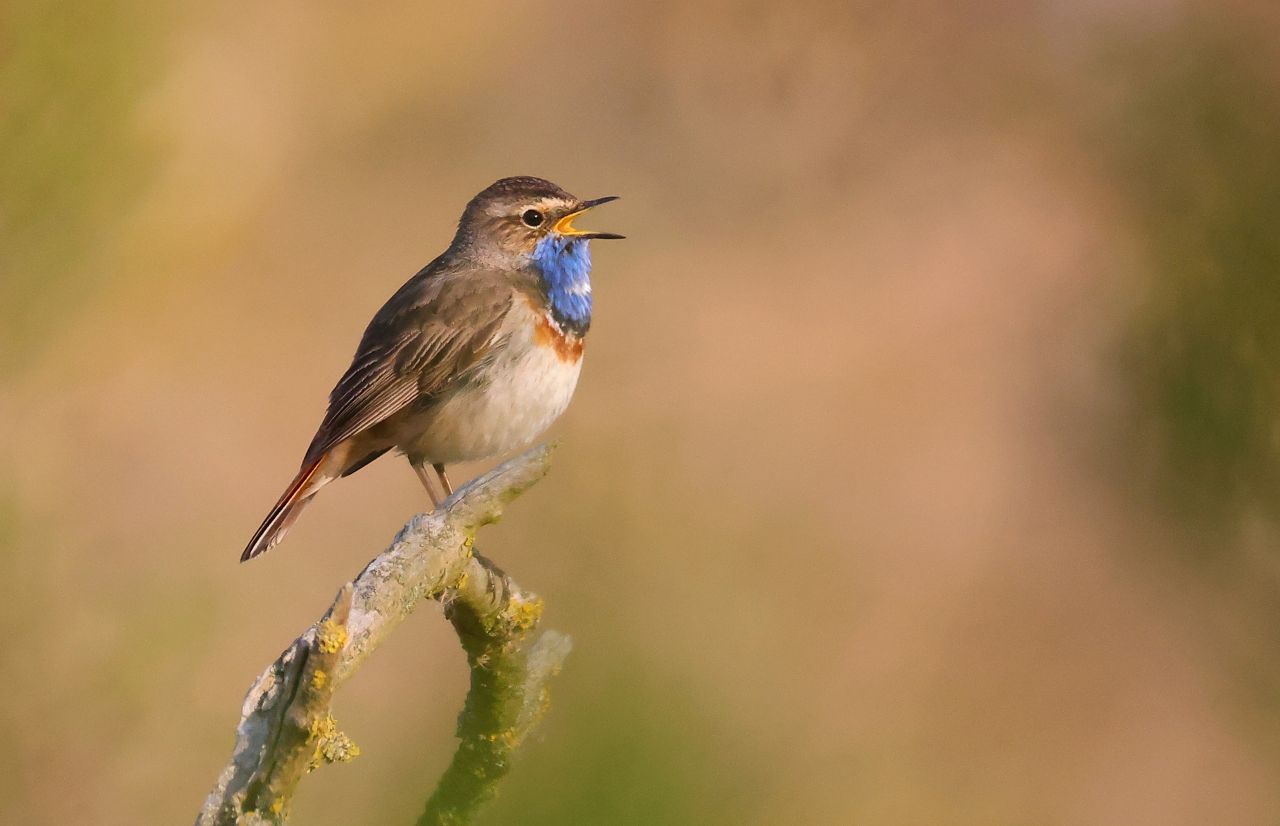
The Bluethroat is one of the characteristic breeding bird species in our Froser wetland © SPA
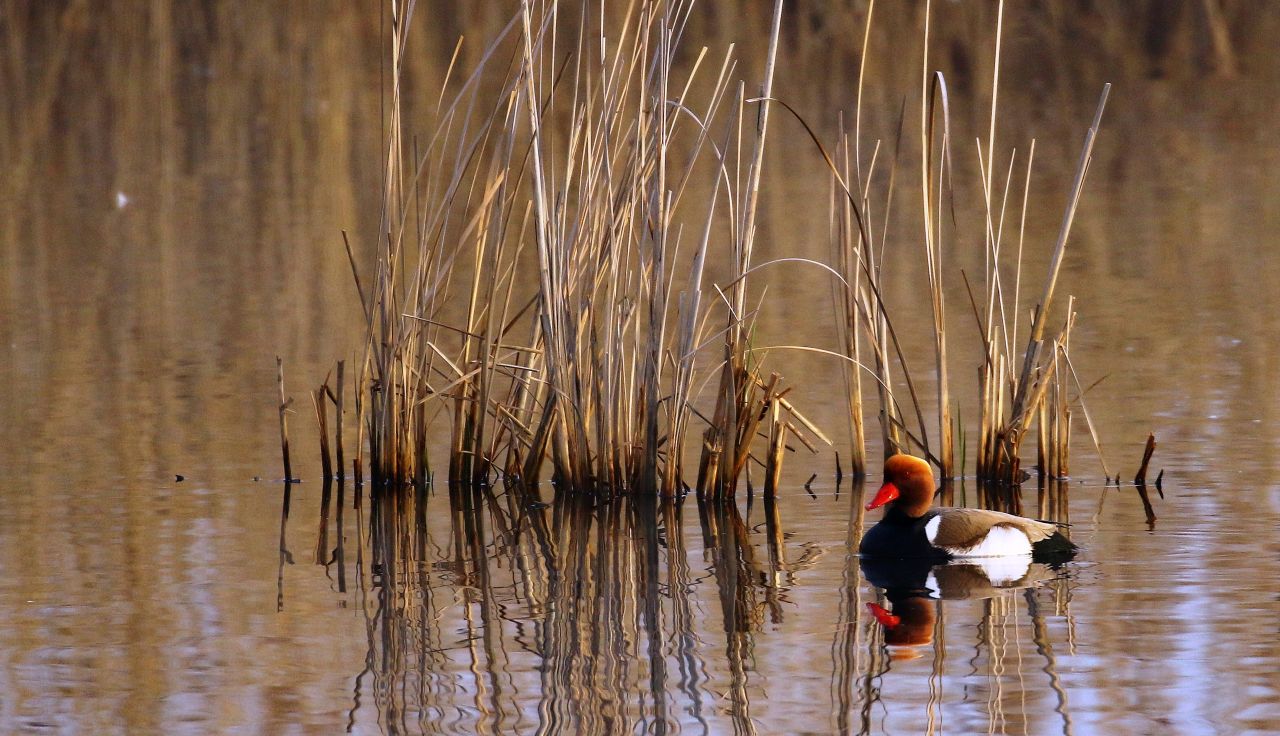
Our wetland, the ‘Seeländereien bei Frose’, is developing into an impressive habitat, resting place and wintering ground for Red-crested Pochard as well as for more than 200 other bird species © Uwe Nielitz
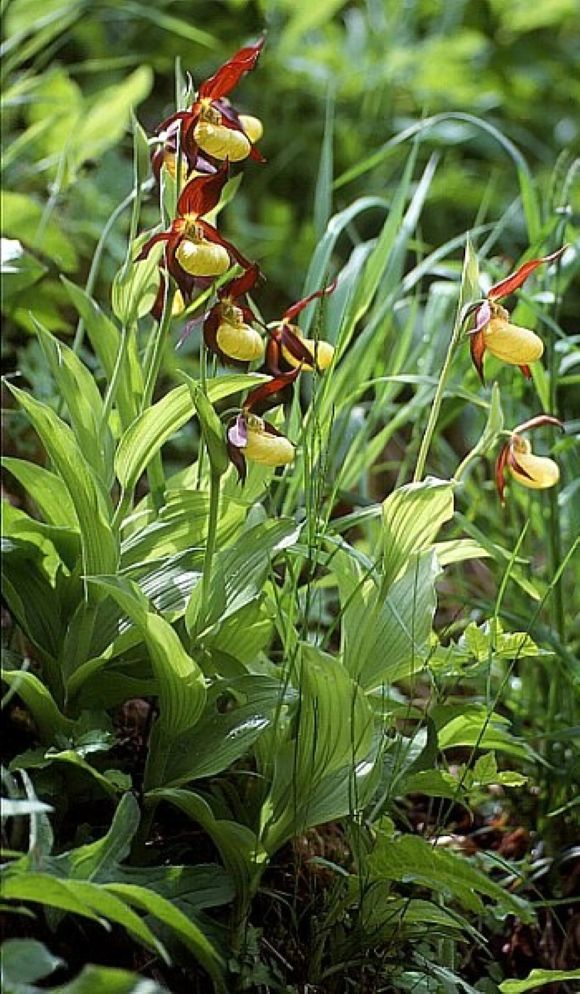
Lady’s Slipper orchids © wikimedia.org
In 2022, with financial support from long-standing donors, our Foundation purchased a plot of hillside spring fen land covering approximately 0.7 hectares in the Ammergau Alps near Bad Kohlgrub, to protect the gentian, orchid and wild bee populations found there.
The Lady's Slipper that grows on our plot is a fairly long-lived species of orchid and, at 20–60 cm in height, is also the largest native orchid species. It has red to dark brown petals and a bright yellow ‘slipper’. This is what gave the orchid its German name. The plant is strictly dependent on calcareous soil.
The self-sterile Lady's Slipper relies almost exclusively on the mining bee of the genus Andrena for pollination. This species of bee requires habitats with sparse vegetation consisting of sand, sandy loam or silt, located no more than 500 metres from where the Lady's Slipper grows!
The greatest threat to this rare and (as yet) healthy Lady's Slipper population on our Foundation's property in the Ammergau Alps is the well-trodden path that has now developed there and the trampling caused by nature lovers interested in orchids, with the resulting damage to the roots. In the long term, this could have dramatically negative consequences for the vitality and future of this orchid site, which is home to up to 200 Lady's Slipper plants.
We will therefore be working with the relevant nature conservation authority and the Ammergau Alps Nature Park Association (Naturpark Ammergauer Alpen e. V.) to agree on specific measures in the near future to effectively protect our land and the valuable Lady's Slipper orchid population and will then implement these measures consistently.
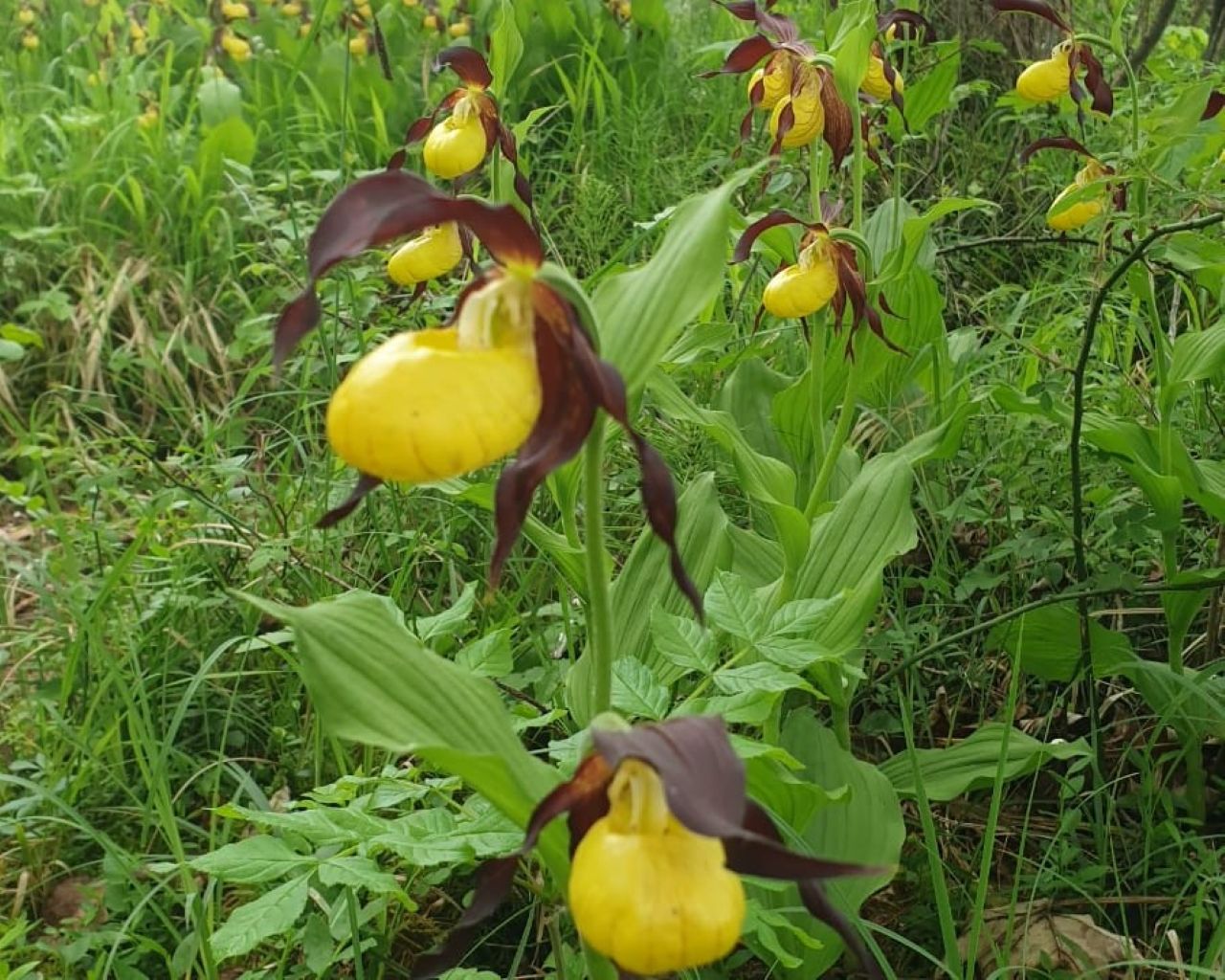
Lady’s Slipper orchids on our foundation’s property © K. Pukall
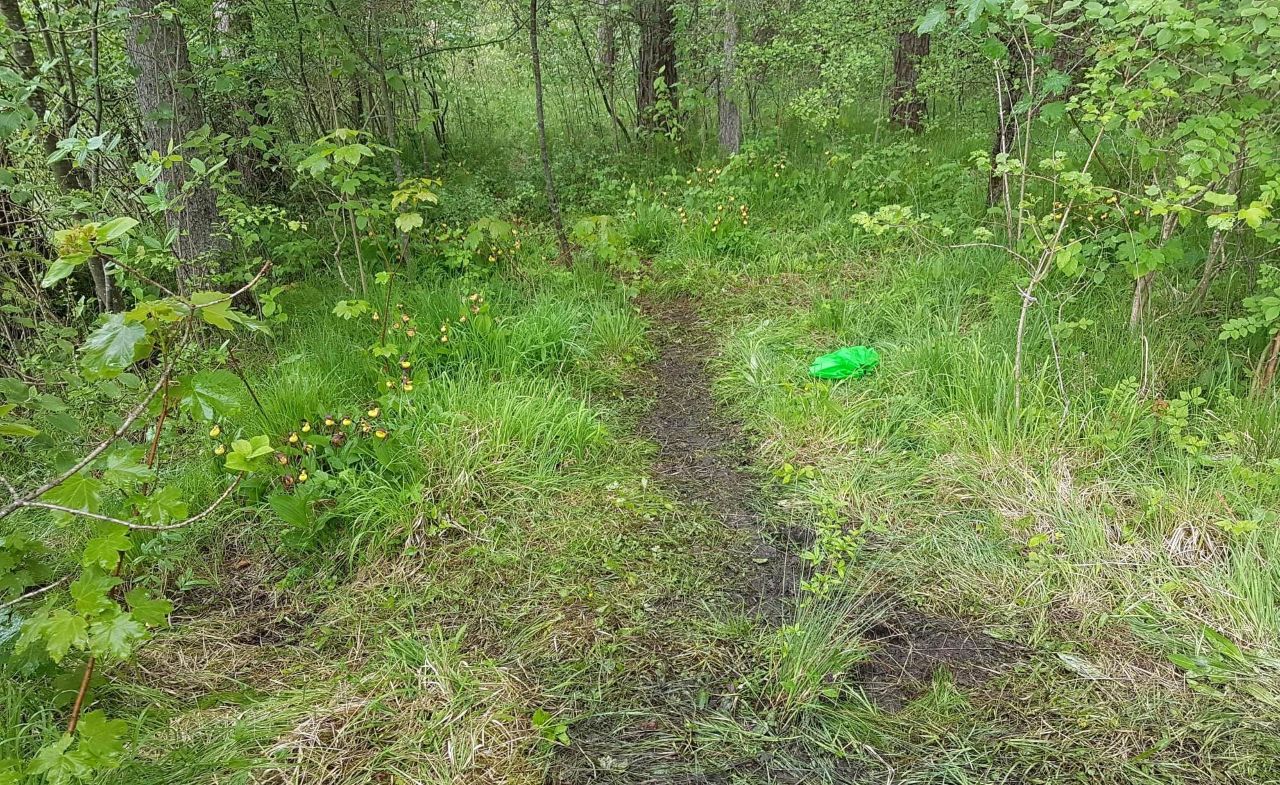
A destructive trail through the Lady's Slipper population © M. Renz
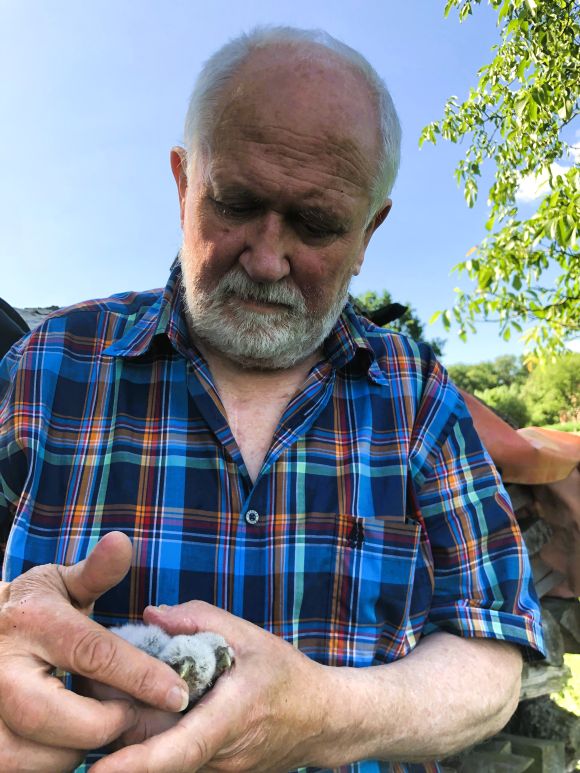
A Little Owl chick briefly removed from a nesting tube for monitoring purposes © SPA
Nine Little Owl chicks and several successful broods: our Little Owl conservation project is yielding encouraging results …
During this year’s Little Owl monitoring programme in the Paderborn District, our Little Owl conservation project manager made several encouraging observations. A total of five adult birds and nine Little Owl chicks were recorded in the nesting tubes we had installed. Our staff have never before documented so many Little Owls in the Paderborn region in a single day’s work.
The results confirm the success of our conservation work. Many of the Little Owl nesting boxes installed by the Foundation Pro Biodiversity since 2019 have already been taken up during the first breeding season – a clear indication that suitable nesting and breeding sites remain in short supply and that it makes sense to install more Little Owl nesting boxes in suitable locations.
The Little Owl chicks recorded in mid-June 2026 provided some interesting insights: experience suggests that young birds should already be fledged by mid-June, yet this year many of the chicks found were still covered in soft down. We suspect that the comparatively cool spring and the resulting food shortage delayed the start of breeding. The supply of mice now found in the nesting tubes and the excellent condition of both the adult and young owls suggest that food is currently plentiful.
The success of this monitoring programme once again demonstrates how important it is to combine nature-friendly habitat management, expert site selection, and regular checks of the nest boxes. Every successful record of breeding encourages us to continue our targeted efforts to support the Little Owl as a characteristic species of the pollarded tree and orchard meadow landscape in East Westphalia, with a view to further strengthening the Little Owl population.
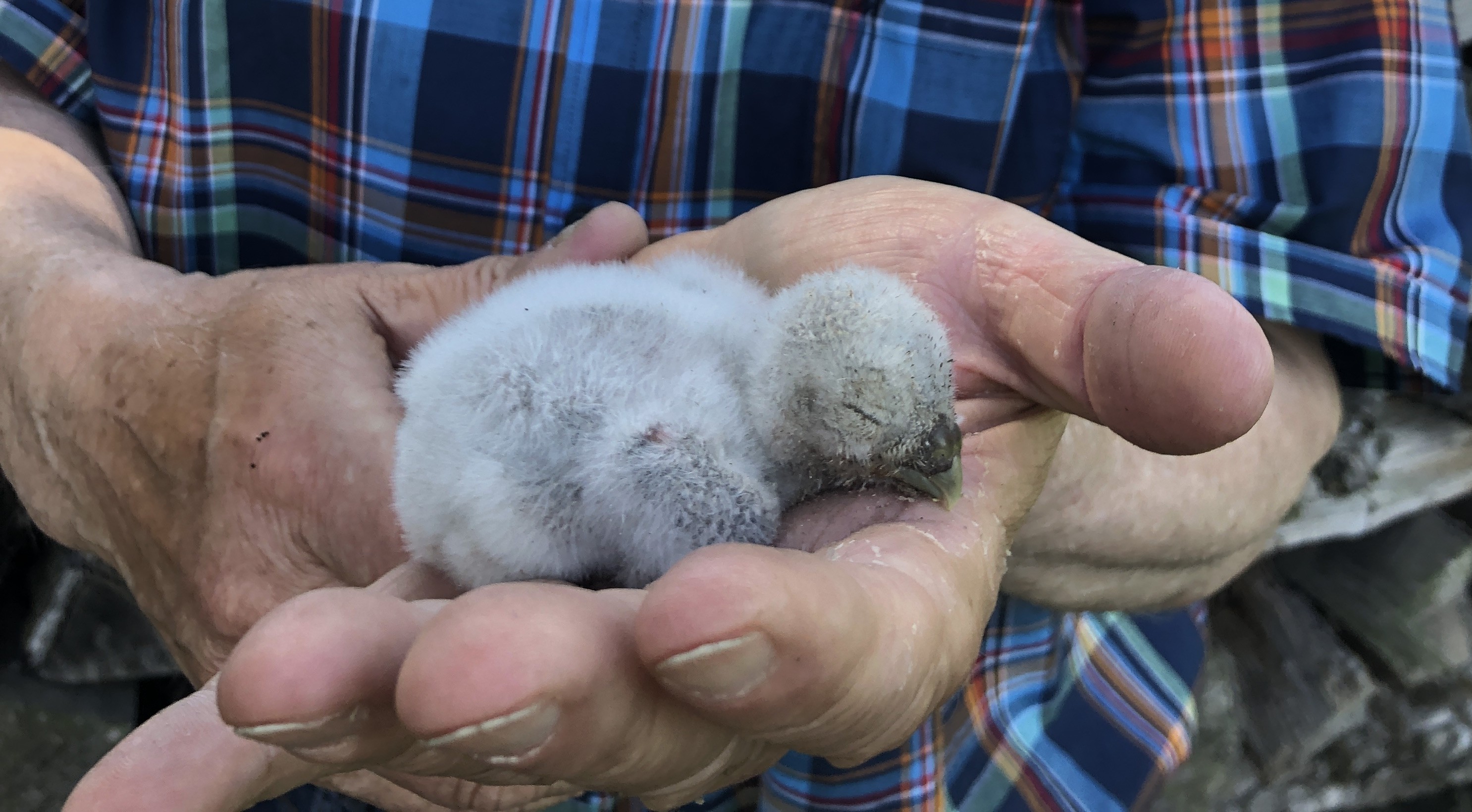
A Little Owl chick temporarily removed from its nest box whilst it was being cleaned – further evidence of breeding in one of our nest boxes © SPA
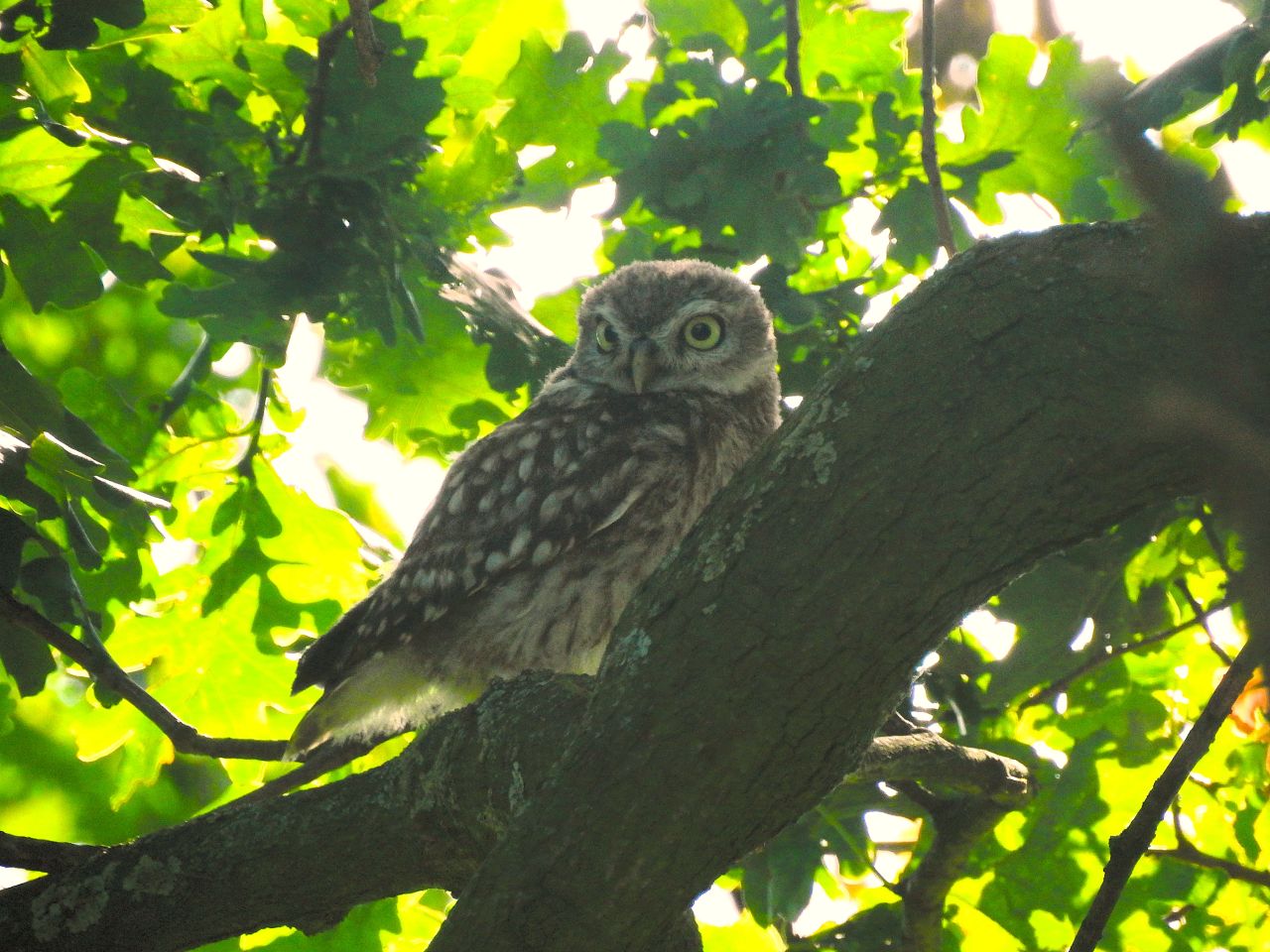
Little Owl in an old farmyard oak in the Paderborn District © SPA
Just 30 years ago, Great Egrets were an absolute rarity in Germany. Today, they are a familiar sight in many places. The story of Egret K195 is particularly remarkable: since 2018, it has been turning up time and again in our Frose nature reserve during the summer... more information

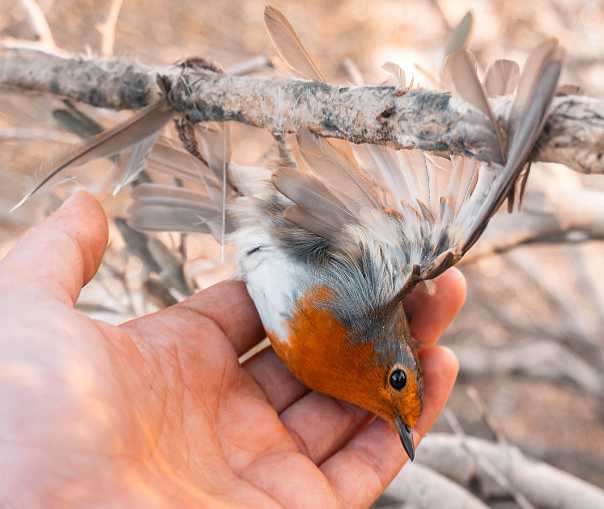
Following the successful spring bird conservation camps on Cyprus and the Greek island of Zakynthos, our local bird conservationists in Cyprus are once again standing up to the illegal operations of bird poachers and hunters. Yet again, we need your active support so that we can continue our campaign against the slaughter of migratory birds this autumn ... to the project
Postbank Hannover IBAN: DE47 2501 0030 0905 9063 07 BIC: PBNKDEFF
Stiftung Pro Artenvielfalt Meisenstraße 65 33607 Bielefeld Germany Tel. (0049) 0521 2997-883 / -884 / -889 Fax (0049) 0521 2997-885 Office Mo - Fr. 09.00 to 16.00
Foundation Management team@stiftung-pro-artenvielfalt.org Project Management projekte@stiftung-pro-artenvielfalt.org Donations, Donor Care service@stiftung-pro-artenvielfalt.org
 Donate now